Home » Julia Louis-Dreyfus Cosmetic Surgery: Natural Aging or Subtle Enhancements?
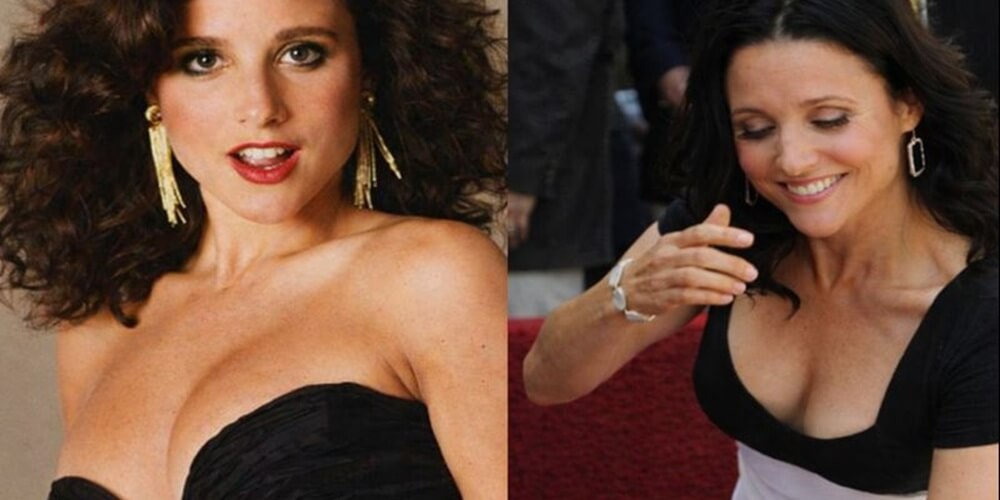
Julia Louis-Dreyfus has spent decades in the spotlight—and unlike many celebrities whose appearances seem to shift overnight, her look has changed in a way that feels gradual, familiar, and age-appropriate. That’s exactly why the internet keeps asking the same broad question: Julia Louis-Dreyfus cosmetic surgery—natural aging or subtle enhancements?
Search trends around Julia Louis-Dreyfus before and after, Julia Louis-Dreyfus plastic surgery rumors, Julia Louis-Dreyfus fillers, and Julia Louis-Dreyfus facial changes often spike whenever she appears at awards events, premieres, or interviews. But celebrity “before and after” conversations are usually built on assumptions—often ignoring the biggest contributors to appearance changes: time, lighting, styling, skincare, and normal facial aging.
This article takes an educational, medically grounded approach—covering what people speculate about, what’s biologically plausible, what’s not supported, and how modern aesthetic care can subtly “refresh” a face without changing identity.
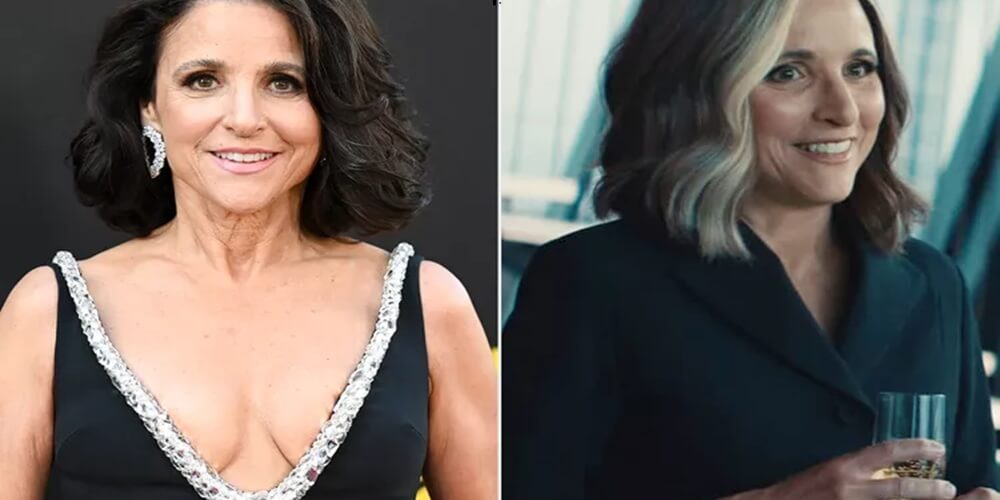
When viewers compare Julia Louis-Dreyfus before and after images—from her Seinfeld era through The New Adventures of Old Christine, then Veep, and into recent red-carpet appearances—common observations include:
These are the exact qualities that can trigger plastic surgery rumors—but they can also be explained by non-surgical treatments, professional makeup, and strong skincare practices, which are extremely common in entertainment.
Crucially: Julia Louis-Dreyfus has not publicly confirmed cosmetic surgery. Without confirmation, all procedure claims remain speculation.
Before diving into Julia Louis-Dreyfus’ plastic surgery rumors, it helps to understand what facial aging typically involves. Most “changes” people notice are not about one specific feature—they’re about shifts across several layers:
In other words, “before and after” comparisons often exaggerate normal changes because they compress decades of aging into a single scroll.
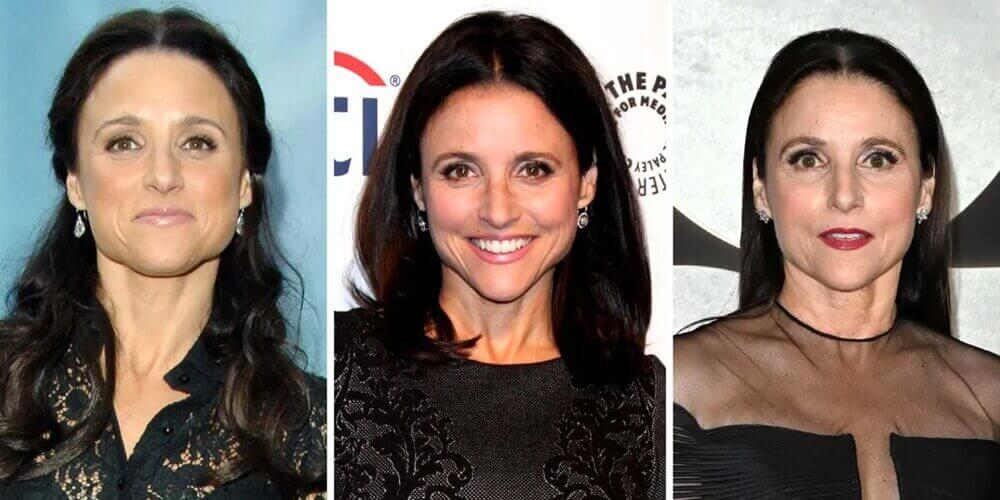
When people search Julia Louis-Dreyfus plastic surgery, they’re typically trying to make sense of a few visual cues:
But here’s what’s important: these observations don’t automatically equal surgery.
Modern aesthetics increasingly focuses on:
This is exactly why many celebrities look “refreshed” without looking “done.”
One of the most searched terms is Julia Louis-Dreyfus fillers, so let’s address it carefully.
Dermal fillers—typically hyaluronic acid-based—can be used subtly to:
When done well, the effect is not “bigger cheeks.” It’s more like:
People often assume any “fullness” is filler, but overfilled faces usually show:
Julia Louis-Dreyfus, in most public appearances, maintains natural expression and recognizable facial structure, which—if fillers were used—would suggest very conservative placement or periodic maintenance rather than heavy enhancement.
It’s also possible that what looks like filler is simply:
If there’s one aesthetic treatment that often fuels “she doesn’t age” rumors, it’s neuromodulators like Botox.
Forehead smoothness, reduced crow’s feet, and a more relaxed brow can look like “surgery” to people who don’t know the difference.
Julia Louis-Dreyfus is known for expressive comedic performance, so if she uses neuromodulators, they would likely be:
Again: no confirmation—just a medically plausible explanation for what people notice.
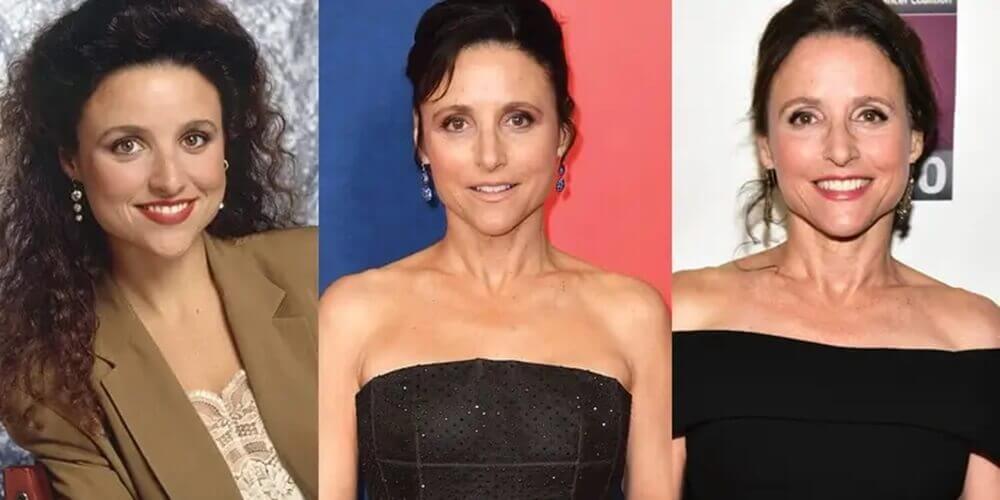
Let’s break down the common “facial change” zones fans talk about and what could explain them.
This is why it’s risky to make definitive claims based on photos—many factors create “lifted” looks without surgery.
A facelift is one of the most commonly guessed procedures for celebrities over 50, so it’s worth explaining what professionals typically look for.
Signs that often suggest a facelift (in general)
Julia Louis-Dreyfus generally doesn’t present with a consistently “tight” or surgically altered appearance. Her look remains soft, expressive, and natural.
That doesn’t prove anything—but it makes major surgical claims harder to support.
One reason people think someone has had surgery is skin quality—not facial shape.
Healthy, luminous skin can come from:
These don’t “change” your face—but they can dramatically change how youthful it looks in high-definition cameras.
Before attributing changes to Julia Louis-Dreyfus’s cosmetic surgery, consider the power of:
Even small changes—like where blush is placed—can shift a face from “tired” to “lifted” in photos.
That’s why celebrity comparisons are often misleading.
Myth 1: “If she looks younger, it must be surgery.”
Skincare, dermatology, styling, and subtle non-surgical treatments can create major visible differences.
Myth 2: “Before and after photos prove everything.”
Lighting, expression, and angles can change facial perception more than people realize.
Myth 3: “Fillers always look obvious.”
The best filler work often looks like “nothing happened”—just smoother transitions and better harmony.
Myth 4: “Natural aging means letting yourself go.”
Natural aging can still include high-level skincare, sun protection, wellness, and conservative aesthetic maintenance.
Myth 5: “All celebrities do the same procedures.”
Some choose none, others choose subtle non-invasive care, and a smaller group chooses surgery. There’s no universal path.
“Most celebrity ‘surgery rumors’ come from the public noticing improved skin quality, softened lines, or gentle facial support—results that can be achieved without surgery,” says a Zaren Health aesthetic specialist.
“Modern aesthetic medicine is about preserving identity. The best work doesn’t announce itself—it simply makes someone look well-rested, healthier, and naturally refreshed.”
“Photos aren’t medical proof. Lighting, styling, and even hydration can change how the face reads on camera. That’s why we encourage people to focus less on celebrity speculation and more on safe, personalized options.”
Searches for Julia Louis-Dreyfus natural aging are popular because many viewers feel she represents something refreshing in Hollywood: a celebrity who still looks like herself.
She continues to show:
Whether she’s had zero treatments or minimal maintenance, her appearance reflects a balance that many people want: refined, not rebuilt.
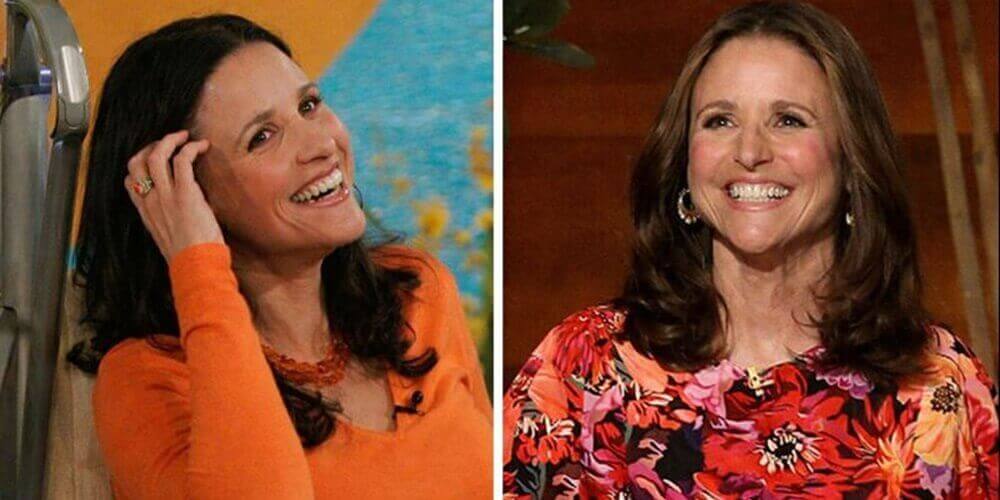
When people say “subtle enhancements,” they usually mean low-commitment treatments like:
This approach aligns with modern aesthetic philosophy: prevent, maintain, and enhance—without dramatic change.
There is no confirmed public statement or reliable evidence that she has undergone cosmetic surgery. Most observed changes can be explained by natural aging and non-surgical maintenance.
There is no confirmation. If fillers were used, they appear subtle and conservative, as she retains natural expression and facial proportions.
Likely a combination of genetics, skincare, professional styling, and possible non-invasive aesthetic treatments. Many people underestimate how powerful skin quality and lighting are.
Yes—but the changes appear gradual and consistent with normal aging over decades, not a sudden transformation.
Professional skincare, dermatology care, SPF, and non-surgical treatments like peels, lasers, and microneedling can significantly improve skin texture and tone.
Usually not. Most rumors are based on selective photos and ignore confounding factors like makeup, angles, editing, and natural aging.
The internet may continue to debate Julia Louis-Dreyfus cosmetic surgery, but the most accurate takeaway is this:
At Zaren Health, we believe the best results—celebrity or not—are the ones that respect individuality. Whether someone chooses natural aging, subtle enhancements, or a more involved approach, the goal should always be the same: confidence, safety, and a result that still feels like you.
At Zaren Clinic, we go beyond speculation and surface-level beauty trends to provide medically grounded, transparent, and informative content about plastic procedures, aesthetic treatments, and natural aging. Whether the topic explores celebrity transformation rumors, non-surgical enhancements, or surgical procedures such as breast reduction, facelifts, or dermal fillers, our approach remains the same: evidence-based clarity over sensationalism.
Our content is designed to answer the questions people are actually searching for — from “before and after” comparisons to detailed explanations of how fillers, Botox, skin rejuvenation treatments, and surgical procedures truly work. We analyze aesthetic topics with a balanced medical perspective, separating myths from facts while helping readers understand what is realistically possible in modern aesthetic medicine.
Zaren Health focuses on:
Our mission is not to promote unrealistic beauty standards, but to empower readers with knowledge. Every face is unique, every body evolves naturally over time, and aesthetic medicine—when done correctly—should enhance confidence without compromising authenticity.
Whether the discussion centers on facial changes, body transformation, or modern injectable treatments, Zaren Health remains committed to ethical information, professional insight, and results that prioritize harmony and natural expression.