Home » Lili Reinhart Reveals Endometriosis Diagnosis: What Is This Disease?

Actress Lili Reinhart, best known for her role as Betty Cooper in Riverdale, has openly shared her health journey, including her experience with endometriosis. Her transparency has significantly contributed to endometriosis awareness, encouraging millions of young women to better understand their bodies and seek medical support when needed.
Searches for Lili Reinhart endometriosis, Lili Reinhart endometriosis diagnosis, and Lili Reinhart health condition have increased as fans seek clarity about what this disease is, how it affects daily life, and how she manages her health while maintaining a demanding career.
This article explores everything you need to know—from her diagnosis timeline to the medical definition of endometriosis, common symptoms, treatment options, and how she continues to prioritize wellness.
Lili Reinhart publicly revealed her endometriosis diagnosis in 2022, sharing details on social media about her struggle with painful symptoms and the emotional relief of finally receiving answers.
Like many women, her journey to diagnosis was not immediate. Endometriosis is often misdiagnosed or overlooked, with studies showing that it can take 7–10 years on average for patients to receive a confirmed diagnosis.
By speaking openly about her experience, Reinhart highlighted a critical issue: many women normalize severe menstrual pain when it may indicate a deeper medical condition.
Her announcement helped shine a spotlight on:
Her openness has played an important role in advancing endometriosis awareness globally.
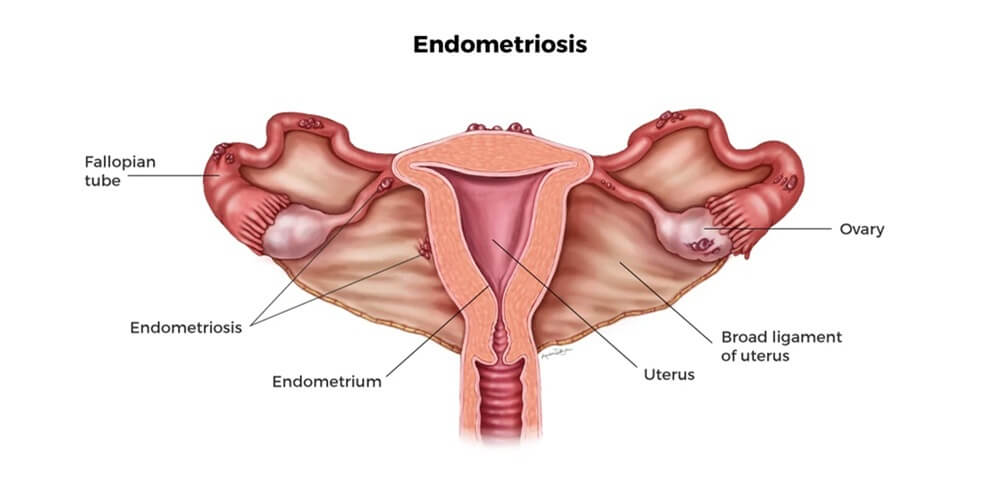
To understand Lili Reinhart endometriosis, we first need to answer a key question: What is endometriosis?
Endometriosis is a chronic condition where tissue similar to the lining of the uterus (endometrium) grows outside the uterus. This tissue can attach to:
Unlike normal uterine lining, this misplaced tissue has no way to exit the body during menstruation. This can cause:
Endometriosis is not just “bad cramps.” It is a complex inflammatory condition that can significantly affect physical and emotional well-being.
While Lili Reinhart has not disclosed every medical detail, she has referenced experiencing significant pain and hormonal struggles.
Common endometriosis symptoms include:
Symptoms vary widely. Some women experience mild discomfort, while others face debilitating pain that interferes with work, school, and relationships.
Living with endometriosis can affect nearly every aspect of daily life. For someone like Lili Reinhart—working long hours on set, traveling, attending press events—the condition can be especially challenging.
Physical Impact
Chronic pain can:
Emotional Impact
Chronic conditions often bring:
Reinhart’s openness has helped normalize conversations about menstrual health and invisible conditions. By speaking out, she has encouraged women to advocate for themselves medically.
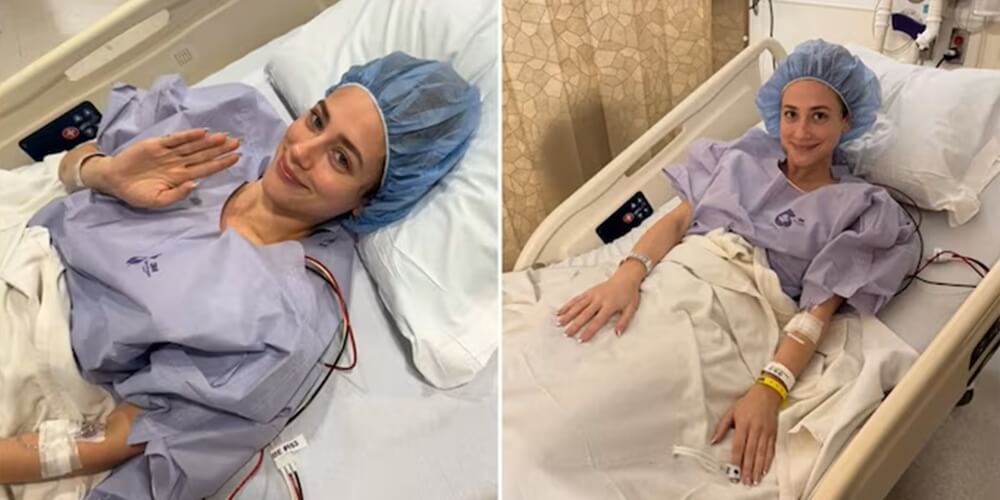
Lili Reinhart has indicated that while endometriosis is a lifelong condition, she is actively managing her symptoms.
Endometriosis does not currently have a cure, but it can be managed with medical treatment, lifestyle adjustments, and ongoing care.
Management strategies may include:
While Reinhart has not detailed her full treatment plan, her public presence suggests that she continues to prioritize her health while maintaining a successful career.
One reason Lili Reinhart endometriosis diagnosis resonated with many women is because diagnosis can be difficult.
Diagnostic Process May Include:
Laparoscopy is a minimally invasive surgical procedure that allows doctors to directly view and potentially remove endometrial lesions.
Early diagnosis is key to reducing long-term complications.

Being diagnosed with endometriosis can be life-altering, both physically and emotionally. For Lili Reinhart, openly discussing her endometriosis diagnosis marked a turning point—not just in her health journey, but in how she approaches her career, self-care, and public platform.
After revealing her Lili Reinhart endometriosis diagnosis, she emphasized the importance of listening to her body. Chronic pain conditions often require:
For someone working in the entertainment industry—where long filming hours and travel are common—this likely required greater boundaries and health advocacy.
One of the most impactful changes has been her role in raising endometriosis awareness. By sharing her story, she helped normalize conversations around:
Her openness has empowered many women who previously dismissed their symptoms as “normal.”
Chronic conditions like endometriosis often push individuals to develop stronger self-awareness. For Lili Reinhart, managing her health condition may have reinforced:
Living with endometriosis can require resilience. Pain flare-ups are unpredictable, and the condition can affect energy levels, mood, and confidence. Speaking about it publicly suggests a shift toward authenticity rather than perfection.
Her experience has also reframed public perceptions of strength. Instead of presenting an image of effortless wellness, Reinhart has shown that beauty and success can coexist with vulnerability.
Managing endometriosis symptoms while continuing a demanding acting career demonstrates that chronic illness does not define someone’s identity—it becomes one part of a larger, balanced life.
Endometriosis is typically a lifelong condition. While treatments can manage symptoms, ongoing care is essential. This likely means that Lili Reinhart continues to:
Her journey reflects what many women experience: learning to live with endometriosis rather than letting it take control.

Beyond the physical pain, one of the most challenging aspects of living with endometriosis is the psychological toll it can take. Chronic conditions like this do not only affect the body—they can deeply influence emotional well-being, self-image, and daily mental resilience.
For Lili Reinhart, openly discussing her endometriosis diagnosis also highlights an often-overlooked reality: invisible illnesses can feel isolating. When symptoms are not outwardly visible, individuals may struggle with:
Studies show that women with endometriosis have higher rates of anxiety and depression, largely due to ongoing pain, hormonal fluctuations, and the uncertainty surrounding symptom management.
For someone in the public eye, like Reinhart, maintaining performance expectations while managing a chronic health condition may require additional emotional strength. The entertainment industry often demands long hours, public appearances, and physical stamina—factors that can intensify stress levels.
However, her willingness to speak about her experience reflects psychological growth and empowerment. Acknowledging chronic illness publicly can:
Ultimately, the psychological impact of endometriosis underscores the importance of holistic treatment—addressing not just physical symptoms but also emotional well-being. Balanced care often includes therapy, stress reduction techniques, supportive relationships, and self-compassion.
By sharing her story, Lili Reinhart contributes not only to endometriosis awareness, but also to broader conversations about mental health and resilience in the face of chronic illness.
Living with endometriosis requires a multi-layered approach. Many patients benefit from combining medical care with holistic strategies.
Support networks and mental health care are equally important, as chronic pain conditions can impact emotional well-being.
There is no one-size-fits-all solution. Endometriosis treatment options depend on symptom severity, age, fertility goals, and overall health.
NSAIDs
Prescription pain medications
Birth control pills
Progestin therapy
GnRH agonists
Laparoscopic excision or ablation
Removal of scar tissue
In severe cases, hysterectomy (rare and last resort)
The goal is symptom relief and improved quality of life.

Endometriosis is a chronic condition where tissue similar to the uterine lining grows outside the uterus, causing pain and inflammation.
She publicly revealed her diagnosis in 2022.
Severe menstrual cramps, pelvic pain, fatigue, bloating, and heavy periods are among the most common symptoms.
There is currently no cure, but symptoms can be managed effectively with treatment.
Yes. With proper treatment and lifestyle management, many women maintain active, successful lives.
Despite managing a chronic condition, Lili Reinhart continues to radiate confidence and natural beauty. While there is no “secret formula,” her glow likely stems from:
True beauty often reflects overall wellness—and speaking openly about health challenges can be one of the most empowering choices a public figure makes.
The conversation around Lili Reinhart endometriosis goes beyond celebrity news. It highlights a global health issue affecting millions of women.
Her willingness to discuss her diagnosis has:
Endometriosis is real, complex, and often misunderstood—but with proper care, education, and support, women can manage it effectively and continue thriving.