Home » Dental Implant Turkey: Natural-Looking Tooth Replacement
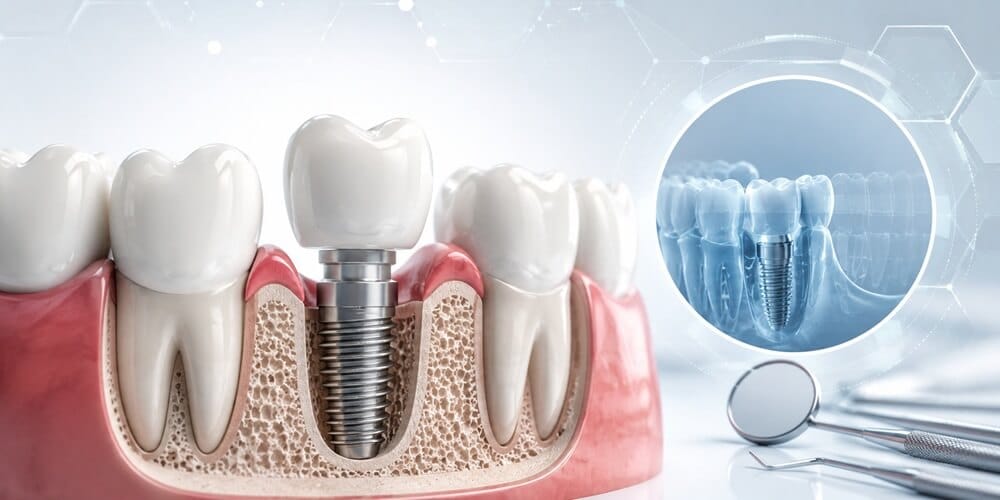
Dental implants in Turkey consist of biocompatible titanium or zirconium fixtures embedded in the jawbone to replace missing teeth. These artificial tooth roots are integrated into the bone using a process called osseointegration. Implants are critical in reconstructive surgery, as they present a long-term alternative to conventional prostheses for people with partial or total edentulism.
Engineering developments in implant surface topography, titanium alloy composition, biomimetic coating, and insertion planning and positioning allow significant enhancements in supracrestal bone preservation and implant longevity. Despite their extensive use, demand for dental implants in Turkey is increasing. Fewer than one in ten tooth loss cases are treated with an implant-supported crown. The rates are lower among patients undergoing orthodontic treatment. Concerns limiting wider acceptance include cost, fear of surgery, biological complications, potential failure, patient habits, systemic diseases, and poor mouth hygiene. Identifying patients with a missing tooth who desire an implant yet have not been referred is essential for maximizing the service’s value.
Dental implants in Turkey continue to grow in demand. Fewer than one in ten cases are treated with an implant-supported crown, and the rates are lower among individuals undergoing orthodontic work. Concerns that limit acceptance include the price, fear of surgery, biological complications, potential failure, patient habits, systemic diseases, and poor oral hygiene. The greatest treatment value arises when patients fitted with an acrylic denture on a closing arch reclaim their self-esteem.
Dental implants in Turkey are artificial substitutes for natural root structures that support and stabilize fixed or removable dental prostheses. The area of interest covers the surgical placement of titanium implant in the jawbone as replacements for missing teeth to support crowns, dental bridges, or overdentures. Osseointegration (the process of bone–augmenting bone density by enhancing the bone volume and bone density) must occur to ensure a clinical success rate of over 90% over 10 years. An insufficient bone volume and/or density compromises osseointegration and can lead to premature failure. Osseointegration may be enhanced through the use of special surface coatings and more recent materials, such as zirconium. Though single tooth implant remains the most frequent indication, the use of implants in complete edentulous patients has greatly increased. In the partially edentulous patient group, a screw-retained implant-supported fixed prosthesis is now considered the gold standard in terms of function, aesthetics, and hygiene.
Dental implants in Turkey have come a long way since their first introduction in 1965. A small nation in the eastern corner of Europe, Turkey is a country of great historical, cultural, and geological riches. Europe, Africa, and Asia meet together at the Bosporus Straits, via the ancient Silk Road trade route. Turkey enjoys a medley of different natural habitats, making it a first-class tourist venue for anyone seeking a mix of historical treasure and leisure holiday. Its nutrient-rich geographical environment means that it has always attracted large volumes of visitors from every corner of the world; it is one of the world’s top ten tourist destinations. Tourism is of great importance to the Turkish economy, and in order to maintain high profitability, health tourism (the provision of medical services to patients from overseas) has been emphasised as an increasingly lucrative, diverse, and attractive service, a process further stimulated by the relative low cost of medical services in Turkey when compared to developed countries. Dental implants in Turkey have developed into a leading industry over recent years, with high-quality treatment at affordable prices; however, patients must ensure that planned dental treatment is carried out correctly.
Dental implants have been reported in European literature since the early 1950s. The first modern titanium implant was placed in the mid–1960s by Brånemark and colleagues. A common historic benchmark is the publication of a two-year follow-up of 560 implants by Adell et al. More than 30 years later, it was reported that 93.6% of the same implants were still in place. Turkey has provided dental implants for several decades. A few clinics are ISO-certified, and some have accreditations from the Joint Commission International (JCI), which is well known among hospitals as an accreditation organization for international clinical quality. Exclusively oral-and-maxillofacial-surgery residency-trained clinicians and dentists who have completed lengthy fellowships perform implants in Turkey. A large percentage of implants in Turkey are placed in patients from other countries. Patients can come from Europe, North America, or Australia and receive bone grafting, tooth extractions, implants, prostheses, and any other required procedures in a one-to-three-week visit. Follow-up for complications can usually be performed close to patients’ home. Considering the rates charged and outcomes achieved, Turkey has become a popular location for patients seeking dental implants. A comparison of the prices charged for implants in Turkey and the USA indicates that the cost of implants in Turkey is generally about one-fourth of that in North America.
The majority of dental work to restore the teeth is completed in about nine days. Patients can stay for the entire time, or a staged approach can be followed, allowing for a more variable timeline for patients. The technology and materials used in Turkey are comparable to other parts of the world. A variety of implant brands are used, although some are implanted more frequently than others. These brands have a long-term history and an extensive follow-up. Implants are also placed in patients with rescinded teeth, but the available data are currently less robust. Positive bone augmentation results have been reported, with isolated reports of graft site infections, and surgical site necrosis following the use of beta-tricalcium phosphate has been described. Bone resorption over a 25–44-month follow-up period after the combined use of bovine bone and growth factors has been demonstrated. Such patients are considered highly challenging, but the outcomes suggest that tertiary-care center planning and support can mitigate complexity.
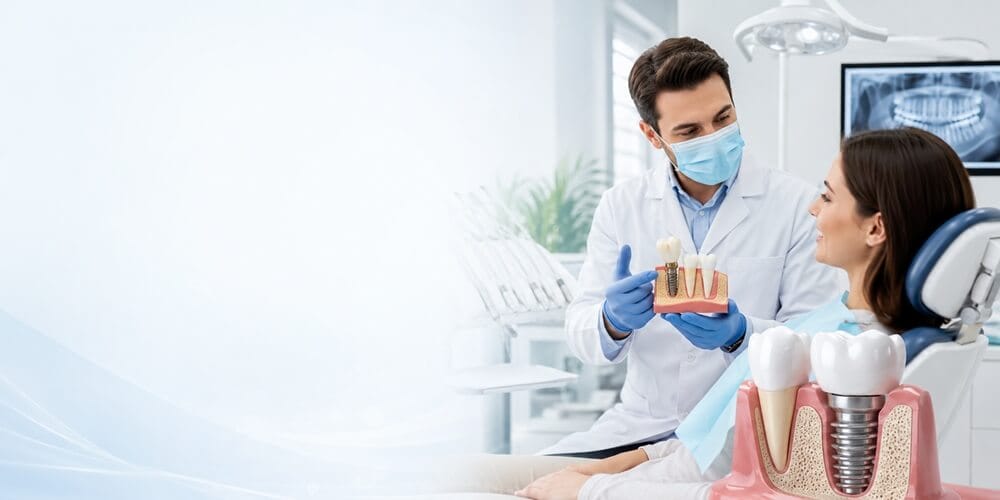
Clinical indications for implants extend beyond the simple replacement of a single missing tooth, as long as certain conditions are met. The patient must be able to undergo a surgical procedure, the presence of an adequate amount of bone must permit secure placement of the implant fixture, an implant brand associated with a documented and proven record of clinical success must be chosen, and the conditions for osseointegration must apply.
So far as bone quality is concerned, implant placement is contra-indicated if there is insufficient bone in volume or density to ensure primary stability. Bone volume may be measured pre-operatively using three-dimensional imaging and grafting may be indicated whenever deficient. A lack of bone quality is inherent to a number of systemic factors, the most generally known of which are diabetes mellitis, osteoporosis, heavy smoking, and radiotherapy. In these situations the prognosis must be determined on an individual basis, taking into account the presence of other risk factors, implant site, patient age and general health. Bone density may also be examined at the time of placement by means of the tactile feedback obtained from the surgical drill. The augmentative therapies of bone grafting and sinus lift procedure are generally well known and described and, when required, should be carefully planned to avoid increasing the overall treatment time unreasonably.
Dental implants in Turkey may be indicated for mature adults with one or more missing teeth. Completing a dental arch with implants is a less common but equally valid indication. Missing teeth represent not only esthetic challenges, but also functional sequels that may considerably affect wellness and quality of life: chewing difficulties, phonetic impairment and increased risk for TMJ disorder are well established consequences of poorly restored arches. Notably, these complaints are particularly significant in implant-supported complete restorations, as opposed to partial appliance designs. In this context, using a removable restoration as an interim solution until the definitive prosthesis is fitted has been found to enhance patient wellness, compared to maintaining an edentulous condition for a longer period.
Bone density sufficient for osseointegration is essential for every dental implant treatment, regardless of the number of implants involved. Factors affecting bone quality include the distance from the alveolar crest to the sinus floor or mandibular canal, cephalometric dimensions, and the presence of neurological, metabolic or atherogenic systemic diseases. These factors should therefore be analysed as part of the treatment plan. Brands recognised by the International Team for Implantology or large dental implant manufacturing companies tend to provide higher success rates, and should be chosen whenever financially viable.
Primary considerations for dental implant rehabilitation focus on indications, osseointegration, and the recipient site’s adequacy for implant acceptance without an adjunct surgical procedure. In this context, a single tooth implant is the benchmark for clinical indications. Bone density is a key factor, because successful osseointegration requires that a skilfully positioned titanium implant be surrounded by bone capable of achieving a biomechanically stable interface. Beyond this, factors such as systemic conditions—general and local health, metabolic diseases, patient co-operation, and habits—also influence the procedure.
The primary consideration for biological success remains implant osseointegration. Healthy individuals and those committing to their rehabilitation and accepting the discipline that accompanies successful prosthetic-vital integration are the most suitable cohorts. As a general reference, ten units in the jaws (single tooth implant or pterygoid implants) represents the threshold of risk for the surgical phase. When it is essential to implant units beyond this number (full-arch rehabilitations with implants in one or both jaws), it becomes indispensable to explore alternatives or adjunctive surgical procedures in tandem with implant placement.
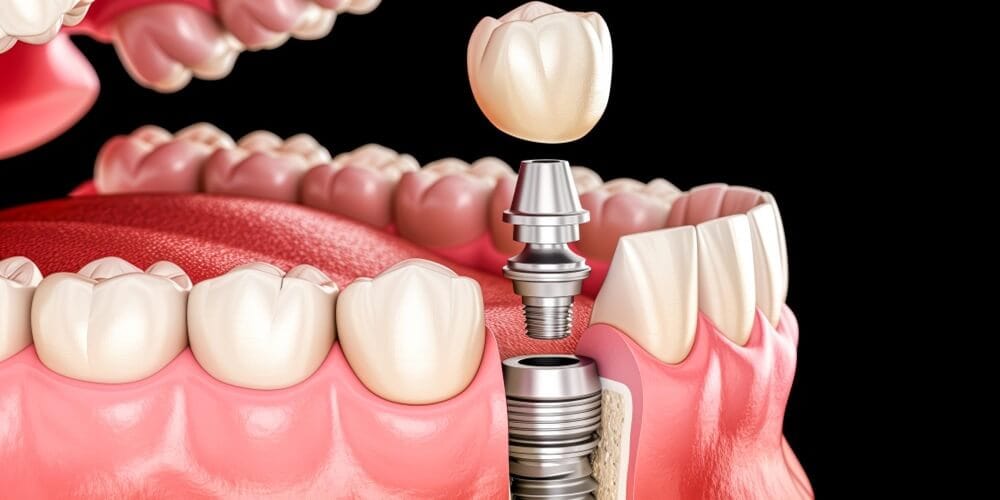
A dental implant procedure involves several stages: preoperative assessment, intraoperative management, and postoperative care. The initial phase starts with diagnostic imaging, sometimes supplemented by bite analysis and risk stratification tools (e.g. dental cone beam computed tomography, medical history checklists, surgical guides). Subsequent steps include implant placement, a waiting period for osseointegration, and crown restoration.
The phases are described below. Specific details can differ between practices: for instance, some clinicians use computerized tomography analysis, implant-supported interim restorations, or the All-on-Four technique.
Planning a dental implant begins with a clinical assessment and diagnostic imaging. If necessary, computed tomography and bite analysis records help identify soft-tissue factors that affect positioning. Risk stratification tools can clarify the risk profile and influence immediate loading decisions.
The surgical phase has three components: implant placement into bone, a waiting period for Osseointegration, and the management of complications. Subsequent crown restoration may involve various implant types.
Thorough preoperative assessment underpins the success of implant therapy, facilitating complication reduction, risk factor management, and surgical verification of the treatment plan. Preoperative imaging typically includes a periapical radiograph or an orthopantomogram, enabling bone mapping and dental orientation assessment. Cone beam computed tomography (CBCT) imaging is also available and recommended when significant voluminous bone reconstruction or implant-supported prosthodontics in compromised bone or soft tissue are planned; it facilitates bone density evaluation and posterior sinus distinction.
Preoperative imaging also guides occlusal analysis of the dental arch and information gathering for coexisting clinical conditions. The focus at the planning phase remains on dental occlusion and possible tooth movements, as successfully mitigating orthodontic OEM and OPM during space closure for a congenitally missing tooth may significantly reduce chair time and treatment costs. Traffic-light risk assessment enables prudent planning: a green band within which surgical risk is low, followed by an amber zone when complications may be managed with relative ease, and a red zone when referral is strongly advised. Detailed preoperative planning is generally dispensed with for a healthy patient group, and surgical execution alone is the primary concern.
A detailed surgical protocol for dental implants in Turkey encompasses three main phases: implant placement, the osseointegration period, and intraoperative management.
Implant Placement
Surgical placement of the dental implant is performed in accordance with manufacturers’ guidelines and surgical training. Local anesthesia is routinely administered. A surgical guide may be used to stabilize the bur and assist in creating an implant site of predictable position, angulation, and depth. Cone beam computer tomography (CBCT) may guide bucco-lingual positioning to satisfy restorative and aesthetic considerations. The well-documented removal of enamel-derived lichen planus on the lingual aspect of the adjacent tooth/teeth is strongly suggested so that the biological mechanism(s) for osseointegration can take effect, thereby enhancing reliability where implant placement is attempted in close proximity to other teeth.
Osseointegration
The osseointegration period typically lasts three to six months for endosseous titanium dental implants. Occlusal loading should be avoided until there is evidence of osseointegration, although zygomatic implants may be used to support a prosthesis from the day of surgery. For bone-on-bone ankylosis, occlusal loading should ideally be avoided for as long as is required to allow primary (bone-derived) stabilization and subsequent (endothelial-derived) stabilization of the implant by means of osseointegration.
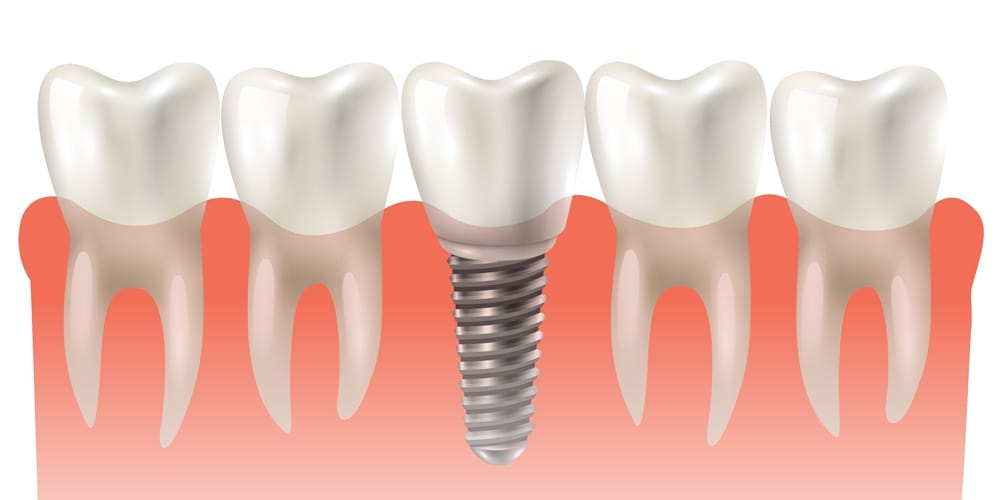
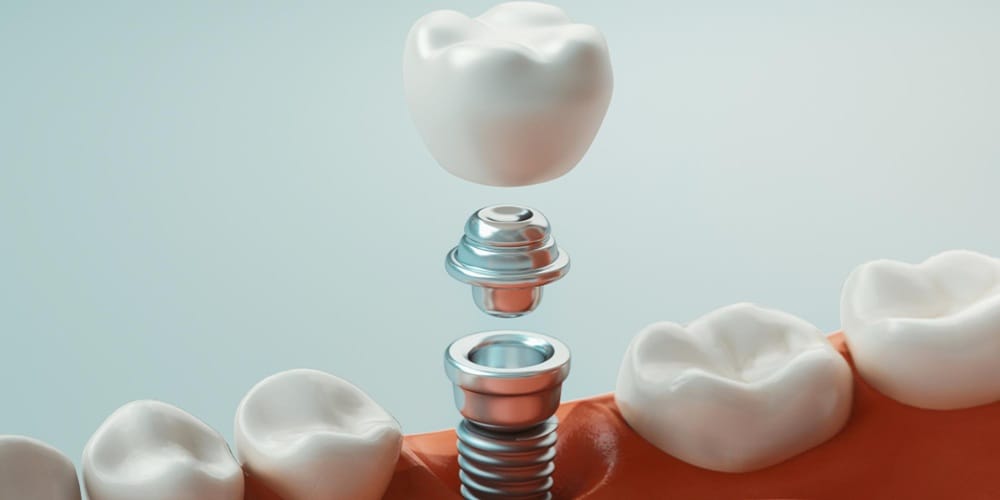
During the second phase, when osseointegration is confirmed, the clinician selects an abutment for the implant, a tiny, tooth-shaped cylinder that protrudes above the gum line and supports the implant crown. The type of abutment used depends on the gingival architecture surrounding the implant and the design of the future restoration (protocols for full-arch restorations are described below). For the anterior zone, custom-fabricated or tissue-level abutments can provide optimal aesthetic integration. Depth and angulation discrepancies can be corrected with individual or stock abutments, while screw-retained restorations can be simplified with an implant-positioned implant crown.
Once the abutment is in place, a crown is designed and fabricated. This may be achieved with the assistance of an external laboratory or using an intraoral scanner with an in-office milling machine. The crown can either be cemented or screwed to the abutment. While screw-retained crowns are considered the gold standard due to their retrievability, cemented crowns are more often used for aesthetic reasons. Finally, the occlusion and integration of the pontic zone with the gingival emergence profile are assessed to ensure that the implant-supported crown is harmoniously positioned within the continuity of the occlusal plane.
Following the surgical placement of implants, the same care that is usually required after most oral and facial surgical procedures should be followed. Medications to alleviate post-surgical discomfort should be taken, particularly the first three days or as long as needed, although medication for discomfort should be taken with food to protect the stomach. Comfortable, nutritious, easy-to-chew foods are often preferred in the first few days; soft or liquid meals can also be used. Strenuous physical activity should be avoided, and smoking is discouraged, especially within the first few days. Ice packs may or may not be helpful for decreased swelling. The supplement glucosamine seems to have some effects in preventing or decreasing swelling after surgery.
A strict oral hygiene regimen is essential to help maintain the health of the implants and the surrounding tissues. The use of chlorhexidine-based mouth rinses starting the day of the implant placement surgery, coupled with proper mechanical cleaning, will heighten the level of anti-plaque control during the initial healing phase. The level of anti-plaque control can then be made less rigorous but maintained with a combination of chlorhexidine during the implant-supported restoration delivery stage. The use of chlorhexidine should be carefully monitored: avoiding the concomitant use of sodium-lauryl-sulfate-based products, diluting with water, and limiting the duration of use.
Compared with single crown restorations, the ongoing maintenance of an implant-supported prosthesis requires more frequent visits to the dentist for proper monitoring of oral health (especially in preventing peri-implant diseases), and it is general practice to recommend a check-up every 3 to 6 months during the first year after the installation of the prosthesis and annually thereafter. The presence of these inflammatory diseases negatively influences the success of the treatment and is thought to be related to multiple factors, including the size and position of the connection, the dental hygiene, the Vitamin D levels, and the level of the immunosuppression treatment. Therefore, specific examinations to check for the presence of risk factors would allow the clinician to better guide patients toward routine maintenance that could prevent the onset of these diseases, ensuring the long-term maintenance of the implants and the surrounding hard and soft tissues.
A single tooth implant Turkey consists of a titanium screw placed into the bone under the missing tooth site, which is subsequently restored with an implant crown. For esthetic reasons, it is advisable to delay loading of the crown until at least 3 months after implant placement, for the soft tissue and bone surrounding the implant to mature. Associated procedures such as bone grafting and sinus lifts may extend total treatment time. For patients numbing the full arch of teeth, full mouth implants Turkey are an attractive treatment option. In these cases, multiple implants can be placed during the same procedure. The prosthetic restoration is then arranged for a longer-term time frame; at most 2 to 3 weeks after implant placement. Planning details the number of implants required, with local anatomical conditions determining the implant position and inclination. Fixed or removable designs can be adopted, with the removable option potentially staged at a lower initial cost. In full arch situations, titanium remains the material of choice as there is no evidence to suggest that ceramic implants outperform titanium implants in this application.
When considering implant treatment, dentists must establish the possible loading time. Immediate loading is placed on day of surgery. Early loading usually occurs at 2 to 4 weeks, and conventional loading at 3 months for a bone density nor diagnostic imaging. Although it is feasible to screw and cement crowns onto the abutment, the preferred method of retention should be assessed on a case-by-case basis, taking into account aesthetics, function, complexities during the visit, and cost. At the end of the implant rehabilitation, the dentist must verify that the crown aligns both with the adjacent teeth and with the opposing dentition in order to fully restore the dental arch.
A single tooth implant can replace one missing tooth. If needed, bone grafting or sinus lifting can prepare the space for an implant. Should the implant be placed immediately after tooth removal, bite and soft tissue aesthetics must be carefully evaluated, with occlusal adjustment potentially delaying the prosthetic component. A single implant crown comprises three components: a titanium implant, an abutment, and an implant crown. Implant crowns can be retained with cement or screws, and custom-made options offer better aesthetics.
A single tooth implant Turkey is often the most straightforward dental implant solution. When possible, careful planning and protocol compliance allow for an immediate-placed implant and provisional restoration. The goals of aesthetic restoration for a single tooth are to mimic the missing tooth in form, shade, translucency, and gingival contour, tone, and texture. When a tooth is lost, the clinical crown and supporting alveolar bone undergo continuous changes that need to be considered when creating aesthetics and function. Socket preservation techniques can be used to reduce hard and soft tissue deformity in the anterior maxilla after tooth loss. The single implant procedure may be complicated by limited bone density. Bone grafting or sinus-lift procedures may also be necessary.
Full mouth implant rehabilitation involves replacing entire arches of teeth with fixed or removable dental prostheses supported by dental implants and is performed worldwide.
Clinics in Turkey commonly offer full mouth treatments, which can improve treatment efficiency for patients with missing dentitions and enhance overall patient satisfaction. Preoperative planning involves assessing the patient’s desire for fixed or removable rehabilitation, available bone volume, dental occlusion, and facial profile. A staged approach can be adopted, resorptive edentulous ridges may be augmented, and careful management of the maxillary sinus should be ensured. Immediate postoperative care focuses on hygiene and dietary compliance, whereas monitoring procedures assess the short- and long-term consequences of dental implant-supported full mouth rehabilitation.
Full mouth implants Turkey rehabilitation refers to the placement of a full-arch prosthesis supported by dental implants. The absence of teeth in one or both dental arches may have a profound impact on function, health, and psychosocial well-being. Accordingly, patients often seek treatment when all teeth in one or both dental arches have been lost. Full mouth implants Turkey rehabilitation is complex, as a high number of dental implants are placed within a limited period and are often loaded immediately. Nevertheless, when planned and performed properly, full mouth rehabilitation with dental implants often achieves high levels of patient satisfaction.
Full mouth implants Turkey prostheses can be fixed or removable. Fixed prostheses may be retained by screws, cement, or a combination of both, whereas removable prostheses are typically supported by bars or locators. To optimize treatment efficiency and patient satisfaction, patients should be made aware of their treatment options regarding fixed versus removable solutions. Patients desiring removable lower overdentures should be made aware that the edentulous ridge will continue to resorb although complete dentures are being worn, and that implants will probably have to be placed in the anterior part of the mandible to support an overdenture.
Titanium dental implants are currently the gold standard around the world, including in Turkey. Alternatives, mainly zirconia implants, have been described, and a few studies have investigated them. However, no evidence has established their superiority over titanium implants. Zirconia implants present greater challenges in terms of mechanical stability during placement, osseointegration—osseointegration may not be achievable for zirconia implants due to the lack of a titanium oxide layer around the implant body—and venous drainage during the healing phase of surgery when placed in areas of extremely low bone density, particularly between maxillary incisors. Zirconia presents an increased risk of fracture in comparison to titanium and, when subjected to prandial occlusal load, shows a reduced capacity to resist to fracture compared to titanium.
The literature indicates that, although the few moderate- to high-quality studies available present similar outcomes after loading of both zirconia and titanium implants placed in patients with controlled periodontal disease, the slight increase in complication rates associated with zirconia implants, along with the limitations in anatomical regions to consider their use, impede the recommendation of zirconia implants as a reliable alternative to titanium implant. A review of survival, failure, and success rates of zirconia implants did not point out control groups for a more adequate discussion of results. For these reasons, although alternatives exist, titanium dental implants remain the gold standard.
Dental implants can transform the function, aesthetics, and psychosocial comfort of patients who have lost one or several teeth, or indeed all their teeth. Yet in many cases a lack of adequate bone prevents straightforward implant placement, as optimal conditions are required to achieve osseointegration and maintain facial dimensions during the functional phase. These conditions may be met using different techniques and materials. Grafting bone and preparing the maxillary sinuses are two widely used complementary techniques.
These techniques are often used in combination and can involve natural or synthetic materials. However, the introduction of bone substitute materials has enabled the surgical sequences on lateral maxillary sinus walls to be performed as separate procedures. Bone grafting remains the method of choice in most clinical situations; nevertheless, there is limited evidence on the type of material and technique to use to obtain predictable results. Meta-analyses suggest that mineralized grafts favour the preservation of the lateral maxillary sinus wall, preventing complications and leading to improved outcome scores. Sinus lift procedures can increase bone height for posterior maxillary implants; adding autologous bone still appears to confer advantages despite similar results being reported with substitutes.
Bone augmentation procedures may not always be necessary. Nevertheless, when insufficient bone volume is present, careful planning and appropriate sequencing of treatment can still enable successful, predictable results. Bone augmentation should be considered for patients with high aesthetic demands, when the buccolingual bone width is reduced to less than 4 mm, or when implant positioning cannot be optimally determined to avoid complications. It is not indispensable in the presence of full-arch restorations supported by four implants and/or dual-arch rehabilitation of the maxilla.
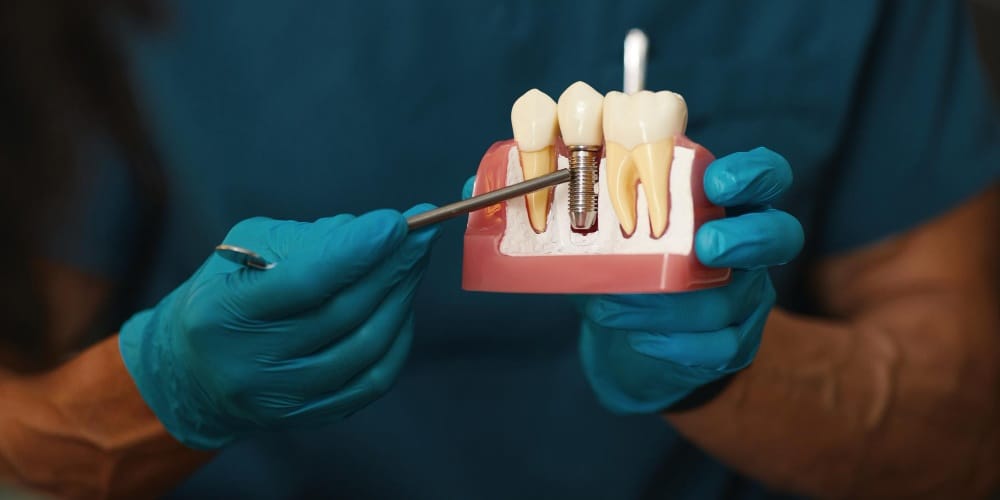
Dental implant cost Turkey varies according to individual factors such as the particular clinical case, the clinic selected, the materials used, and the complexity of the treatment. Prices consist of different components, mainly those related to surgical time, prosthesis fabrication, and materials, particularly the type of implant employed.
When compared with other countries, Turkey offers the same high-quality treatments with good postoperative results but at lower prices. The reason is that doctors in Turkey offer their services at more competitive prices, making them very efficient in terms of cost, and patients often travel from the USA or Europe. In addition, dental care is not covered by health insurance in many countries, so patients seek affordable alternatives abroad. It is essential that the quality of care, the duration of the treatment, and the aesthetic outcomes of implants performed in Turkey be comparable to those obtained elsewhere. Furthermore, dental treatment is almost a tourist attraction for foreign people visiting Turkey, which positively influences postoperative healing.
The overall costs of implant treatments can often be financed through the clinics themselves or through banks that offer special funding solutions. Even if dental implant treatment is relatively inexpensive in Turkey, the high-quality materials generally used are certified, and the implants are produced by leading implant houses in the market.
Country / Region | Single Dental Implant | All-on-4 / Per Jaw | Full Mouth Dental Implants | Price Position |
Turkey | $400 – $800 | $2,500 – $5,500 | $6,000 – $12,000 | One of the most affordable options for international patients |
United Kingdom | £1,400 – £3,500 | £12,500 – £15,000 | £25,000 – £35,000 | High-cost market, especially for full-mouth rehabilitation |
United States | $3,000 – $6,000 | $15,000 – $38,000 | $30,000 – $70,000+ | One of the most expensive markets worldwide |
Germany | €2,500 – €4,000 | €12,000 – €20,000+ | €25,000+ | High clinical standards with premium pricing |
Hungary | $900 – $1,800 | $11,500 – $19,000 | $18,000+ | Popular European dental tourism alternative |
Mexico | $1,000 – $2,500 | $13,500 – $21,000 | $25,000+ | Popular for US patients seeking lower prices |
Poland | $1,000 – $2,000 | $5,700 – $8,900 | $15,000+ | More affordable than Western Europe |
Switzerland | CHF 4,000 – CHF 6,500 | CHF 25,000+ | CHF 50,000+ | Premium pricing, among the highest in Europe |
Cost Factor | How It Affects the Price |
Implant brand | Premium brands such as Straumann or Nobel Biocare usually cost more |
Number of implants | Full-mouth cases require more implants and more planning |
Crown material | Zirconium crowns are usually more expensive than standard porcelain options |
Bone grafting | Required when jawbone volume is insufficient |
Sinus lift | May be needed for upper jaw implant cases |
Sedation | IV sedation or hospital-based procedures can increase the total cost |
Temporary prosthesis | Often included in All-on-4 or full-mouth packages |
Hotel and transfer | Some Turkey dental packages include accommodation and VIP transfers |
Dental implant cost Turkey revolves around several well-defined components. Clinics often advertise tempting all-inclusive prices that provide full details of these services; any subsequent additions are the responsibility of the patient. Price variability can stem from the clinical team’s level of experience, the materials used (especially the implant system itself), and the complexity of the implant procedures. Bone augmentation prior to the implant surgery substantially raises costs without always ensuring success, particularly if a sinus lift is required.
Comparing dental implant costs in Turkey with other geographical regions is complex, especially adjusting for all the factors previously described. By providing permanent life-changing solutions for their patients, Turkey and its dental implant sector are cementing their status as the world’s biggest player for this type of dental service. Because of the price differences, at least in Europe and North America, financing these interventions abroad is worth considering. Turkey is also a logical destination, given its proximity, clinical expertise, cutting-edge technology, modern venues, and recovery support services.
Commentary on implant affordability must distinguish between price and value. The cheapest dental implants correctly suggest a compromise in quality. Simply put, clinics chosen for monetary reasons risk subpar materials, implants devoid of evidence-based design, and the possible involvement of dentists on their first day’s implantation work. Such genuine price-savers would be prohibitively dangerous and painful in any region. However, when the region’s overall implant costs are markedly lower, patients enjoy well-established implants marketed by reputable firms, and when quality standards are set and enforced; or when small price differentials enable savings with no compromise. Turkey emerges as a strong possibility.
Turkey is the cheapest place in Europe to have dental implants. Nevertheless, care must still be exercised, especially when implants are required in large numbers. Price differentials between regions must also be examined more closely. For example, overseas treatment costs 20 – 50% less than in equally developed areas, and 50 – 70% less than those of the most expensive regions, yet dental tourism is more readily justified if the respondent countries are outside Europe. The above price considerations stem from comparative assessments of costs, dentist-patient ratios, quality recognition, competent services, comparable clinical and laboratory results, high-quality materials, acceptable durations of care, and the absence of history of foreign travel by patients or their implants.
Turkey consistently ranks among the foremost choices for dental implants and dental tourism. Factors ensuring the country’s success include: well regularly audited dentist training, strict hospital authorizations, fulfillment of specialist requirements for periodontal, oral, and maxillofacial surgery procedures, implementation of health care and society guarantees, availability of implant courses developed by world-renowned experts, sufficient numbers of operating dentists, and foreign demand and foreign-capital interventions stemming from cost differences with the home countries of the clientele.
Financing and insurance coverage are pivotal when considering dental implant procedures, particularly in a destination with substantial travel costs like Turkey. Clinics generally offer cost components separately, allowing patients to control and select specifically which services they wish to pay for. Although some clinics promote all-inclusive packages covering flights and accommodation, careful analysis is advisable. Such packages may exploit the fact that many patients will be entitled to a travel insurance benefit after returning home, thus charging a premium for this convenience. Moreover, patients must consider the political situation in Turkey, with risk levels differing across regions and insurers constantly reviewing and updating their country combinations. These factors make locating a travel insurance company prepared to underwrite medical travel to Turkey challenging, and also limit the options available for selecting a policy. It may therefore be prudent to travel with an approvals policy and rules that specifically allow treatment in a wide range of countries.
Dental implant cost Turkey has led many patients—either from the United States or Western Europe—to seek treatment there. Concerns regarding clinical outcomes, however, should be carefully examined; dentists in these countries are keen to highlight cases where lower costs have been associated with increased complications, treatment failures, or the need for shortening. Comparing data sets from regions with similar longitudinal follow-up data and adequate correction for complication risk should reveal the truth of such concerns. It will also be important to verify that any lower costs in Turkey derive from factors other than reduced patient safety or treatment efficacy. Finally, dental surgery is almost invariably a costly process, and indeed the financial implications are usually uppermost in patients’ minds when planning an implant procedure. However, the treatments commonly carry a value-equivalent cost in terms of result longevity, and conversely treatment failure is certainly associated with even greater cost both financially and psychologically.
Upon waking from anesthesia and returning home, patients can expect pain and swelling in the treated area, which is easily managed with non-steroidal anti-inflammatory medications. Black tea, psyllium, cold foods, and other homeopathic remedies can also reinforce pain relief. For the first 24 hours after surgery, patients should stick to soft foods and cool drinks. They should not rinse their mouths vigorously, suck through straws, smoke, or perform any strenuous activities. After this initial phase, they can gradually return to their normal diets.
Throughout the osseointegration process, patients have an important role in maintaining their oral hygiene. They should continue brushing their teeth and gums, being careful around the wound, and to avoid the treated side of the mouth when flossing. After implant placement, it is essential to monitor the process. Any abnormal swelling or pain, bleeding, or difficulty opening the mouth could indicate the early signs of failure.
To be fully functional, implants need to integrate with the bone for a period of time before loading. Dentists will schedule regular check-ups during this healing phase. After around three to four months, an X-ray is taken to confirm that osseointegration is proceeding normally. Once the implant is secure, they will install the abutment and crown.
During dental implant surgery, the local anesthesia employed will permit the placement of the implant without pain. After the anesthesia has worn off, it is normal that the area may be a bit sore. In the postoperative period, prescription analgesics may be necessary for 24 to 48 hours after the surgery and will usually be sufficient to keep pain at a minimum. Heat and physical exertion may aggravate the pain and should thus be avoided for the first 48 hours.
The most frequent and annoying symptom after surgery is discomfort that can be easily alleviated by products that will control pain as per the instruction the dentist provide during the healing process. The consumption of soft food and liquid is recommended until the anesthesia in the mouth wears off; after this period, an almost normal diet is required. Care should be taken not to bite or apply pressure on the area of the implant during the initial stages of healing. After 72 hours, all daily living activities can be resumed. Chewing should be avoided on the implant for at least six weeks after surgery.
When a dental implant is placed in the upper jaw and the implant is deep in the sinus cavity, it is preferable not to blow the nose for two weeks after surgery. If any blood-stained fluid comes from the nose or throat during that time, it should be wiped away but not blown. Smoking and alcohol consumption must be avoided in the first few days after the surgery to ensure good recovery. After this period, it is advisable to minimize consumption until the implants have fully integrated into the bone.
Long-term maintenance is essential for preserving implant-supported restorations. Hygiene visits at least twice a year are recommended to maintain healthy peri-implant tissues, clean fixed bridges and prostheses, and evaluate whitening, which can help to keep neighbouring teeth and the tooth–gum relationship attractive. For patients suffering from bruxism, the use of a nightguard can be highly beneficial. Factors influencing the development of peri-implantitis include insufficient hygiene, smoking, crown position, the presence of teeth grinding, and the type of suprastructure used. Detection and management protocols for early-stage issues and potential complications can help the clinician take the right steps towards ensuring the longevity of patients’ implants.
During routine check-ups, patients should be educated on the health of the implant region and instructed on the best cleaning techniques in that particular area to prevent future complications. Checking the probing depths around the implants and evaluating bone absorption through periapical X-rays can help identify the onset of peri-implantitis. Symptoms associated with implant failure should always be monitored. These include exudate secretion, bleeding upon probing, bulbous peri-implant mucosa, suppuration, a history of pain, and the presence of infection. If these signs are present, the patient should be referred for adequate treatment as soon as possible.
Dental implants are among the most predictable treatment modalities in dentistry, yet their long-term success hinges on numerous factors. Clinicians diligently assess these considerations during planning and surgery to mitigate postoperative complications. Such complications may arise due to surgical mishaps, systemic conditions, inadequate maintenance, trauma, or parafunction, resulting in early or late implant failures. Clinicians should be cognizant of early warning signs and guide patients on when to seek care.
Acute pain at the implant site can be anticipated for the first few days. Persistent pain beyond this period, especially when accompanied by localized swelling or drainage, may signal infection, peri-implantitis, or early implant failure and warrants clinical evaluation. Similarly, severe swelling, bruising, or fever may indicate surgical complications. Abutment pain during chewing could signify local infection or overload by adjacent teeth. Recognizing these warning signs and seeking timely intervention can avert potential implant loss.
The success of dental implants depends on many factors. The quality of both the surgical placement and the subsequent functional crown and aesthetic restoration determine the outcome. Therefore, successful results require careful consideration of the clinical team, the materials used, and their overall expertise. This section focuses on these aspects to provide reassurance to potential patients.
The quality of expertise and health standards across Turkey for dental implants is excellent, but they should be verified. Most private dental clinics in Turkey have achieved international medical quality standards, confirming their competence to perform surgery and prosthetic rehabilitation. The qualifications, teaching positions, continuing education, and publications of the clinical team must be verified. Particularly relevant is the service responsible for placing the dental implants; they are a critical prosthetic support. The standards of implantology and the implant brand used must also be verified. The quality of available materials is essential for achieving optimal long-term results. Reliable implant brand with a track record of success and safety backed by published long-term clinical and radiological data should be preferred.
Another quality aspect involves technical preparation and available technology. The use of different state-of-the-art diagnostic and therapeutic technologies (for example, 3D diagnostics, milling systems, CAD-CAM technology, and computer-guided surgery) demonstrates the clinic’s commitment to providing optimal diagnostic and surgical conditions. The Turkish healthcare system and tourism easily support the choice of Turkey for dental implants. The experience with tourism in Turkey greatly facilitates the organization of travel and recovery after surgery. Planning the overall stay, especially the postoperative course, provides further comfort for the patient. Tourism agencies have excellent organization and serve as a complete partner for those traveling from abroad.
Turkey has a large community of dentists performing feasible dental implants accompanied by an adequate level of quality. Most of these professionals obtained their training at reputable universities. Be it the clinical activity of foreign patients at a particular office or the connected venture by local physicians, the implant procedures in evidence are executed in line with international standards. Renowned implant brands are regularly used and thus followed by product guarantees. A few clinics make the effort to gain certificates from accreditation agencies like Joint Commission International (JCI) or International Organization For Standardization (ISO) and secure place in the third-party audit report of Dentists Without Borders, or Médicins Sans Frontières in France. These women and men come to Turkey, equipped with various forms of vacation time and thirst for travel, looking to optimize it with some body care. Alongside the dentist certificate, the treatment remains under the supervision of the Turkish Ministry of Health via the respective provincial health departments. No local agency issues a particular endorsement for foreigner patients since they do not charge responsibility for the entire treatment or consequently for the implant.
Turkey has a competitive advantage in access to advanced equipment and materials, a critical success factor for implant therapy. A broad selection of leading implant systems is available, with established supply chain support. No regulatory oversight is mandated for the selection of implants or other components used in implant procedures, apart from general safety assurances based on CE certification by the European Union or equivalent agencies. Consequently, individual clinics are permitted to exercise full discretion over the choice of materials, sourcing, and equipment for implant surgery. Clinicians can select approaches and products based on personal preferences or interests. During the initial surgical step, implants are invisible and buried in bone; treatment is deemed successful if osseointegration is achieved at a later date. Indeed, the only critical prerequisite for a good outcome in implant surgery is the establishment of bone-implant contact.
Turkey combines world-class dental expertise with hospitality, accessibility, affordability, and a wealth of tourist attractions. Major cities and resorts are typically served by at least one international airport, and domestic connections make regional travel straightforward. The treatment period for a single implant or a few implants is often 4–7 days. When multiple implants are placed and softer materials are available for the interim prostheses, it is possible to return within 10 days. Cosmetic procedures, treatments involving bone grafting, and full-arch rehabilitations require four days to two weeks for aesthetic phase one, and a revisit at 4–6 months.
Most dental clinics in Turkey offer patient support services ranging from airport transfers and accommodation to caretaking and sightseeing. Many patients visiting for implants take advantage of relaxed recovery during a holiday. The protocol for visits is typically to stay within the proximity of the clinic during the initial days and return to hotel or resort accommodation only after the first stage has been completed. However, tourists are advised to avoid strenuous activity and prolonged sun exposure during the first few days after surgery.
A major motivation for choosing dental implants in Turkey is the perception that they represent an excellent long-term investment. The argument rests on estimates that the average longevity is around 15 years, often supported by studies showing survival rates between 85 and 95 percent at 10 to 20 years, as well as relatively low failure rates warranting revision. A caveat to this approach, however, is that neither the definition of failure nor the duration of follow-up observations are always adequately specified.
Analysis of published data from Turkey suggests that the trend is confirmed, with a mean follow-up of about 24 months. Survivor bias may play a role: clinics that stage treatment—using temporary restorations while establishing an implant prognosis—thus decreasing complication rates could have their results positively impacted. There is a tendency for the evidence to include low numbers of implants or patients and varying support for adjusted risk estimates. Nonetheless, the overall findings suggest that implants usually achieve good long-term results.
Pain experienced during dental implant surgery can vary significantly among individuals; however, the procedure is usually well tolerated and most patients describe the sensation in the region as uncomfortable rather than painful. The surgical site is numbed with local anesthesia, which, when administered properly, mitigates pain for the duration of the procedure. Patients who are particularly anxious or wish to have the procedure in a more sedated state can receive sedation if deemed appropriate and safe by the clinician. After the procedure is complete, patients may experience pain, discomfort, and/or swelling around the implant site and surrounding teeth for a day or two. In the absence of complications, this generally is well managed with over-the-counter analgesics, and antibiotic and/or anti-inflammatory medication are prescribed as indicated.
Individual health factors can cause variance in surgical pain levels, though the limited pain report during implant surgery appears to indicate a higher degree of tolerance than in many other surgical procedures. For example, surgery in patients known to grind teeth, an activity that describes a large proportion of the population, can have no effect on the pain response, and patients suffering from systemic diseases typically view dental surgery as being associated with less pain than what they experience as part of their underlying health condition. Pain is, of course, a subjective, personal experience, and significant variability in individual pain tolerance exists, so consultation with a qualified practitioner to discuss expectations and choose approaches suited to a patient’s specific clinical condition is recommended.
The duration of stay required while travelling to Turkey for dental implants is typically 4 to 10 days, depending on the treatment plan. For patients requiring a single implant, a stay of around 4 days is generally adequate. In many cases, the crown can be placed within this time frame. However, for those undergoing full mouth implants Turkey with or without a bone graft, a period of 7 to 10 days or more may be necessary. The anticipated duration of stay will be discussed during the digital consultation, and further travel planning considerations will be provided herein.
Long-haul flights can be tiring, especially if seated in economy class for extended durations. Arriving 2–3 days in advance of the dental procedure can facilitate adjustment to the new time zone. Patients travelling alone may also prefer to travel with the surgical procedure scheduled earlier in their stay. Patients considering a dental holiday often appreciate the additional details that local contact can offer, as they act as travel companions when needed and provide support and local knowledge. Sharing a holiday with relatives or friends can enhance enjoyment; in this case, only one should proceed with surgery at a time.
Is it possible to get a dental implant if I have bone loss? Colonization of pathogens into exposed implant surfaces or cemented crowns are one of the most common reasons for the failure of implants over time; both are influenced by insufficient bone quality and/or quantity. Bone loss might lead to bone resorption or potential complications around implants. The use of implants in such cases may not always be successful, although it is a good guiding principle that a bone augmentation procedure may help make an implant placement possible.
In the present day, there is a widely discussed position regarding the risks of implant placement in areas of bone loss in the upper jaw without augmentation. The prevailing view indicates that implants can be placed in these areas but may have a high risk of later loss of osseointegration or of other sequelae. Bone augmentation procedures should be considered when planning in these regions, especially for the reconstructive dentist. A heterogeneous patient population should take not only health aspects into account before operation, but also psychological condition and socioeconomic background. Evaluating these aspects, dental implant surgery appears to be suitable for selected patients even in the context of bone loss in atrophied upper jaws and should therefore not be excluded solely on account of these factors.
Osseointegrated titanium dental implants provide a treatment option for the restoration of missing teeth in adults. Preoperative planning, including three-dimensional imaging and assessment of the occlusion, risk factors, and local conditions, must precede surgery. An implant-supported restoration for a single tooth requires about four months to restore and involves placement of an internal hex-abutment crown; in the full-arch rehabilitation, the critical factors for success include a sufficient bone stock for single-stage surgery with provisional fixed prosthesis. The growing interest in intravenous sedation at the hospital setting reflects the complexity index for full-mouth therapy. The use of a respected brand leads to predictable results and the long-term-reviews show excellent outcomes, although at a higher cost.
Turkey is one of the world’s major centers for implantology. The expertise of the dentists, the quality of the materials, and the use of the latest generation devices and techniques are the winning aspects of a treatment that can be performed quickly even for full-arch rehabilitation. The cost saving is also significant compared with Europe. In addition, many dental clinics offer, as an integral part of their service, the organization of the trip, arranging accommodation and transfers. All these factors have made Turkey the destination for many foreign patients undergoing treatment or surgery requiring a longer stay.