
Laminate Veneers in Turkey

Laminate Veneers Turkey: Thin Porcelain Smile Makeover
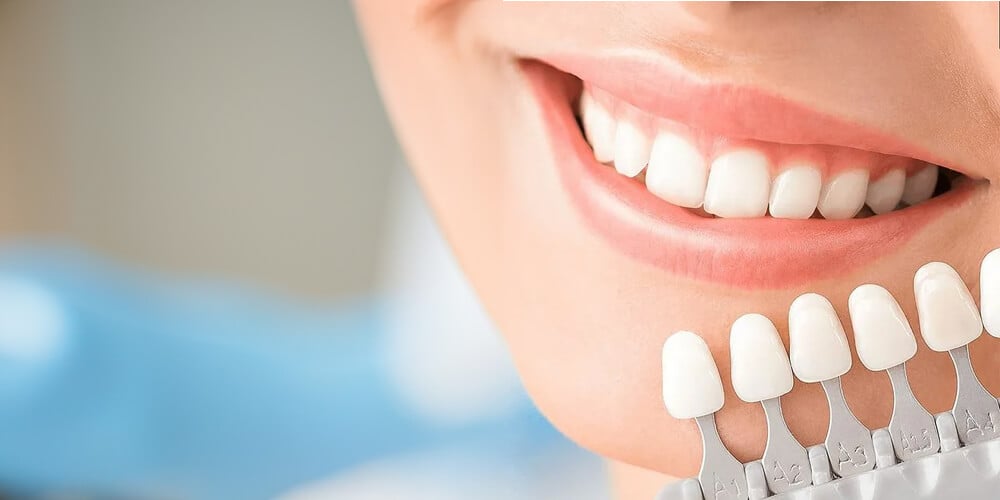
Table of Contents

Laminate veneers in Turkey are ultrathin porcelain shells bonded to tooth surfaces to modify color, shape, and alignment without a life-limiting cutting of the tooth surface. Laminate veneers can be among the most aesthetic procedures in dentistry; thin porcelain shells can create the illusion of a perfect smile with minimal invasive procedures. The ideal candidate should have a good internal tooth structure and a healthy functioning occlusion.

With Zaren Health, you can have the best laminate veneers in Turkey. For this operation, you just need to contact Zaren Health, the best health counselor in Turkey. Thus, you can have a new beatiful smile.

What Are Laminate Veneers in Turkey?

Porcelain laminate veneers were original techniques introduced by. The current technique utilizes minimal enamel reduction with the proper preparation design. Emphasis on patient management, including assessment of the patient’s tooth ecology with the desired shape and shade of the final porcelain laminate veneers Turkey and the use of diagnostic wax-up, shade mapping, and intraoral photographs, contributes to an appropriate laminate preparation. Specific clinical criteria guide the determination of the laminates’ color and form and the preparation of the record bases. Careful bonding and cementation complete the procedure. Long-term follow-up studies demonstrate the great potential for aesthetic success with porcelain laminate veneers in properly selected cases. Porcelain laminate veneers are thin translucent porcelain shells bonded to the facial surface of anterior teeth. They were introduced to correct esthetic dentofacial defects, mainly color, shape, and slight alignment. They can still be a controversy with regard to tooth preparation, and some question their longevity.

Hollywoodlike smiles created by porcelain laminate veneers have hugely influenced demand for this esthetic procedure. Most dentists want to help their patients achieve the goal, and providing patients with what they want offers great pleasure and added fulfillment in dentistry. Nevertheless, careful assessment of the patient’s internal and external tooth structure, tooth ecology, desired contours and color changes, and proper diagnostic procedures should be undertaken before committing to treatment.

Conceptual Foundations and Definitions

Laminate veneers in Turkey are thin porcelain shells bonded to the vestibular surfaces of teeth to change color, shape, size, character, and/or alignment while preserving enamel and maintaining the natural aesthetics of the tooth. Laminate veneers are an integral part of cosmetic dentistry and can be considered when teeth are discolored, stained, malaligned, or malformed. Laminate veneers differ from conventional porcelain veneers, which require tooth reduction to create space for the material. Bonding resin attaches the laminate to the bus surface a few micrometers thick and does not shorten the lifetime of the teeth. Laminate veneers are ultimately intended to fulfill the patient’s esthetic purposes.

The first porcelain veneer was described in 1938 by a Californian dentist, and these early adhesive porcelain veneers in medicine were developed in Turkey in the 1980s in an attempt to meet changing esthetic demands. With the advent of new material properties, minimal-preparation façades became an alternative to classical metal-ceramic restorations for teeth that needed to be esthetically improved but couldn’t offer sufficient support due to their own fragility. Porcelain veneers introduced into dental medicine and strengthened by CAD-CAM systems enabled dentists to offer patients a simple, predictable, and pleasant solution for restoring their smile. When planning a case, it can be considered that since the adhesive bond between tooth enamel and material is the most critical factor determining the durability of porcelain veneers, preparation should preserve as much enamel as possible. Patients’ natural tooth color is also very important in these cases.

Historical Development and Technological Advances

The origin of laminate veneers can be traced back to 1938, when Dr. Frederick Anthony Stoll applied a thin film of composite resin on the labial surface of the maxillary anterior teeth of a patient with no adverse effects, an early attempt at direct veneers. Later, in 1955, Michel P. G. Sorensen introduced an indirect porcelain version based on adhesive bonding using Cyanoacrylate monomer. In 1975, Dr. L. V. S. Koubi published decrease in color change and increase in mechanical bonding strength and utilization of adhesive space of polymerized composite resin due to bonding agent prepation. The major advantages of porcelain laminate veneers Turkey are preservation of the sound enamel, minimal preparation, and natural esthetics. Nowadays, new designs, surface treatments, sophisticated technological and adhesive protocols allow a predictable long-term use of porcelain laminate veneers.

The current concept of porcelain laminate veneers Turkey represents a sophisticated technical and esthetic use of adhesive dentistry. A minimal amount of enamel is normally prepared on the facial surface of the tooth, and an increase in tooth volume is achieved by using sectional matrices. The use of these matrices during the impression stage allows a thinner porcelain shell to be fabricated. Careful control of the translucency and of the internal surface of the porcelain veneers together with a correct selection of the cement shade and an effective autodevitalization technique lead to an improvement in the final result. The preparation of the tooth for bonding with a self-etching primer has proved to be as effective as the classic phosphoric acid technique. These preparations represent a clinical stage between a Full-Coverage Tooth Restoration and a Bonded Porcelain-Laminated Tooth Restoration.

Laminate Veneers Turkey: Thin Porcelain Smile Makeover

Who Is Suitable for Laminate Veneers?

Successful application of porcelain laminate veneers demands strict adherence to selection criteria. Patients should have healthy teeth with adequate enamel, a good occlusion, realistic esthetic expectations, and cogent oral hygiene. Deviating from these rules increases the risk of premature failure. Indications are identical to those for dental crowns in the anterior region, except for preservation of natural enamel. Some still consider the minimal invasive restorative construction to be the treatment of choice in most cases. It enables the color correction and translucency due to tetracycline stains or tooth deterioration, of contour and position of mal-placed and mal-shaped anterior teeth, of size dysproportions, of unwanted space between front teeth in a more conservative way than using periodontal surgery, and of darkened teeth of root canal-treated teeth, particularly in young patients with symptomatic apical periodontitis when ortho treatment with vestibular buttons is impractical.

Although porcelain laminate veneers have been successfully applied in young adolescents, patients are generally older and tend to increase in age as the indications are more frequently extended to older patients with greater functional demands on the restoration. Patients in this age group often associate personal life choices with a strong wish for change. Their special experience in using teeth to speak, eat, and interact socially should also be examined when planning for porcelain laminate veneers. One should inquire whether the person is right- or left-handed, whether the smile zone comprises highly visible teeth, and whether color and form changes of incisors are required. Special fields of ecology for such patients must also be of interest, such as for sports, optometry, theatre, business, or music. Patients especially concerned with youth and beauty desire teeth that are white and symmetric in color and form, while those in new relationships prefer color-less and invisible laminate veneers.

Patient Selection Criteria

Factors determining patient selection for porcelain laminate veneers Turkey include the quality of enamel, nature of tooth occlusion and interrelations, shape and color expectations, state of health, and presence of disease. As a critical aesthetic factor in anterior teeth, the enamel layer should be sufficiently preserved and healthy in the teeth planned for porcelain laminate veneers if they are to remain durable over time. Thus, porcelain laminate veneers are mainly reserved for adult patients in whom the anterior teeth have already completed their post-eruptive evolutionary stages, or in selected cases for late adolescents. Young patients are often poorly equipped with enamel deposits and structures and who seek overly white and bright colors without taking the natural ecology of the tooth into consideration. In these, an excess color and form change in the anterior teeth can result in functional problems in a very short time. As for periodontal checks, they should also guide the planning. If there is a considerable amount of untreated tissue destruction or disease in periodontal tissues, treatment should be completed first. After finishing the laminated teeth and even during their functioning, the presence of a supporting and healthy periodontium is of great importance in case of undergoing functional forces. Finally, para-functional habits of bruxism should also be taken into account, since they can influence the functioning of porcelain laminate veneers against fracture.

Porcelain laminate veneers Turkey can also be planned on the posterior teeth according to the wearer’s choice for functional color or shape change, as with the construction of Smile Makeover Laminate Veneers. However, there is one essential rule in the planning of the posterior posterior teeth: the wearer must have the crucial choice of color and shape but at the same time cannot determine it arbitrarily and instead should respect nature and try to create a harmonic and aesthetic relation with the color of the opposing teeth. Basing the color and contour of the posterior porcelain laminate veneers according to that of the anterior teeth can prevent the odd-state functioning of these laminate veneers.

Demographic and Clinical Considerations

Although fibricated porcelain laminate veneers can be placed in patients of any age who have a healthy isolated dentition and an adequate declarative smile, there are some additional considerations based on the patient’s age.

Therefore, these types of veneers should preferably be placed in patients of adult age, because adolescents, regardless of achieving an acceptable sexual maturity, usually still have an unstable dentition, which can be more or less involved. Jung et al., in a study of the color ecology of the anterior teeth recognizing that the maxillary central incisors have the highest prevalence of whiteness among tooth units, reported that for the ecology of these regions, most adults prefer a tooth color that is brighter than the color of the teeth of the majority of persons of the same age, whether of the same or of the opposite sex. From a psychological point of view, one could therefore ask whether adolescent patients would not seek the same lightening.

Certain factors are considered as necessary for the rehabilitation of the smile with laminate veneers, these encompass the enamel seals of the teeth and the not-exercise of habits that generate moments occlusive patients with bruxism and whitening that need to be avoided for the integration of the colors over time of the change Luminosity and microcontrast of the dental tissue. The typical candidate for porcelain laminate veneers is a patient affected by microgenesis, or a see-simple specialization for color changes, shape or contour of the teeth, double fracture, a displaced tooth with a dental tissue loss greater than 50%, and less than 75% rehabilitation of the smile circuit using other techniques.

Contraindications and Alternatives

Careful consideration of treatment planning, execution, and postoperative follow-up increases the chances of obtaining a successful result with porcelain laminate veneers. Contraindications include severe bruxism, significant periodontal disease, or an excessive amount of tooth reduction, which might jeopardize the longevity of the veneers. Other alternative or combined treatments consist of crowns, direct bonding of teeth, or dental whitening.

The lack of dentin in laminate veneers can represent a functional compromise; thus, if a patient desires the aesthetic and functional changes of a very light-colored tooth and has a complete disk of enamel on the tooth surface, the silicate crown may be a more suitable solution. Conversely, the centric relations in the anterior sector are so important that severe protrusions or retrusions in that area, together with a good ecological condition of the teeth and little inclination, can indicate a longer-term provisional lamina before substituting the veneers for final ones. Although it requires the good disposition of the patient, a bleaching combined with veneers on the canines and premolars may be another good option to reduce costs compared with allowing the porcelain veneers on all the teeth in the smile area.

Laminate Veneers Turkey: Thin Porcelain Smile Makeover

Laminate Veneers Procedure Step by Step

The procedure begins with assessment and planning. Analysis of the case is crucial to optimize the aesthetics of the result and to prepare the treatment for long-lasting success. Diagnostic wax-up, intraoral shade mapping, and writing the patient’s desires are necessities. In anterior teeth involvement, intraoral photos are appropriate for an easier articulation of the smile makeover veneers concept. The operation is painless; thus, general anesthesia is not required.

Preparation of the teeth is the next step. When the structure of the enamel is unpreserved and the occlusion is favorable for porcelain laminate veneers, such treatment can even be performed without preparation of the enamel. Most of the time, cutting of about 0.3 mm under the original enamel layer is sufficient. No beveled margin is necessary because such a thin preparation cannot break the veneer. Sectional matrices, which are finely shaped, can also help the aesthetic quality of the veneers. An elastomeric impression material or a digital scanner can be used as an impression procedure.

Then the porcelain veneer is fabricated. The color of the porcelain can be controlled during the fabrication process. High translucency helps the aesthetic aspect of the veneers, and small palatal cones or lines are easily repeatable in another veneer. If the color of the teeth falls outside the acceptable color variance of these veneers, internal staining with the patients’ preferences and demands is possible. This porcelain is stable and can be stained, colored, and characterized in a fine, subtle way. The bonding and cementation procedure integrates the normal surface treatment protocol, followed by the adhesive of the surface. After cementation, occlusion, proximal contacts, and polishing are performed.

Postoperatively, the patient must be instructed to pay much more attention than usual during the first 48 hours. In the first phase after cementation, the bonding is not quite stable on the tooth–veneer interface. From 48 hours onward, it can resist normal chewing forces without problems. The patient can have a temporary veneer during this phase, which can help the gum and bonding to become stable, dark pink, and strong in a normal color. The only thing that the patient must avoid is calcium carbide–type foods. The initial discoloration of the dark cavity mouth is normal. After approximately 1 month, the soft tissue and bonding are stabilized, and the esthetics are not pink anymore. Tooth brushing is essential. The first recall can be performed after 6 months to control all the conditions.

Preoperative Assessment and Planning

A preoperative assessment consists of taking all the steps necessary to ensure the bonded porcelain laminate veneers meet the patient’s desire and provide an ideal outcome. This assessment phase should include a variety of components, such as a diagnostic wax-up, mapping out the color and shade of the exact color of the veneers, taking intraoral photographs, and obtaining informed consent. A smile makeover veneers concept is used by taking into consideration not just the maxillary anteriors but the whole dentition and soft tissue. The smile harmony concept should be applied, not just teeth and color combination. The patient should visualize the final result with a wax-up or natural plus veneers model before the intervention, and this should also be supported by smile makeover software.

A careful and thorough preoperative assessment allows for a long-term predictable functional and esthetic result with porcelain laminate veneers. The preoperative phase is one of the most crucial parts of a successful and aesthetic reconstruction, as it helps to obtain a minimally invasive intervention guaranteeing a highly esthetic final result. Porcelain laminate veneers can be considered one of the most highly esthetic and conservative restorative dental procedures available. The design must be minimally aggressive to the enamel using only the enamel as a cement layer support and allowing the preservation to the most of the natural dentin structure.

Preparation and Impression Techniques

Minimal tooth preparation is a distinguishing characteristic of laminate veneer procedures. When planning porcelain laminate restoration, consideration is given to occlusion, tooth shade, tooth preparation, functional aspects, dental plant durability, and the need for enamel replacement; the preparation is superficial, with adequate retentive form, but may occasionally involve slightly lingual or palatal extension.

There are different opinions regarding tooth reduction when preparing porcelain laminae. In most cases, enamel preservation is considered highly important. Therefore, gingival margin preparation in enamel is preferred in younger patients with healthy teeth, and oclusal preparation is kept to a minimum. A thin covering of dentine remaining underneath the porcelain veneer seems to maintain the healthy color of the tooth and allow the long-term bonding between porcelain and dentine. However, the patient’s dental ecology, the length of conservation, and the amount of hard dental tissue present should dictate whether dentine should be prepared or otherwise. In parafunctional patients, preparation must be greater, and if patients are aware of their bruxism, a proper splint should be created. A diagnostic wax-up is highly recommended to allow the patient to visualize the final result. The use of silicone index matrices can conserve invaluable tooth substance.

When it is possible to perform all the steps in one session, it increases the patient’s comfort and facilitates a proper adhesion protocol. However, if the patient does not have perfect oral hygiene or there is insufficient enamel for a safe bonding, a provisional must be constructed and a diskin impression taken. When an impression is made for provisorium preparation, rigid material (e.g. polyether) should be employed for the temporalis to avoid distortion. In other situations, the use of intraoral digital scanners is valuable. In these cases, surface preparation with a thin coat of calcium hydroxide is also advisable to prevent desiccation of dentine. If these precautions are not taken, dentine can dehydrate and cause trouble with bonding.

Fabrication of Thin Porcelain Shells

The production of laminate veneers usually entails the use of pressable or feldspathic porcelain exhibiting a high level of translucency for enhanced natural aesthetics. Although the ideal position of the veneer and the bonding procedure greatly influence the clinical outcome, the choice of material can also significantly affect the regularity of colour and translucency of the final restoration. It is advisable to use materials with optimised fluorescence, translucency, and opalescence to enable natural integration with surrounding teeth during their fabrication. Tanalised or specially stained porcelain veneers allow for greater aesthetic versatility and repetition. Laboratory stages include the use of a thin, highly translucent material, standard staining of the veneers, and an additional stage of characterisation to allow for the reproduction of shading resembling adjacent teeth. The porcelain staining and characterisation process should also be performed by an expert technician in interpretation of natural colour variations.

Inlays based on the anterior part and dentine support and staining diamines or metallic oxides in the enamel layer of the porcine help create an aesthetic veneer integrating into the surrounding dentition. Analysing the colour changes between the initial and final state of the laminates makes it possible to confirm the natural lightness of the ceramics. Thin porcelain shells can either remain colour-stable with age and function or undergo opalescence and translucency changes that reflect the surrounding dentition. The stains used in the thin porcelain shells especially contribute to the appearance of enamel-like opalescence and translucency.

Bonding, Cementation, and Finishing

After try-in and confirmation of an optimal fit and appearance, the tooth surfaces and the inner aspects of the porcelain laminates are meticulously prepared for bonding. Bonding of porcelain laminates The etched internal surface is carefully rinsed to remove the hydrofluoric acid and dried with absorbent paper points. The tooth is prepared in accordance with adhesive protocols. During this process, the bonded porcelain laminate is thinned down to the required thickness. A low-viscosity composite resin is used for the bonding procedure; the shade can be selected according to the preferred final color. The porcelain laminate is then seated into the bonding composite on the corresponding tooth. Light polymerization creates a chemical bond between the tooth and the porcelain laminate. Once the bonding procedure is completed, excess composite is removed from the margins. Light cure units with correct wavelength for resin cement are ideal, as the bonding of the cement with laminate is primarily light-cured.

The final completion of the bonding procedure comprises finishing, polishing, and occlusal adjustment. The occlusal relationship is evaluated, and if necessary, adjustments are made. The occlusion is adjusted to establish harmonious cusp connections without interference. Proper light adds extra sparkle to the porcelain laminate. The completed laminate veneer region can be light-polished with a diamond polish to deliver optical mimicry.

Postoperative Care and Follow-Up

Postoperative instructions and follow-up appointments constitute the final components of the laminate veneers procedure. Patients receive hygiene directives emphasizing careful techniques and the avoidance of electrocardiogram (ECG)-active toothpastes, especially during the first two weeks post-cementation, when the adhesive bond may still be less than optimal. These messages are particularly crucial for patients undergoing smile makeover veneers procedures, where multiple surfaces have been prepared.

In certain cases, the clinician may elect to provision the preparations until coloration stabilizes postoperatively, such as when a significant color change has been achieved or when the natural tooth has undergone internal bleaching. If any of these parameters have been modified, it is prudent to delay bonding for at least two weeks. Tooth stabilization is also evident when the vibratory phase of the periodontal dressing utilizes thermal responses of the tooth for smoothening the laminar film. A follow-up appointment at four to six weeks is recommended, allowing not only for the verification of bonding stability but also for a median stabilization of the main color criterion.

Laminate Veneers Turkey: Thin Porcelain Smile Makeover

Laminate Veneers Before and After

Laminate veneers have gained popularity due to the excellent outcomes that can be achieved with limited tooth reduction. The use of standard instrument sequences and fixed or sectional matrices can help to ensure predictable results that closely resemble esthetic expectations with minimal preparation. Documentation of the results is important for the clinician to be able to prove to the patient what has changed and to discuss the possibility of re-treatment in the future when the veneers are not as esthetic and the patient wishes to renew them. Capture of photography in a standard manner, measurement of color changes, and identification of changes in contour through measurements of tooth silhouettes compared with an esthetic diagnostic wax-up form a basis for evaluating the result and assessing change over time. Comparison against some established baseline is always useful.

Long-term evaluations of laminate veneers have demonstrated how they hold up over time. It is also important to know whether patients are satisfied after treatment, using either subjective assessments or more objectively constructed visual analog scales. Survival rates give an idea of how long laminate veneers perform satisfactorily, while precise details concerning dark spontaneous debonding events are generally lacking in the literature. The main question remains: how many veneers should be placed? This usually depends on the Smile Makeover concept; if only anterior teeth are involved, it is important to have the balance of color and contour. This is the area of greatest visibility to others when interacting functionally. If only part of that area is completed and no diagnostic wax-up has been used to assist in treatment planning, then the probability of ending up with balanced color and contour is reduced.

Aesthetic Outcomes and Case Documentation

Aesthetic outcomes after laminitic veneer placement are best documented using a standardized approach. This involves patient evaluation using subjective and objective parameters, with photographs taken before treatment and at follow-up appointments. All images should be captured with the same equipment and environmental settings. To assess color change, the color of the porcelain and the color of the tooth before preparation can be measured objectively relative to the CIE Lab color system. Modern photographic and measurement systems can facilitate this process.77,88 Ideally, a control tooth without laminate veneers should also be included. Furthermore, color difference threshold values should be taken into consideration while determining the degree of color change.

One of the most important criteria for evaluating success is patient satisfaction. This may be expressed with binary “yes” or “no” responses, with VAS scales, or with more complex questionnaires. The longevity of the restorations is another vital aspect, complemented by any failures that require rehollowing, replacement, or other operative correction. The maintenance of internal integrity, marginal quality, and retention also influences success. Although almost all initial aesthetic requirements can also be fulfilled using traditional porcelain veneers, the results are not always top-class and without any failure. Thus, laminates have been critically analyzed and are becoming increasingly popular but require extensive attention to achieve precise cosmetic effects.

Objective and Subjective Measures of Success

Aesthetic outcomes of laminate veneers can be evaluated through photography, launched comparative analysis of preoperative and postoperative photographic series, and objective measurement of alterations in color and contour. Objective measurements were based on tooth surface color analysis using the CIE L*a*b* system with a VITA Easyshade spectrophotometer and contour evaluation with a three-dimensional laser scanner (Innovatio 3D 2030 series). Subjective analysis included photographic assessment by blinded trained dentists and by the patients themselves. The clinical evidence was supported by previously published data on the longevity of porcelain laminate veneers cemented onto enamel.

Unit-specific longevity of porcelain laminate veneers cemented onto enamel, patients’ satisfaction with their aesthetic results, objective and subjective assessments of their harmony with neighbouring teeth, and biometric contour analysis of a large number of cases using a three-dimensional laser scanner were evaluated before and after treatment. Aesthetic assessments indicated a significant improvement compared with preoperative conditions, with subjective evaluations by the patients and by dentists confirming the harmony of the restorations with neighbouring teeth. Aesthetic and clinical outcomes reinforce porcelain laminate veneers Turkey as capable of fulfilling patients’ demand for conservative, harmonious restoration of tooth shape and colour within a delighted smile.

Longitudinal Outcome Data and Maintenance

Longitudinal outcome data and maintenance considerations, including recall intervals, debonding rates, and re-treatment strategies

Cosmetic treatment of the anterior dentition with porcelain laminate veneers is becoming routinely implemented in aesthetic dental clinics, with satisfactory success rates and increased patient requests. The laminated shells are thin porcelain-wrapped pieces, which, cemented on the facial surfaces of the teeth, improve colour, contour, texture, and position to create the desired smile.

Although colour stability after several years has been clinically observed, colour measurements have been published based on only small groups of veneers. Clinical studies have also reported subjective evaluation of the aesthetic results after several years of function. Most of the clinical trials published to date involve follow-ups of only 3–6 years or are case presentations without objective evaluations. An objective quantification of the aesthetic results and behaviour of smile veneers after 8 years of follow-up has not been published. Therefore, a retrospective assessment of smile veneers cemented at the same clinic over a period of 8 years is presented and evaluated according to the extent of colour and contour changes and additional considerations regarding patient satisfaction and the biological behaviour of the tooth.

Why Choose Turkey for Laminate Veneers?

Turkey’s healthcare infrastructure supports international cosmetic dental tourism, being equipped for laminate veneers procedures. Aesthetic dental treatments of short duration, notably those requiring travel, present a more favorable cost prognosis. Placing laminate veneers incurs costs for preparation, material, laboratory work, clinical expertise, and use of facilities. While high-quality dental treatment is desirable, patients may prioritize other determinants when travel is undertaken. Aesthetic results sensibly control veneer selection. With limited changes to the physical environment and a natural distance, the amber price for laminate veneers can be considerably reduced.

Turkey offers aesthetic dental Surgery for international dental tourists. Turkish health authorities allow specialized modern clinics for tourist Cosmetic dental surgery. Special-stained, licenced and durabled dentists menage touristic Business especially for cosmetic purposes Laminate veneers are Dental Surgery treatment for colourful, esthetic and deform teeth. Laminate veneers (porcelain) are in distracted teeth for nicely look. Laminate veneers cost Turkey for International people is considered with Building-up nests for traveling to the treatment.

There are many dental health services in Zaren Health. You, too, can contact Zaren Health and get rid of your dental problems. Laminate veneers cost Turkey is very affordable at Zaren Health Laminate Veneers in Turkey.


Healthcare Infrastructure and Accreditation

Turkey provides a comprehensive healthcare ecosystem serving its citizens and visitors. Over the last two decades, significant investments have established a modern hospital network across various specialties, catering to the local population while accommodating an increasing number of international patients. The International Accreditation Committee of the Turkish Ministry of Health ensures compliance with internationally recognized standards, a requirement for all hospitals, including private facilities. Turkey’s experience with large-scale health organizations facilitates the quality control of private clinics involved in cosmetic procedures, with supervision focused not only on technical compliance but also on the health and safety of medical tourists. Medical travel insurance companies monitor customer satisfaction and safety, activating agreements with hospitals if needed.

Turkey has become a popular travel destination for female and male patients seeking Laminate Veneers. Quality, cost, and interest in Turkish history and culture are the primary motivations for choosing Turkey. Laminate Veneers Turkey costs between 50% and 80% of the typical prices in Western Europe and North America. Language proficiency and cultural knowledge also contribute, allowing patients to communicate needs, expectations, and desires to operators involved in aesthetic procedures. Local providers understand patients’ wishes and explain the interventions carried out.

Cost Considerations: Laminate Veneers Cost Turkey

Although the laminate veneers cost Turkey are relatively lower than elsewhere, patients still require an understanding of the factors driving such costs. The cost of Laminate veneers primarily depends on the following three components. These components are the cost of materials, dental laboratory charges, and salary to the dentist.

Costs of implant procedures can be classified broadly into two categories:

– Hard and soft tissue surgical procedures to prepare for the application of the implant. These include bone grafting, augmentation, implant placement, and sinus-lift procedures. These costs are borne by the dentist performing the surgical work.

– Aesthetic restorations placed on the implant. These repairs, generally porcelain and, in some cases, acrylic or Cera-bond restorations, are fitted over the implant-supported framework.

In Turkey, the implant surgeon and restorative dentist commonly work in a multidisciplinary practice or a group practice with a similar goal.

At Zaren Clinic, we believe that a beautiful smile should combine exceptional quality with outstanding value. Our laminate veneer treatments are performed by highly experienced cosmetic dentists using premium, internationally recognized materials to deliver natural-looking, long-lasting results. Every treatment plan is tailored to the patient’s unique facial features and aesthetic goals, ensuring a personalized smile transformation. From your initial consultation to your final check-up, our dedicated international patient team provides seamless support, including accommodation, VIP transfers, and multilingual assistance. By offering world-class dental care at competitive prices, Zaren Health has become a trusted choice for patients seeking the perfect balance of quality, affordability, and exceptional patient experience.

Laminate Veneers Turkey: Thin Porcelain Smile Makeover

Laminate Veneers Cost at Zaren Health

TreatmentStarting Price (USD)
Single Laminate VeneerFrom $350
6 Laminate VeneersFrom $2,100
8 Laminate VeneersFrom $2,800
10 Laminate VeneersFrom $3,500
16 Laminate Veneers (Smile Makeover)From $5,600
20 Laminate VeneersFrom $7,000

What’s Included

  • Personalized treatment planning

  • Digital smile design consultation

  • Premium ceramic laminate veneers

  • Local anesthesia

  • Hotel accommodation

  • VIP airport & clinic transfers

  • English-speaking patient coordinator

  • Follow-up appointments

Please Note: Final pricing depends on the number of veneers required, the complexity of the case, and any additional dental treatments that may be necessary before veneer placement. Contact Zaren Health for a free online consultation and a personalized treatment plan with a detailed quotation.

Expertise, Specialization, and Continuity of Care

Considerations of expertise, specialization, and continuity of care are crucial to assessing Turkey as a destination for laminate veneers. The education and training of dental professionals in Turkey meet high standards, with all schools accredited by the Turkish Higher Education Board. Most dental schools also hold additional international accreditation. Following graduation, dentists may pursue further training in specialty areas, but postgraduate training is not mandatory for independent practice.

Despite this relatively short formal training period, Turkey has more than 20 dental schools that collectively graduate over 4,000 dentists yearly. The Turkish population of almost 84 million provides a substantial domestic market for cosmetic dentistry. Nevertheless, many Turkish dentists also cater to an international clientele, often serving as operators for co-ordination companies. An increasing number of co-ordination companies are collaborating directly with patients, resulting in higher service quality and lower laminate veneers cost Turkey.

Patients seeking dental veneers Turkey typically choose an experienced dentist with proficiency in adhesive dentistry and a wide range of treatment options. Complex anterior cases may benefit from interdisciplinary planning, and good patient records facilitate transfer of the treatment plan between practitioners if necessary.

Travel, Tourism, and Ethical Considerations

A number of practical issues frame the discussion of laminate Veneers in Turkey. Cosmetic dentistry has an established and well developed infrastructure, with accredited facilities, qualification pathways and specialisms. The financial aspects are also supportive of travelling for treatment. Turkey is not simply a cheap option, however; it is also a destination with many attractions, consolidating a strong flow of patients needing treatment. The procedures they receive, including Laminate Veneers, are often done in the context of tourism; but the same issues arise for patients receiving treatment without the tourist overlay. These include the selection of facilities and clinicians, the taking of precautions against infectious diseases, and the provision of continuity in care.

Turkey has a rich culture and long history, with countless sights of historic, cultural, artistic and natural significance. However, one of its attractions is that it makes healthcare affordable for many foreigners who would be unable to find treatment at home within their budget. This observation opens the question of whether laminate Veneers in Turkey can be regarded as an ethical undertaking. Simply stated, are patients receiving laminate Veneers in Turkey choosing a clinic on the basis of expertise or are they merely attracted by price? Infection control must also be a consideration, especially for patients travelling from distant areas. For patients receiving treatment with the tourist overlay, the dentist must also consider continuity in care, since complications are always possible when anything other than preventive dental care is undertaken. If problems arise after the patient has returned home, their dentist may need to manage any ongoing problems that appear. To facilitate this process, a record of all treatment should always be provided to patients.

Laminate Veneers in Turkey FAQ

Laminate Veneers Turkey: Thin Porcelain Smile Makeover

Are laminate veneers permanent?

Carries an evidence-based practical question about evidence for durability and behavior of laminate veneers over time.

The edge of the enamel that sometimes remains after the application of porcelain dental veneers Turkey can be considered a weak point of the treatment, possibly responsible for a relatively high incidence of debonding. Longevity studies have demonstrated that, although in some cases it is difficult to establish a causal relationship, incorrect behavior of the adhesive system due to manufactural/dimensional errors and, above all, the presence of insufficiently polished or glazed borders are some of the most frequent causes of debonding. Clinical evidence suggests that when laminated veneers are well indicated, properly designed and constructed, and the enamel is carefully treated, no greater risk of debonding than that associated with consolidated cementation of indirect restorations is present. In conditions of adequate and careful oral hygiene, porcelain laminate veneers Turkey can be considered “permanent” reconstructions; nevertheless, as they are ultrathin, they are more liable to fracture than thicker, stronger restorations.

Laminate veneers have always been regarded as the best alternative to correct small aesthetic imperfections and enamel opacity or hypoplasia, including tooth indications stained by tetracycline. In younger patients, even before adulthood, when the edentulous area are occupied by palatally displaced canines, porcelain laminate veneers offer a significant advantage over orthodontic treatments. They possess the advantage of changing the colour, shape, and position of the teeth simultaneously.

Do laminate veneers damage natural teeth?

Contemporary techniques are designed to conserve enamel, even in patients with healthy, intact teeth. In enamel-dominated preparations (facial reduction of </= 0.3 mm with > 1 mm preservation), the amount of enamel lost is limited, and patients with healthy teeth do not suffer negative consequences. In fact, a systematic review of the literature has shown that the risk associated with dental veneers Turkey is similar to that of adhesive bonding procedures. Conversely, deeper preparations through enamel into dentine are associated with a risk of surface pore opening that leads to dentinal bonding distress (with underideal behaviour of regions close to the gingiva). Despite such high-risk sounds, dentine bonding through laminate veneer, at least with current protocols, does not lead to unfavorable long-term behaviour, unlike crown preparation, which overly reduces the tooth body. However, to ensure the same lack of impact for laminate veneers, the intrusion of dentine in enamel preparations, and the consequent inability to bond dentine and cement are all consideration factors when performing anterior preparations.

How long do laminate veneers last?

Longevity depends on multiple factors. Porcelain veneer plays a prominent role across each tissue. Patients’ tooth ecology also expresses an increasing influence on the duration of this dental work. Finally, an appropriate surgical technique consequently prolongs this prosthetic equipment’s life span. No waterproof renewable durability for laminate veneers is established; nevertheless, previously selected areas must remain functional after application. Nevertheless, laminae performed with recognized protocols can fulfill their duty for a long period.

Available scientific literature indicates a survival range of 6-15 years. The absence of major functional occlusion concerns, such as bruxism, seems to increase this variable’s outcome. Data available in the literature graphs a good resistance to fracture and debonding after 1-4 years post-insertion. Nevertheless, it remains necessary to monitor the condition of veneer restorations at each recall visit as these thin and conservative prostheses can change color through time and even though they are cemented they can become discolored or face cracks, so a controlled follow-up is crucial to a good health status and give the recommendation of redoing them in due course.

How many veneers do I need?

For a smile makeover, there is no specific rule indicating the number of dental veneers Turkey required: each case must be assessed individually while taking into consideration the patient’s desires, the success of the treatment, and the collateral teeth on the buccal surface that are exposed during everyday activities or on special occasions. Moreover, photographs and a smile design are helpful at this stage to demonstrate the final result and thereby deploy test-veneer protocols. If the patient is interested in only 2, 4, or 6 teeth, it is also important to consider the general shape of these teeth, their color, and the contrast with the other teeth in the dental arch.

A more precise number of veneers for an anterior smile makeover is much easier to determine than for a lateral or posterior smile makeover. In the case of a lateral smile, all four teeth, central and lateral incisors, need to be treated if they are visible during smiling. For a posterior smile, the approach is more difficult. Preferably, all the teeth visible during smiling should be treated. However, if this is not feasible, the smile symmetry rule demands treating either the right or the left side of the anterior bridge teeth. It is good to remember that porcelain dental veneers Turkey are more translucent than natural dentin. Therefore, when several adjacent dummy teeth are prepared with only porcelain veneers, the loss of incisive projection will create an expressionless smile because the light will pass through these veneers without contrast. These basic concepts help the operator and the patient in achieving an optimal aesthetic result.

Conclusion

Cosmetic dentistry has attracted particular consideration from many patients. Different clinical techniques have been proposed to achieve cosmetic solutions for teeth and soft tissues. Moreover, patients now pay more attention to the final color, shape, and position of the teeth than to their longer-term function, though changes to support biological and functional harmony should not negatively impact aesthetics. From these observations, indirect ceramic restorations such as porcelain laminate veneers Turkey have emerged as a valuable clinical solution for addressing discoloured, ruptured, or malpositioned anterior teeth.

Porcelain laminate veneers Turkey are thinly layered porcelain shells that improve aesthetic issues such as discoloration, initial malpositioning, slight abnormalizes, and anatomy without requiring extensive preparation like full crowns. Undoubtedly, they have become a valuable tool in modern cosmetic dentistry. Nevertheless, they remain limited to patients who have maintained a healthy hard tooth structure and gingival tissues and who require no functional prematurities. Thin porcelain shells can be proposed for favorable situations; however, despite the different preparation modalities, preparation must never penetrate the dentin layer. In addition, their quite reserved translucency requires a normal surrounding tooth ecology to reproduce an esthetic effect.

    Please enter your WhatsApp number so we can contact you.
    Call Us
    WhatsApp