Home » Restorative Dentistry in Turkey: Fillings, Crowns & Veneers
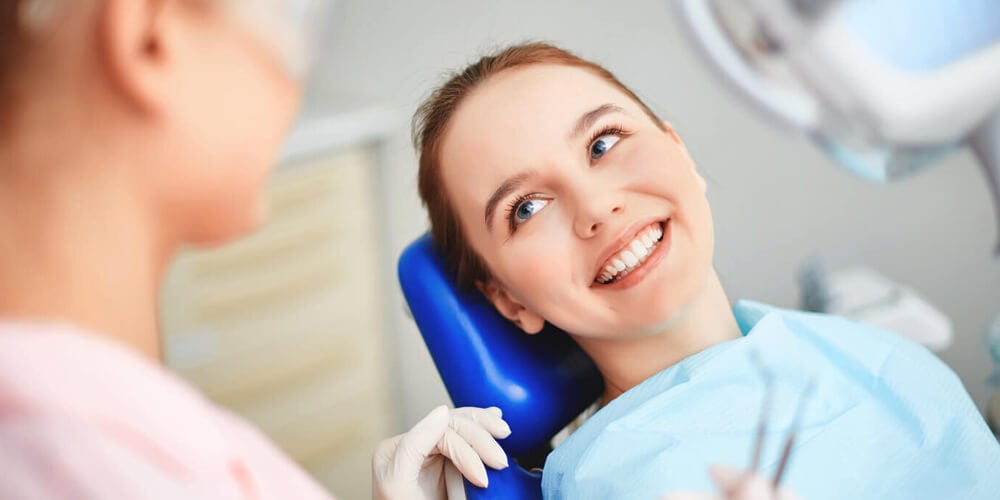
Dental restoration treatment in Turkey is presented with an objective, evidence-based, formal tone, emphasizing clarity and scholarly rigor; the article integrates the specified keywords throughout while maintaining a consistent academic structure. Restorative dentistry is a vast area of dentistry focusing on teeth damaged by caries, trauma, periodontal disease, systemic illness, or fracture that often cannot be treated conservatively. Restorative dentistry aims to return the damaged teeth—both structures and functions—as close as possible to the original situation.
Conservative or preventive approaches include prevention and/or treatment of caries and periodontal disease. Caries‐affected teeth can be treated using fillings (direct or indirect restorations) or glass ionomer cement restorations or can be restored using vital pulp therapy or endodontic procedures. Management of teeth damaged due to trauma or hypodontia (agenesis of permanent teeth) can be performed using adhesive bonding. Whenever teeth cannot be treated using conservative methods, interventional restorative dentistry Turkey is required.
This starts from tooth preparation to exacting technique-sensitive stages completed in the dental clinic and/or dental laboratory. First, tooth preparation creates space for an indirect restoration (crown, inlay, or onlay). Second, the preparation is recorded using an impression, and the working cast/die is prepared in the laboratory or digitally in a CAD/CAM process. The final steps include construction of an indirect restoration in the dental lab or digital process, cementation, and post-treatment instructions. Although the longevity of restored teeth depends on several factors, including the position of the restoration in the dental arch, strong occlusal forces, and bruxism, the life expectancy of properly cared for restorations is high—approximately 70% for direct fillings, 83% for dental crowns Turkey, 89% for inlays/onlays prepared from composite, and 97% for porcelain and zirconia restorations. More advanced constructs, such as fixed or removable partial dentures or complete dentures, have also been shown to improve the quality of life for patients with complete edentulousness.
Restorative dentistry Turkey aims to bring teeth back to a healthy state, focusing on tooth preservation, maintenance of dental tissue integrity, and restoration of size and function. An academic overview of restorative dentistry Turkey is relevant due to the country’s rising prominence in dental tourism, emphasised by international reports indicating that the majority of local restorations are performed for foreign patients. Growing interest in Turkey as a dental tourism destination, and consistently high levels of restorative treatment in the local population, justify consideration of restorative dentistry as an independent academic subject.
The development of restorative dentistry Turkey has been driven primarily by technological innovation and dentists’ desire for independence from dental technicians. Historically, the field has been shaped by advances in conservative restorative methods, whereas the distinctive features of contemporary restorative services lie in revolutionary changes to prosthodontics and periodontics. The breadth of these new approaches is reflected in an increasing trend towards implantology. Because Turkey has become a leading location for dental tourism—catering primarily to patients seeking dental restoration treatment—an objective evidence-based overview of restorative dentistry Turkey is timely.
To establish a conceptual framework for the discussion, several key terms are defined first. Restoration. In dentistry, restoration is defined as “the act of restoring a damaged tooth [or teeth] to its original shape and condition” or “the process of restoring a tooth or teeth by means of filling, constructing crowns … or by other specialized techniques.” The American Dental Association recognizes restorative dentistry as “the dental specialty … concerned with the diagnosis, prevention, and treatment of diseases of the dental pulp, tooth-supported structures, and the associated tissues.” Surgery is defined as “a branch of clinical medicine that deals with diseases, injuries, and deformities by manual and instrumental operations.” Thus, surgery uses instruments to correct or treat injury or defect. Dental restoration is the practice of treating damaged oral structures by either surgical or nonsurgical means through restorative procedures. Dental restoration treatment is the set of diagnostic, preventive, and interventional procedures performed to replace lost tooth structure. Restoration procedure is the performance of a specific treatment.
Second, the normative conditions leading to the call for treatment are discussed. Patients are referred for restorative treatment when the self-cleansing mechanism of the mouth is disturbed, making food accumulation possible, and patients cannot correct this situation by themselves. The diagnosis underlying the referral can be caries, attrition, erosion, expansion, sealing-off of teeth by dental calculus, or health problems that disturb the chewing comfort. Such health problems include pain, chewing and speaking difficulties, food accumulation and stagnation, or unsatisfactory aesthetics, which are often a source of feeling unwell.
How can restorative dentistry practice in Turkey be overviewed objectively, from historical milestones through the present landscape, typical indications for restorative care, treatment types, procedural steps, benefits, costs, quality, and patient experience? These questions are addressed with an approach that articulates answers and rationale clearly, draws on established evidence, and emphasizes academic rigor throughout. An overview format is adopted to facilitate assessment of restorative dentistry Turkey through a global lens.
Restorative dentistry is a global specialty that focuses on restoring teeth and their supporting structures and protecting them from further damage. It encompasses caries treatment, periodontal cavity closure, non-vital tooth treatment, and management of fractured teeth and edentulous spaces. All restorative procedures share the common objective of restoring teeth or their supporting structures to a healthy and functional condition, either by direct or indirect means, using a material suitable for each presentation.

Restorative dental treatments restore dental tissues and reintegrate the teeth into the stomatognathic system. By definition, a restoration should return the tooth to its original shape, contour, and function, considering the functional and aesthetic relationships with surrounding teeth, periodontal tissues, muscles, and joints of the temporomandibular system.
Dental restoration treatment in Turkey is offered in different environments and by a variety of stakeholders. Hospitals with dental departments, oral and maxillofacial surgery clinics, private practices, and dental clinics all provide restorative care. A considerable portion of the restorations offered in Turkey is performed in dental clinics that deal with patients on a daily basis. However, smile design, aesthetic and functional restorations, and digital dentistry are mostly performed in private practices. The regulatory framework surrounding dental restorations in Turkey is governed by the Ministry of Health, which oversees the broader health system, and by the Council of Higher Education.
Restorative dentistry in Turkey began humbly, with dentists damaged tooth repair Turkey inflicted by the conditions of life in the Ottoman Empire. However, in the second half of the 20th century, dental colleges began to be established, restorative treatment literature became available, and the use of dental materials improved so that the restorations used became more accepted and successful. Since then, the field has continued to evolve, particularly with the acceptance of implant restorations into routine practice. After years of pruning, restorative dentistry Turkey has achieved a golden age and expanded within an international context.
Dental restoration treatment was performed in Turkey long before the first dental colleges in the country were established. Natural disasters and wars brought pain and suffering to the people of that region for centuries. During the Ottoman Empire, people lost their teeth early and often. Injuries and accidents caused a large percentage of the population to lose one or more parts of their teeth and jaws. Streets were crowded with injured people. Very few dentists were available to help these suffering people.
In Turkey, dental restoration procedures are carried out mainly in private clinics by specialist dentists (usually prosthodontists or restorative dentists), in collaboration with dental technicians. All restorative and preventive treatments (apart from orthodontics) are also available at the Ministry of Health hospitals and oral and dental health centres, as well as being taught at private and public dental faculties. Orthodontic treatments are provided only at orthodontic clinics and at private or public dental faculties.
Dental restoration treatment is regulated by the Ministry of Health, the same body that oversees the full range of treatments offered by dentists in public hospitals and oral-health centers. Dental faculties must also be accredited by the Higher Education Council (YÖK) to issue diplomas and diplomas recognition. Private clinics are less formally regulated: each dentist must bear full responsibility for their practice; however, the Chamber of Dentists and Oral Surgeons monitors and logs revenues and outcomes to ensure appropriate practice.
Regulatory oversight for dental restoration treatment in Turkey is the responsibility of the Health Ministry, which enacts laws and regulations governing public and private dental practices. Implementation is under the jurisdiction of provincial health directorates, which are also accountable for monitoring compliance with health standards, and of the relevant professional chambers. Turkish dentistry is administered by the Council of Higher Education, which has accredited approximately 40 dental faculties worldwide. The faculties deliver a five-year, government-subsidised education. Graduates must work for at least two years in a public or private dental service institution in Turkey or a developing country before being allowed to practise privately in Turkey. Dentists with private practices must be members of the Istanbul Dental Chamber (IDC), which has established standards for accreditation and licensing.
Restorative services are provided in dental faculties, public hospitals, private hospitals, polyclinics, and private practices. Public dentistry has a significant share in restoration treatment. According to the IDC, private practice comprises approximately 93% of the market share, and about a 60% share of dental patient care. The dental treatment market in Turkey consists of public, university, and private institutions. Some patients overseas travel to Turkey to avail cost-effective dental restoration services worldwide.

Restoration need is determined by demographics and clinical factors, including dental trauma occurrence. Tooth loss due to caries or periodontitis is the primary reason for restoring teeth, but a range of processes can inflict damage, especially during childhood. Treatment decisions consider underlying damage causes and involve patient choice.
Dental restoration is indicated after complete damage remission to restore muscular balance. In addition to gynecological, dental, or skin-tempered health, hysterical paroxysms may influence the need for therapy. While anatomy is often defined as determining restoration type, it is not considered a decisive factor. After considering etiological factors, a team composed of one or two specially trained members normally presents the case to a selection board, which conducts a preliminary examination. A proper restoration should be carefully considered, passing through all preparatory steps and causing at least some strain within healthy limits. Restorations should be located where the most favorable circumstances permit the application of the methods of sculpture or grafting with the least additional efforts.
Advances in oral medicine and dentistry have improved tooth loss prognoses, allowing to maintain a higher number of teeth. It is predicted that by 2025 fifteen to twenty percent of the population will be totally edentulous, while nineteen to twenty-five percent will have fewer than four teeth. A search in PubMed shows that studies conducted on a sample population of individuals examined in Turkey, with a central aim of evaluating the reasons for tooth loss and surgery since 1934, have been published almost every decade. The results indicate that about seventy-five percent of dental losses were caused by periodontal disease, indicated by nearly half of the authors. Dental caries followed as the second most important reason. Analyses of patients suffering dental caries or periodontal disease caused due to metabolic disturbance mostly resulted in need for restoration after comprehensive examination. Non-carious tooth lesions mainly observe in older adult patients; caries restoration, composite fillings, or advanced procedures like veneers and crowns have been prescribed. It was claimed in an important portion of cases, to keep stripping the buccal surface of teeth for aesthetic purposes.
Elderly patients mostly indicate with satisfactory prosthetic function; young and middle-age adult patients are usually directed toward aesthetic medicine; and teenage patients mostly request aesthetic gingival surgery. The anatomic forms of the teeth are also vital for these patients. No matter how strong and healthy the teeth are, if they are not aesthetic, it may cause an unhappy patient. Therefore, the psychological effect of aesthetic restorations must not be neglected. When the loss of a tooth cannot restored by any sort of reconstruction, the dentist decides to extract the tooth. Restoration of severely damaged teeth without extraction is only possible and practically successful when there is sufficient remaining tooth structure. When roots are not involved and more than half the clinical crown is intact, postoperative treatment records present a reliable and successful technique with long-lasting results.
Numerous factors are likely to cause either tooth loss or damage among an adult population. These include dental diseases (e.g., caries), dental trauma (e.g., accidental injury), periodontal diseases (e.g., gingivitis), dentine dysplasia, amelogenesis imperfecta, metabolic diseases (e.g., diabetes), neoplastic diseases (e.g., tongue cancer), and lifestyle choices (drinking alcohol or high-sugar drinks). In Turkish society, smoking, and the consumption of tea, alcohol, and sugar-sweetened beverages are habits to consider when planning restoration treatments. Oral diseases are among the most common conditions. Around the world, although heart diseases, strokes, respiratory diseases, and hypertension are the top four causes of deaths, cancer is second to only AIDS in younger populations. In the Turkish adult population, periodontal diseases are among the main health problems. Moreover, nationally and internationally, dental traumas are the most common aged-related injuries in the first two decades of life. Other common factors explaining tooth loss include poor oral health care, sexual differences, and educational level.
When decision-making for restorations with patients, the dental team should consider a range of factors. In children and adolescents, restorations must usually be planned in conjunction with their growth. For instance, the devitalization of teeth with non-vital pulp before root treatment and the application of other restorations should be examined for changed behaviour in the dentition. For the elderly, restorations on lost teeth should be evaluated from a functional aspect, namely speaking and chewing comfort. With adults and especially those aged between 30 and 45 years, a comprehensive view must be adopted due to possible lifestyle behaviours, e.g., smoking and drinking. The opinions and demands of patients should also be important determinants in selecting interdental restorations. Detailed joint planning relative to the patients’ expectations strengthens dental communication and avoids unsuccessful treatment.
While the need for restoration is readily determined in a clinical setting, clinicians should encourage patients to discuss their interest in restoration and support informed shared decision-making. Standardized general and clinical population surveys could identify patient-centered determinants for interest in restoration. Various factors commonly influence the restoration decision, including: patient motivations for dental treatment; general health; time availability; perceived ownership of teeth; future life expectancy; socioeconomic status; education level; interest in aesthetics; social environment; and mood. Patient-centered approaches and shared decision-making can better identify patients who wish to restore damaged teeth and engage them in the treatment process. A healthy motivation for restoration and patient can be beneficial.
Attempts to restore damaged teeth inevitably reflect the clinician’s bias and ponder the value of restoration given the degree of required tissue loss and the rest of the dentition. There is little clinical consensus regarding the need for restorative treatment in older adults with already reduced dentition.edentulous patients with unfavorable conditions and non-restorable teeth often consider restoration, especially if advised by other people and their dentist. In general, patients prefer a conservative treatment approach; the impact of aesthetics, side effects, future problems, financial considerations, treatment duration, and age reduces the wish for restoration.
Mortality and growth indices attribute a large number of deterioration of structures of teeth. Everybody might assume that human dentition structure shares common characteristics; and alternative to lose a tooth, persons might prefer the restoration of a structure in a conservative and cheap way. To circumvent a pathology of dentition, it is better to eliminate and damaged tooth repair Turkey in a concise way. Beak have soft food, but human being’s dentition structure tolerate hard mascatory. Human dentition is priceless because it is the hallmark of beauty and health. An extraction is a trivial work for dentist, but the damaged tooth repair Turkey is gold for dentist.
Current conservative or preventive forms of treatment are fillings, onlays, and dental crowns Turkey. A filling needs preparation of cavity, but it is a minimum reserve of tooth tissue. An onlay needs a preparation of cavity with a wall as shape of a crown and need a dental stone cast for makeing a gold or porcelain body. An onlay is able to occlude have less than three walls and doesen’t need cement. A dental crown is a substitute of the erased tooth neck, like the beak of a bird. The indiarubber in paste form has the ability like the middle of crown in dentition. Paraffin wax is soft and similar to the tissue of teeth. With torches like Elatone or Epoxy, any artificial teeth are possible. Any hollow space is a process of adaptation because boundary surface is smooth. The artificial teeth of any size, shape and structure restore any removal of structure. Temples of an expensive insulating material protect against very high temperature.
In complex form of treatment, when a tooth loss the connection with the neighbour one, a dental bridge or a denture are solutions. A digitalized bridge needs implants and a denture is an extreme solution. As damage teeth disturb phonation or purging and any tooth disturb mastication, these are solutions in different ways. The modern computer in clinic facilitate to a dentist the designing works for all the constructions. All the dentition structures are ready for all the functions of a dentition.
Restorative control can be conservative and preventive. Conservative restorations include sealing teeth affected by incipient caries or enamel hypoplasia, as well as tooth reshaping to eliminate enamel-fracture facets without pulp involvement. Preventive therapy encompasses fissure sealing and the artificial alteration of the geometry of Dental caries predisposing teeth. Application of fissure sealants (resin or glass ionomer) reduces early stages of dental caries on occlusal surfaces. The choice of material is based on clinical trials confirming retained sealants with glass ionomer cement on nonloaded teeth. Fissure sealants do not remain functional in the presence of dentinal caries and should be used in conjunction with appropriate periodontal treatment. Surgical restoration of occlusal surfaces requires control therapy. A recent study suggested that altering the occlusal surface of premolars may help control early stages of dental caries. The authors proposed selective grinding of early stage carious dentin with no pulpal exposure in teeth with incipient lesions for preventing the presence of shallow dentinal caries.
Tooth-colored filling materials now are widely used in anterior teeth restorations. When specific chemical and physical properties meet with an adequate resistance to the occlusal force, bonded composites can be also used in molars. A large number of studies demonstrate that the success of these restorations is related not only to the material used but also to the dentist’s ability and clinical management. Restorations in posterior teeth with these materials date back to the mid-1950s. Conventional glass ionomer cement (GIC) is still a good material to restore class V cavities, where aesthetics is not so important. The success rates of glass ionomer restorations in class V lesions are similar to those of resin composite restorations, and the operative technique is easier, especially in a pedodontic practice. The established relationships between the occlusion and wear, the biomechanical function of teeth, and adhesive restorations in the posterior region have not yet been completely satisfying.
Indications for interventional restorations include organic tissue loss that goes beyond what preventive treatment can restore and cannot be addressed by conservative techniques. Conservative restorative treatments do not aim for complete integration with the remaining tooth structure; interventional restorations are often cavity preparations that require the use of a filling material resistant to physical, chemical, or biological stressors that goes beyond adhesive dentistry. Several standardized technical options are available.
Inlays/Onlays are increasingly popular among restorative dentistry Turkey techniques. They are indirect restorations produced outside the oral cavity, generally made of ceramic materials, glass-infiltrated ceramics, or composite resin, combining the advantages of direct restorations and full dental crowns Turkey. Laboratory-made resin composite restorations have a long history of clinical success, but ceramic inlays are now recommended over composite resin inlays and traditional inlays or onlays in the molar area with a clinical lifespan expectation of 10 to 15 years. Indications for Override Inlays/Onlays exceed normal volume reduction and additional retention and retention resistance. The advantages and disadvantages of Inlay and Onlay restorations must be evaluated in relation to existing tooth cavities and personal preferences. Although the bonding procedure is more time-consuming, it is essential for performance in the posterior area. Rbbg placed in single elements demonstrate more favorable long-term results than conventional indirect Metal-ceramic constructions.
Advanced restorative modalities enable treatment of extensive or complex damage in one or several teeth, often involving the application of prosthodontic principles. Restoration of endodontically treated teeth with a post-and-core-retained crown fulfills biomechanical and surgical requirements optimal for these teeth. Dental implants constitute an alternative for a tooth loss caused by trauma, heavy caries, or a failed endodontic therapy. Several advanced restorative modalities can be carried out in a digital workflow. They include both the integrated applications of intra-oral scanning or impression taking, virtual design, and computer-assisted manufacturing of dental restorations in dental laboratories with Computer-aided design and Computer-aided manufacturing, and services offered in express mode with concierge services.
Functional commitment, esthetic result, durability, wear management of antagonists and restoration, along with maintenance, require being consulted with and being implemented by an interdisciplinary team of specialists like, Oral and Maxillofacial Surgeon, Coordinator Prosthetic Dentist, Periodontist, and Orthodontist.

Pre-treatment assessment, diagnosis, and treatment plan are conducted separately or jointly by the restorative dentist and the referring clinician according to their collaboration form. The selected approach and proposed restoration’s complexity guide the extent of additional diagnostic records such as study models or X-ray images.
Standard dental practice recommends local anesthetic during restoration preparation to minimize discomfort. All procedures require the dentist’s full attention; interruptions should be restricted to avoid mistakes. The prepared tooth surface is cleansed with air, water, or hydrogen peroxide, and dry-heating eliminates water from dentin. Separate bonding systems are available for enamel and dentin.
Two parameters determine bond strength between restoration and tooth structure: type of adhesive used and moisture level at bonding application. Furthermore, most systems feature a teeth-matching component. Acids create microporosities in enamel and dentin for mechanical retention and enhance bond strength by producing, dissolving, and removing smear layers. The tooth surface is coated with liquid adhesive and light-cured, or two-component adhesive is applied with dedicated brushes for dentin bonding. A ten-second clamp holds the prepolymerized composite in place while the restoration’s lip is filled with one of the two-choice flowables. For posterior teeth, enamel-plus is recommended. When the isolation sequence is inverted, heated high-viscosity composite is preferably retained in the restoration’s labial wall for a minimum aesthetic result.
An accurate diagnosis requires the careful consideration of potentially contributing factors. A patient-centered evaluation reveals the individual’s experiences, preferences, expectations, and emotional state, providing valuable information for the clinician. Disease-related factors encompass the type, extent, and localization of the damage; the patient’s age and medical history; clinical and microbiological assessments of caries; and the presence of noncarious lesions. Dento-osseous factors include teeth placement, alignment, and occlusion; their periodontal status; and the amount and composition of saliva. Restorative dentistry must ultimately ensure the effective biomechanical performance of restorations during normal use, while still aiming for a natural appearance that behaves and ages like teeth and provides a satisfying experience for the individual.
In complex cases, the use of a treatment plan can ensure a systematic analysis of all factors and enhance communication with the patient. The plan can both define the different treatment phases and allow articulation of a fee structure that adjusts to the patient’s ability to pay. Nonetheless, common-sense clinical judgment often suffices in everyday practice. External factors such as the patient’s appointment frequency or the clinician’s style of practice can help determine which aspects of a careful analysis may be omitted or considered in greater depth.
The choice of anesthesia for a dental procedure depends on the intended surgery, extent of the surgical area, level of patient anxiety, and preparation time. Most routine dentistry is performed using local anesthesia. The injection site is carefully chosen to minimize pain during the procedure. The dentist option to use topical anesthesia to alleviate discomfort. Local anesthesia renders the area insensitive to pain, and injected blood vessels are temporarily constricted, allowing for longer pain-free operation. The introduction of local anesthetics with vasoconstriction significantly reduced discomfort.
Due to the nature of dental procedures, the patient is cognizant and cooperative, allowing for dialogue with the dentist. Nevertheless, its effectiveness in suppressing anxiety is limited, especially for surgical procedures beyond second molars. Sedative agents administer intravenously and inhalation of nitrous oxide commonly used to enhance relaxation. General anesthesia used mainly for complicated surgery in uncooperative patients, especially children. Longer, more complicated procedures can safely performed.
Technical processes of the restoration procedure depend on the selected material and type of excavation. Some approaches, such as the application of composite resins in the anterior zone, are highly technical and run a risk of aesthetic failure, while others, such as indirect restorations, are time-consuming and require the cooperation of a dental technician. When treating posterior cavities, broader indications for temporary restorations, composite resins for small cavities, and no-preparation porcelain veneers are among less demanding options.
Selection of materials is determined by functional and aesthetic requirements, with respect to teeth-to-restoration ratio, cavity size, the extent of coronal dentine and enamel loss, and potential chewing stress. Some manage to consider additional criteria beyond those customarily in use and design materials and techniques specific to the populations concerned. The mechanical properties of these materials are superior to the conventional metallic ones, but the survival of the restoration remains lower.
Taking into account the type of restoration, additional appointments may be needed for temporaries, occlusal adjustments, or selection of shade and contours. After completion, all restorations need to be checked and adjusted for occlusion and interferences. All restorations should be flossed into place. Clear, objective instructions need to be given to patients, particularly with regard to postoperative temperatures, salivary control, home-care techniques, biting and chewing comfort, rough overall surface of restorations, and the need for regular visits. If mouth-rinses are used postoperatively, their content must be checked. Restorative treatment planned for a limited area should consider the occlusal view as well as the bucco-lingual arch form. Restoration durability and longevity are determined by several factors. The main factors can be grouped into four categories. These categories are related to the operator, restorative material, patient, and environment. Of these, the operator is the most influential.
Appropriate shade selection is necessary to ensure that restorations are aesthetically pleasing in addition to being functional and durable. A systematic approach to shade selection can help achieve an optimal match. Due to the nature of the process, shade matching should not be left solely to the dentist’s experience. Equally, a multistep selection process, whereby more than one individual assists with the shade selection, has been shown to improve match quality. The choice of instrument for VITA shade selection should be carefully considered. Light reflection and contrast against the tooth being matched are crucial. For colour vision assessment, the Farnsworth-Munsell 100-Hue Test remains the gold standard against which other tests are validated. While the failure of direct resin restorations in posterior teeth has been attributed to pulp inflammation and microleakage, tooth wear has emerged as an important cause of failure in anterior teeth.
Functional analysis of restorations integrates decayed teeth and other losses into a general biomechanical model of teeth and adjacent structures, with the aim to optimize the occlusion. Shape and influence of restorations on forces are included, permitting the optimization of restorations by reducing occlusal stresses in adjoining tissue. The success of a restoration is determined chiefly by its quality and fit to remaining dentition, and is built in such manner to provide long-conforming service, damaged tooth repair Turkey or replacement often not being possible without additional treatment, such as endodontics. For such restorative procedures, there are no contra-indications; on the contrary, the survival, esthetics, and dental function are necessarily improved.
A more conservative approach should preserve as much healthy dental section as possible; however, deeper and wider preps in dentin give more retention and resistance to the restoration so that loro’s equation still applies, often producing restorations that do not wear at all. Psychosocial impact of dental restorations has been investigated, and positive effects on self-esteem, personal relationships, economic, and professional aspects are detectable. Aesthetic perception favors composites rather than metals. Longevity and durability are determined by the operator and the technician besides by the clinician’s ability to create patient-specific restorations, maintaining the concept that “everything must be homogeneous”. Properly-scheduled care should ensure performance of all restorations for many years.
Tooth restoration Turkey prevents movement of adjacent teeth, which risks functional, aesthetic, and health consequences. In people with full dentition, the actions of the opposing teeth affect forces acting on each tooth and its supporting structures. The prevention of tooth loss through restoration is therefore useful in terms of mechanics. The mastication process includes the lateral excursions of the jaw on both sides for grinding and crushing food. It is determined primarily by the canine guidance but is also influenced by the posterior occlusion. The combination of lateral excursions of the jaw with progressive simultaneous occlusion of increasingly distal teeth supports dental structure integrity by minimizing excessive forces on the teeth. For individuals with dental defects, analysis of their occlusal scheme is essential to identify the best procedure and material for restoring lost or damaged teeth. Restorative treatment allows the patient to return to an acceptable level of quality of life, although ideally the treatment should help the patient regain normal dental function.
The masticatory system has its own specific biomechanical system, and the restoration of any lost anatomical structure has to be based on proper functional and biomechanical principles so that the restoration endures during dental function. For partial dentition, the restoration should withstand the force of mastication in the same way that a natural tooth would. It is crucial to maintain the correct occlusion. Restorations that are not in occlusion do not contribute to efficiency of mastication, expose adjacent teeth to lateral forces, and tend to drift into the edentulous space. On the contrary, restorations in occlusion communicate vertical force to the supporting tissues. They remain stable in position, resist lateral forces, prevent the movement of adjacent teeth, and confer an aesthetically pleasing appearance.
The aesthetic component is a distinctive characteristic of dental restoration treatment. Restorations in teeth in the visible area of the oral cavity have a decisive influence on dental esthetics. Esthetic aspects of restorations of all types are with special importance for the patient and the dentist. Esthetic considerations involved in selecting restorative materials are especially important.
The most common lost dental function system and the most important form of smile rehabilitation is the restoration of the missing teeth using dental prostheses. The presence of missing teeth has a profound influence on the chewing, phonetic, and esthetic functions of those affected. Changes that are introduced into the occlusal and dental relations invariably exert an influence on the other components of the stomatognathic system, ultimately leading to a greater dysfunction of the system as a whole.
The perception of altered appearance and the restoration of dental function can be determined by patient-centered considerations. A loss or alteration of oral function may lead to discomfort during talking, eating or swallowing, and a loss or alteration in appearance may result in social avoidance or anxiety. Furthermore, increased awareness of oral health and appearance has encouraged a greater willingness among the general population to undergo restorative treatment.
A successful dental restoration is expected to last several years, but patient satisfaction largely depends on the longevity of the restoration. Factors influencing the durability of restorations include the characteristics of the tooth structure to be restored, the quality and preventive measures of the patient, the material used, and the type of restoration. On the other hand, in restorative dentistry, regardless of the material used, the training and experience of the dentist play a critical role in determining restoration longevity. Dental restorations are susceptible to the same type of failures that occur in natural teeth. Majority of the trained dentists are able to adequately prepare the tooth when restoring different cavity classes, but the longevity of the restorations is dependent on factors such as the operator’s hand skill, knowledge of material and his diagnostic ability. These parameters were also confirmed in a previous study where dentists with more than seven years of clinical experience rated the longevity of restorations lower than the rest.
Dentists with exceptional hand skill were found to produce restorations of high clinical quality in a private office practice. Therefore, although the material is important in determining the longevity of restorations, the skill and experience of the operator cannot be undermined.

The cost of dental restoration treatment in Turkey is an important consideration, not only for potential patients, but also for dental professionals and dental tourism stakeholders. The most obvious factor affecting treatment price is the extent of the restoration—which tissues need to be treated? Any additional elements, such as a preceding endodontic treatment or a later partial prosthesis, of course, also contribute to the overall cost. Within the various treatment categories, the selected materials, methods, and techniques will also have a sizeable impact on price. Aesthetic restorations are more expensive than conventional restorations, and the use of all-ceramic restorations is more expensive than metal-ceramic ones.
Important background about these price determinants is provided by the price list from the Dental Faculty at Hacettepe University in Ankara. Patients from abroad may benefit from significantly lower treatment costs than those available in their own countries. However, cost should not be the only factor when considering treatment abroad. It is important to prioritize quality and functionality while remaining aware of price differences, which may offer insight into the fairness of charges. Price is not an indicator of quality, but measurable factors in performing these restorations may predict lifespan: the level of dental education, years of professional experience, and the number of restorations performed are all positively correlated with longevity.
Dental restoration treatment may be partially covered by some health insurance policies. Patients should contact their health insurance companies to clarify details. Treatment costs should also therefore be compared with similar interventions in the home country to determine if the prices in Turkey represent a good deal, taking into account travel, accommodation, and all the other costs associated with combining treatment with a trip.
Restorative dentistry is traditionally positioned at the overlap of demand and supply curves, with cost as the determinant for the preferred dental treatment. A fundamental economic principle states that, all other factors being equal, consumers will prefer to buy less of any good or service at a higher price than at a lower price. Accordingly, restoration costs are usually influenced by chemicals, laboratory fees, equipment used, experience, quality of work, and time; however, price does not directly equate to value. In addition, demand and supply do not perfectly match, and disappointing restorative results have been achieved even when the highest-cost materials have been used, thereby emphasizing the importance of experience and quality of work.
The price of dental treatment, especially dental restorative care, is an incessantly debated issue. An overview of dental systems worldwide emphasizes the concerted effort by certain European countries to develop and improve dental insurance coverage for the population through the introduction of dental checks, reduced costs for patients, and quality standards for dentists. In Canada, pricing is determined by provincial and territorial governments; most dental services are not publicly funded, so patients pay directly or through private insurance and the prices of private dental services are usually set according to “usual, customary, and reasonable” concepts. In Mexico, dental care is provided by private practitioners and dental schools, with the prices of dental treatments varying depending on the socioeconomic status of the area where the dental clinic is located.
Cost–value–outcome relationships for dental restoration are complex. The key consideration is greater value for money, with access to quality care the necessary prerequisite for optimal dental health. Cost alone should not dictate choice of provider, whether treatment be undertaken in a high-income or destination country. The fundamentals that determine success remain constant, irrespective of location or price. The low-cost destination model provides essential information to patients in developed countries for whom access to dentistry is an increasing problem. News media portray cost equals quality perceptions amongst patients who have travelled to Turkey for dental work. These patients are more inclined to share experiences on social media.
Price in dental restoration treatment frequently comes under scrutiny. It was suggested that price, quality, and health outcomes are global concerns for dental tourism. Turkish dental practitioners have sought to promote the level of restorative dentistry Turkey through international journals. The promotion was casually dismissed as voicing opinion. Though price was not emphasized, the authors did present a credible case, grounded in clinical principles, that can be summarized in eleven concise points. These points stress that factors such as dentist training and experience, clinic infrastructure, infection control measures, material quality, and warranty provision naturally determine the cost of care. When assessed separately, materials used in dental restorations were shown to be cheaper in Turkey than Spain.
Access to dental restoration treatment in Turkey is generally good, especially in major cities like Istanbul, Ankara, and Izmir. Several factors contribute to this level of accessibility. Unlike in other countries where patients seek treatment from private practices only when public hospital treatment is unavailable, many Turkish citizens attend private operators regularly. Dental services in Turkey are much more affordable than in other developed countries, even when care is provided by highly trained professionals. Price-sensitive Klout patients combine holidays with dental work abroad and often report that the cost of tourism—including holiday cooking, dining out, and various day excursions—is cheaper than comparable dental treatments in their home country, which may include higher but still lower-quality priced services.
Funding and reimbursement coverage for dental restoration treatment in Turkey are provided through the universal health insurance package (general health insurance coverage), although the range of restorative care is very limited. The capping of prices offered by the government limits the earnings of operators willing to take on the patients and, at the same time, makes patients turn to the private sector willing to pay a little more for a better service. Nevertheless, even in the private sector, prices charged by dental clinics offering dental tourism packages are often covered by dental travel insurance, which provides an alternative means of financing dental treatment overseas.
Serving as a hub for both leisure and medical tourism, Turkey boasts diverse natural resources complemented by a vibrant cultural heritage. While primarily focused on tourism, the health sector has also witnessed a significant influx of international patients seeking treatment. Turkey has established a solid reputation in various medical fields, including cardiology, orthopedics, plastic surgery, and more recently, in dentistry. Despite high quality standards, the relatively low cost of treatment and short waiting times make Turkey even more attractive to medical tourists.
Restorative dentistry Turkey attracts particular attention. Several studies evaluate treatment quality and results, with good outcomes associated with durable restorations and pre-treatment diagnoses and plans. However, the diverse economic conditions in Turkey also shape restorative practices and patient management levels. Some dental restorations are indeed performed at low cost; nevertheless, many clinics guarantee high quality at a modest price. Proficiency levels in prosthesis and restoration fabrication are high, so patients are normally satisfied. Moreover, the combination of affordable prices, indicating an acceptable ratio of price versus quality, has further enhanced Turkey’s reputation as a destination for restorative treatments.
Clinical quality indicators represent the core of a patient’s evaluation in any health system. Various accreditation organizations, both internally in Turkey and abroad, monitor these quality indicators and measure their findings against overall indicators. A patient’s safety, the number of infections, and the length of stay following an operation are some aspects of quality indicators that need to be correctly monitored. The Ministry of Health is responsible for monitoring the quality of services provided by public and university hospitals. An important aim related to quality of care is to decrease the number of dental treatment-related injuries and infections. These injuries and infections are carefully monitored and compared to average values. The more complex the hospital and the types of operations, the higher the number of expected injuries and infections. Although the expected amounts of injuries in dental treatments are increasingly lower than the past five years, they must still keep declining.
Acquiring information on the number of dentists per population in Turkey is another way of evaluating the quality of care. Turkey has a relative abundance of dentists per population. Nevertheless, it is still hard for patients to receive timely dental care, especially at public hospitals where waiting lists are long. The majority of dentists in Turkey are private dental practitioners. Their number is expected to continue to increase because of the demand for faster dental treatment and improvement in patients’ dental welfare. The quality of dental services in Turkey is currently considered to be good, with a dentist-patient ratio sufficient for the population.
Clinicians worldwide possess similar skills, training, and ethical standards, making their service offerings virtually indistinguishable. Nevertheless, procedural costs can still fluctuate widely, driven principally by local wages and business expenses. In many affluent countries, these costs have reached prohibitive levels, prompting a growing number of people to pursue treatment abroad. A fundamental question arises: how much should patients expect to pay to achieve a sound restoration? Dental restorations can be expensive, with annual charges often exceeding those of major items, including cars and vacations. But what justifies the financially taxing experience of these treatment-specific procedures?
Internationally, restoration prices vary significantly. Provided that the attending dentist is suitable for the procedure and that the material is consistent with the worldwide dental market, the criterion of quality has been met. For a cold-pressed ceramic veneer, for instance, one can find quotations of 450, 900, and 1,200 euros in the markets of Turkey, Dubai, and London, respectively. The natural safety boundaries of a costly surgery, even one that centers on sensation and aesthetics, are permanent and must not be compromised, even if secondary costs become more affordable. These variables must simultaneously interact to deliver a satisfactory treatment-specific value.
Patients seeking dental restoration treatment in Turkey can expect a positive experience characterized by foreigner-friendly services. English is widely spoken within the tourism sector, and airport and hotel transfer services are typically organized by dental clinics, ensuring ease of access and a streamlined patient journey from arrival to departure. Before treatment, patients receive detailed information through consultations, including explanations of the procedures, expected outcomes, and timelines. Accompanying individuals also have the opportunity to attend consultations. Post-treatment, patients are monitored through follow-up radiographs and phone calls.
Safety remains a paramount consideration, particularly in the context of the COVID-19 pandemic. Dental clinics in Turkey have implemented necessary precautions in line with international recommendations. The Turkish Ministry of Health has made requirements for dental clinic licensing and accreditation public and accessible. The Turkish Dental Association actively collaborates with related institutions and organizations to promote the health and safety of patients undergoing dental restoration treatment in Turkey.

The longevity of dental restorations varies by material, location, patient factors, and clinical implementation. Composite resin restorations typically last 5 to 10 years. Silver amalgams generally remain functional for 10 to 15 years. Porcelain and ceramic restorations usually survive for 10 to 15 years, while glass ionomer cement may last only 3 to 5 years. Clinical studies have shown that 81% of all restorations remain functional after 8 years, and more than 50% last for 12 years.
Tooth restoration Turkey relies on various materials, including silver amalgam, composite resin, porcelain, ceramic, glass ionomer cement, and resin ionomer cement. Silver amalgam and composite resin are the most frequently utilized for filling cavities or reshaping teeth due to their favorable properties, affordability, extensive experience among practitioners, and widespread availability. Each material type has its advantages and disadvantages.
In most cases, detected injury or loss of the tooth structure can be treated without extracting the tooth. Treatment planning involves assessing the extent of tooth damage, the condition of adjacent teeth, the ideal occlusion, and aesthetics. Such comprehensive evaluation enables the dentist to fulfill the patient’s wishes while restoring optimal dental function.
The duration of tooth restoration Turkey treatment is patient-specific and depends on the type, number, and location of restorations. Simple processes such as filling small cavities or constructing small dimensional additions may be completed within one visit and range from 20 minutes to 1.5 hours. Complex treatments may necessitate multiple appointments over several weeks.
The time required for dental restoration treatment hinges on several factors, including the type of required restorations, their number and location, the presence of pre-existing conditions that need to be addressed, and the need for a temporary restoration. While much restorations can be completed in a single session, treatments for extensive cases tend to be more protracted. For example:
– Duration: 60-90 minutes
– Duration: 60-120 minutes
– Duration: 90-150 minutes
– Duration: 3-8 days
– Duration: 2-4 days
– Duration: 3-8 days
The dental restoration treatment defined here encompasses procedures performed to recreate tooth structure following loss or damage. Although it is a central aspect of restorative dentistry, it is distinct from treatment commensurate with the specialty categorization of dental restoration. Restorative dentistry Turkey is described using evidence-based data, with supporting concepts drawn from clinical practice and experience. The profile of restorative dentistry—its purpose, settings, professional regulation, and accreditation—establishes the problem area.
Restorative dentistry satisfies a clinical need arising from deleterious events affecting tooth integrity. Loss or damage may compromise functional requirements, aesthetic demands, or other facets of oral health, and the need for restoration is thereby determined. The likely reasons for tooth loss or damage in an individual patient are established from demographic distribution, aetiological research, or clinical experience. This assessment is then combined with the patient’s personal motivation and desires, leading to a shared decision on treatment. Following a detailed planning phase, the relevant damaged tooth repair Turkey procedure is performed, generally with minimal intervention.
Five major categories of restorative treatment are proposed, based on the timing and mode of the dentine-enamel repair process in dental tissues. The first category comprises non-invasive preventive procedures. Conservative repairs to teeth—traditionally called restorations, but here termed conservative restorations—provide a second category. Extended reparative procedures, including pulp-therapeutic interventions, create a third. Prosthodontic interventions supply a fourth category, while the insertion of implant-supported restorations completes the typology. A single step of an individual procedure is described in detail, providing a condensed example of the author’s clinical protocols.