Root Canal Treatment in Turkey

Root Canal Treatment in Turkey for Tooth Pain & Infection
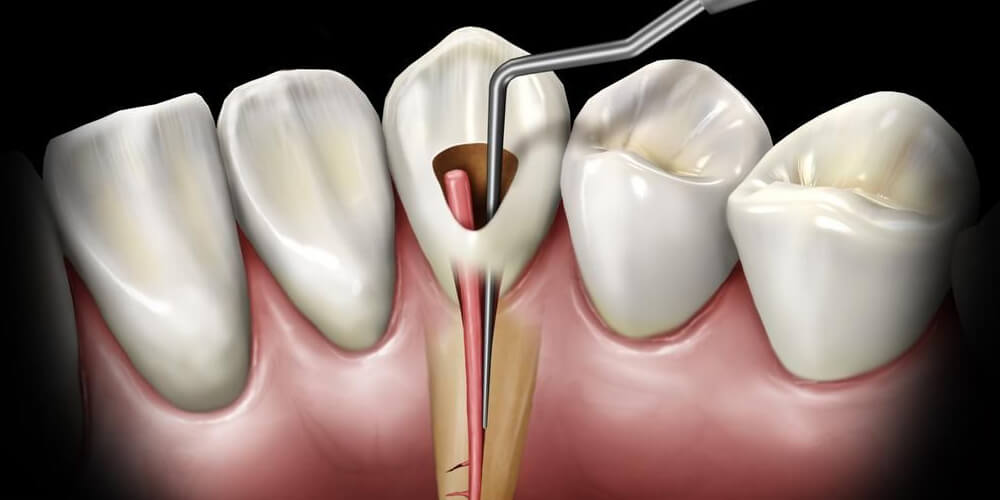
Table of Contents

Root canal treatment (endodontic therapy) is a dental procedure indicated when the dental pulp (nerve of the tooth) is infected. The procedure is performed under local anesthesia, involves cleaning the canals, and allows retention of the tooth, thus making it a viable alternative to extraction. Endodontic therapy is defined as a clinical procedure intended to treat diseases of the dental pulp and its associated periradicular tissues (apex of the root of the tooth). The need for the treatment can arise due to carious involvement with a symptomatic tooth, non-vital pulp, trauma to a tooth, swelling on the gums, or sensitivity to hot or cold that persists for a long time. Radiographs may show the need for treatment. Pain is not always present. Root canal treatment can be contraindicated in patients with severe systemic diseases or who are unable to maintain proper oral hygiene. Extraction is an alternative but disregards the biologic and functional benefits of retaining a healthy-to-good tooth.

Endodontic treatment Turkey has undergone extensive evolution since the ancient era, with a marked increase in knowledge and technology since the latter half of the twentieth century. Presently root canal treatment is performed in hospitals and in private practice either by certified dentists and specialists (endodontists) or general practitioners with appropriate accreditation. Clinical indicators for the treatment include prolonged pain, thermal sensitivity, swelling associated with the tooth, crown fracture, or fracture at the level of the gingival margin. Periapical radiographs typically show the sutures of the apex, teeth with non-vital pulp; sensitivity or pulp tests may indicate the need for treatment. The dental pulp is the most vital tissue of the tooth during development and before its full maturation; after maturation is achieved the pulp continues to play an important role, especially for sensor and biological functions.

What Is Root Canal Treatment in Turkey?

Endodontics (or endodontic therapy) is the clinical removal of damaged or infected dental pulp from a tooth followed by a cleaning, shaping, and obturation of the pulp chamber and canal system to prevent or manage apical periodontitis. Endodontic treatment Turkey is indicated in teeth with irreversible pulpitis or pulp necrosis associated or not; apical periodontitis; traumatic injuries; before the placement of dental implants in the anterior region, including the lateral incisors and canines.

Endodontics is not performed as a routine part of dental treatment. Usually, when possible, the infected tooth is extracted. Generally, endodontic treatment Turkey is a last resort, and the dental practitioner tries to convince the patient to have it done rather than extracting the tooth. The dental profession is considered morally bound to save the tooth. Primary teeth with irreversible pulpitis or necrosis but without radiological signs of acutitis, de Lemos’ third indication for endodontic treatment, should be extracted. A pain free tooth on the day of examination with periapical sensitivity is the best candidate not to have primary endodontic treatment. Alternatives such as extraction and placement of a dental implant with or without bone grafting are becoming more popular in selected anterior regions for both permanent and primary teeth.

Root Canal Treatment in Turkey for Tooth Pain & Infection

Introduction to Endodontic Therapy in Turkey

Root canal treatment or endodontic therapy is defined as the removal of the infected nerve from a tooth that has a pore leading into a periapical, usually infected, tissue. The Dutch phrase for this procedure is “a clean-up in the tooth,” as the goal is to clean the canal system and the apex as thoroughly as possible without removing the tooth. Infected tooth treatment is using this procedure instead of extracting the tooth. The procedure usually is performed under local anesthesia and results in less pain than the tooth itself. Patients can be anxious about when to seek treatment and whether the treatment is painful.

Root canal treatment is indicated when there is a periapical radiolucency. It has been taught that when a tooth cannot be saved by any of the standard treatments or when the proposed treatment has virtually no chance of success, extraction is the only treatment option. Pulp-testing results are useful to ascertain whether the pulp is vital. After performing a thorough history and clinical examination, it is essential to do a periapical radiograph and then perform a quality differential diagnosis. When clinical indications call for root canal treatment, the procedure involves a series of well-defined steps: (1) History and clinical examination; (2) Radiographic examination; (3) Access cavity preparation; (4) Canal cleaning and shaping; (5) Obturation; and (6) Definitive restoration. Following these steps to their logical conclusion usually leads to success.

Scope and Definitions

Development of dental pulp pathologies, with uncontrolled growth, can infect the nerve in teeth. Endodontic treatment Turkey is the procedure needed to deal with this infection. Endodontic therapy is medically defined as a treatment for diseased pulp tissue. In this regard, cleaning, shaping, and filling the canals of the teeth is necessary in order to stop the infection and to avoid extraction of the tooth. Local anesthesia is required during this procedure. The removal of infected pulp and healing of a donor area in the body (inflammation) are the factors that lead to the stopping and decrease of pain. After treatment, some side effects such as sense of pulled nerve, weak or unfamiliar taste, and similar issues may occur, and medication is frequently requested.

Endodontic treatment (root canal therapy) differs from tooth extraction. It is used when the pulp (nerve) of a tooth becomes badly decayed or inflamed and is a treatment to clean the tooth and stop pain as a result of inflammation in the body. Successful endodontic therapy eliminates pain and preserves the tooth by cleaning the root canal and surrounding tissues. For this reason, patients need to search for a dentist to detect their aches and to offer suitable treatment options. Persistent pain in a tooth that cannot be marked, swollen gum (giant) tissue, sensitivity to cold-hot beverages for a long time, a blunt traumas on the upper part of a tooth that has turned dark-colored–usually in a child–can give a signal that endodontic treatment Turkey is needed. In case of broken or depressed gum tissue visit, broken or depressed nerve-related problems in these tissues create a risk factor for endodontic treatment.

Historical and Contemporary Perspectives

With very few exceptions, practitioners who perform endodontic procedures in Turkey cannot claim specialized credentialing, but they have relieved the sufferings of countless patients. Within the public hospital system, basic endodontic therapy is considered a routine procedure and is performed in a variety of clinical settings. Minor surgical procedures such as gingival curettage and incision and drainage of intraoral and extraoral abscesses are performed under local anesthesia. Basic endodontic therapy is expected to follow accepted principles, including the assessment of pulpal and periapical status prior to treatment. Inconsistent data on complication rates, especially when reported by practicing dentists rather than resident specialists, raise concerns about the standard of care for more complex cases. Education and hospital systems must take these issues into account for the future. Although complications remain low and are better than with extraction, the high volume of service within the public system and the limitations of other options have resulted in a substantial number of complex endodontic cases being directed to centers of excellence where fewer than 1% require surgical intervention.

Because of the excellent results obtained, endodontic therapy is one indication for which patients will seek treatment outside their public health system. Health tourists travelling to Turkey typically require root canal treatment as part of a full mouth rehabilitation with the placement of crowns on all or most teeth. Many of these individuals have extremely poor oral health as a result of neglect, and the subsequent selection of cases in private practice may therefore be considered correspondingly biased because of pulpal malaise or disease associated with these lesions. The Cost Action group noted the need for corrective actions, particularly in dental surgery, to avoid further imbalances.

Symptoms That May Require Root Canal Treatment

Persistent tooth pain, sensitivity to hot or cold that continues after removal of the stimulus, symptoms of swelling (face, gums, or cheek), trauma to the tooth, and loss of pulp vitality are all factors that may necessitate root canal treatment. Pain is a normal protective response that can influence behavior. Temporary postoperative pain within the following 48 hours after endodontic treatment is a normal and expected symptom. It is helpful to inform the patient about this potential situation so he or she is not alarmed.

Dental pulp vitality tests consist of either an electric or cold test and aim to provide information about the condition of the pulp. Neighboring teeth should be tested to serve as a control. Negative vitality or periapical radiolucency with loss of the lamina dura on a periapical radiograph may indicate the need for endodontic treatment. A periapical radiograph should always be taken prior to root canal therapy. It provides the clinician with essential information about the tooth morphology, dental crown anatomy, periodontium, and relationship with the anatomical structures. If there are clinical or radiographic signs suggesting that the pulp is not vital, such as a draining sinus tract, entry of exudate into the canal on the first visit, a previous episode of acute apical abscess, or a periapical lesion, the dentist must carefully consider the need for a root canal in that tooth. The lack of tooth vitality is not, by itself, an absolute indication for endodontic treatment. Nevertheless, whenever loss of vitality is detected in an otherwise healthy tooth, it is recommended that the tooth be evaluated for endodontic therapy.

Symptom

Why It Matters

Lingering sensitivity to hot or cold

May indicate irreversible pulp inflammation rather than simple sensitivity.

Pain when biting or chewing

Can suggest inflammation around the root or a crack in the tooth.

Gum swelling or pimple-like bump

May indicate an abscess or drainage pathway from an infected root.

Tooth darkening after trauma

Can suggest loss of pulp vitality and need for endodontic assessment.

Deep cavity or broken tooth

May allow bacteria to reach the pulp chamber.

Clinical Indicators

Persistent tooth pain treatment Turkey with a lingering discomfort that lasts for several hours after exposure to hot, cold, or biting stimuli is considered a common indication of root canal treatment. Swelling in the adjacent mucosa/gingival region, especially if extending beyond the alveolar bone, is a prominent clinical symptom indicating such intervention. Trauma to the tooth, leading to discoloration or fistula formation, may also necessitate endodontic therapy, as may confirmatory pulp vitality test results. When conditions for tooth extraction are contraindicated, root canal therapy becomes the only alternate choice in treating teeth affected by non-vital pulp. Healing procedures for such pulp conditions are performed by either inclined general dentists or more specialized endodontist. Further, various undergraduate and postgraduate training programs are available in universities.

Diagnostic Considerations

Four diagnostic pillars for root canal treatment—periapical radiography, clinical history, clinical examination, and pulp vitality test results—serve to inform the but do not dictate treatment decision. Pulp vitality tests direct to response gradually prior towards toward towards root canal treatment. Generally, in patients with irreversible pulpitis and a limited pulp necrosis will arrest undergoing root canal treatment by means of pain-relief pharmaceuticals. root canal treatment is also recommended for teeth with non-vital pulp where pain medications went under proposed since the perforation may became possible.

Persistent tooth pain treatment Turkey with the diagnostic characteristics of irreversible pulpitis with or without pulp necrosis is the main indicator recommending root canal treatment as long as the patient position in clinical procedure can tolerate local anesthesia injection. Cases with irreversible pulpitis or dentin fissures close during by tooth trauma are also candidates for root canal treatment in the same session, despite local swelling. In non-vital pulp situation, otherwise, conservative treatment will expensive consideration until response of the disease to painkiller. anyhow clinical decision is always individualised.

In periapical radiography describe altered in periapical bone and surrounding tooth structure is concerning, however, they are not strictly ruling condition for proceed root canal treatment. Elimination of pain with non-steroid anti-inflammatory drugs is expected to modify to periapical radiographs controls support decision.

Root Canal Treatment in Turkey for Tooth Pain & Infection

Root Canal Treatment Procedure Step by Step

Root canal treatment is, in essence, the removal of infected tissue from the tooth and its surrounding area commonly known as the “nerve”. Although root canal treatment has many steps, it can be divided broadly into five major phases: initial assessment and imaging, access cavity preparation, cleaning and shaping, obturation and restoration, and postoperative management. The material and techniques used to complete root canal treatment vary among clinics; however, with today’s advances in material science and knowledge, the quality of treatment should be consistent with the high standards established by endodontic specialists.

An accurate assessment along with proper diagnostic imaging is one of the most important parts of root canal treatment. Clinicians typically start with an extensive history followed by a clinical examination of the tooth. Common issues that indicate possible nerve damage include persistent tooth pain, sensitivity to hot or cold, swelling, trauma to the particular tooth, or a tooth that has broken or has decayed into the nerve. Typically, periapical radiographs are taken to help establish the need for root canal therapy. If indicated, a cone beam computed tomography (CBCT) scan may be ordered to gather further information before commencing root canal treatment. The most important information originates from pulp vitality results. Once the clinician assesses a tooth with a diagnosis of non-vital pulp, this is a clear sign that endodontic treatment Turkey is needed; however, it is essential to exclude any non-endodontic alternatives.

Initial Assessment and Imaging

The threshold for initiating root canal treatment mandates careful assessment of both clinical history and examination results, supplemented where indicated by radiographic imaging to ensure comprehensive patient management. Clinical history should encompass all relevant aspects, including symptomatology and duration, particularly with respect to pain, swelling, facial or intraoral changes, hardware, trauma, previous treatment or surgery, and medical history. Clinical examination must integrate tooth-specific responses, vitality tests, tenderness to percussion or palpation, periodontal probing depth, mucosal changes, and adjacent teeth; comprehensive exploration of the zone of discomfort is critical. The findings must be collated into a succinct-and-coherent format to assist problem-solving, supported when indicated by diagnostic periapical radiographs.

Suitable cases should involve periapical radiographic signs of disease, clinical indicators of pulpal pathosis (non-vitality, prior necrosis, swelling, sinus), or symptomatic pulpal disease (persistent pain/pressure/injury), while ensuring that the potential for successful outcomes remains intact following careful analysis. Patients with active periapical pathosis should be positioned for treatment, whereas those in a state of acute exacerbation or requiring surgical intervention should receive appropriate preliminary measures or referral for specialist management. Diagnostic pulp tests should be employed as a routine complementary consideration for all teeth, irrespective of clinical findings, as any tooth may present with vital pulp symptoms. Pulp and periapical pathoses should preferably be diagnosed through a sequential, logical approach, supported and sustained by non-test clinical examination and probative radiographic assessment.

Access, Cleaning, and Shaping

Following initial assessment, phase 2 entails canal access, cleaning, and shaping. Access cavities are designed along the long axes of teeth to connect the orifice and the canals; meticulous planning is essential to conserve sound tooth structure, and a guide can be beneficial on anterior teeth with small canals. Canal irrigation should begin as soon as the access cavity is prepared and performed throughout instrumentation, using sodium hypochlorite as the main solution with additional protocols for smear layer removal, disinfection, or biofilm dissolution when required. Cleaning and shaping are performed using nickel-titanium files and, in multi-rooted teeth, one or two sizes larger than the size of the master apical file. Teeth are instrumented to the level of the radiographic working length determined from a periapical radiograph and, when needed according to the clinical condition (previous flare-up or absence of cervico-occlusal contour), to a level apical to the radiographic root apex.

The access cavity requires a design that provides direct access to the orifice and canals, facilitates comfortable and safe instrumentation, allows copious irrigation during cleaning, and supports easy and effective obturation. Selective enamel and dentine removal keeps the access cavity small. In anterior teeth, a rounded triangular to oval shape optimises visibility and permits collapsing of the palatal roof, whereas a funnel-shaped cavity eases access in maxillary molars. When a multi-rooted tooth lacks cervico-occlusal contour, flaring of the canals above the orifice facilitates access and reduces the risk of the file separating below the CEJ. Access cavity design can be supported by a guide made on a diagnostic wax-up to locate the orifice on badly resorbed roots and on anterior teeth with small openings.

Obturating the Canal and Restoration

As treatment nears completion, the canal must be sealed and the tooth restored. The endodontist obtains a sterile working site once more, and the canal is dried and filled. Two techniques are favored: lateral condensation with a thermoplasticized sealer and continuous wave compaction. The sealer must be nontoxic and biocompatible. Prior to insertion of a dental crown or other definitive restoration, a temporary sealing material is positioned. Should the tooth require substantial coronal restoration or prosthetic replacement, definitive treatment should ideally be placed after the patient’s discomfort has subsided.

Key principles governing the obturation phase include the removal of all instruments from the canal prior to filling and the careful lateral condensation of sealer and gutta percha to fill any air spaces. The obturation material must be homogenous and dense, and incompatibility with host tissues must be considered. Proper placement reduces the risk of fracture, enhances resistance to occlusal loading, and minimizes the azure coloration associated with L. alcaligenes infection. If the reason for temporary restoration replacement is unidentified swelling or pain, a fresh periapical radiograph is requested.

Postoperative Considerations

Temporary postoperative symptoms following root canal therapy are common and, in most instances, subside within a few days. Pain and/mouth discomfort are generally minor and controlled with over-the-counter analgesic medications.

Subsequent assessment of periapical radiographs is prudent to evaluate the integrity of restoration in teeth with previous asymptomatic or mild clinical signs and symptoms. Teeth with the clinical appearance of a previously treated tooth that are completely asymptomatic and without periapical radiolucency can be monitored without further intervention, whereas teeth presenting with periapical radiolucency should be revaluated after 6 months. Follow-up examination of teeth with previous apical periodontitis should include clinical assessment (visual, palpation, probing), vitality testing, mobile testing, and, when indicated, periapical radiography. Loss of vitality, swelling, bone resorption, and/or periapical radiolucency in previously treated teeth require Endodontic–Periodontal surgery or Tooth Extraction.

After root canal therapy, the tooth is often sensitive to biting or chewing. A definitive restoration is performed close to completion of root canal therapy or within a few weeks after therapy, as this restoration is critical to preventing reinfection of the root canal system. A key modality in limiting reinfection is placement of either a dental crown or a bridge on the tooth receiving root canal therapy, particularly if the tooth has previously been treated. In teeth not restored within a few weeks after completing root canal therapy, the endodontist or general dentist examines the coronal restoration and recommends a definitive restoration if needed. An evaluation also is important when treatment occurs in a multi-visit setting.

The integrity of temporary restorations is similarly revaluated at subsequent visits, and any-cleaning, endodontic, or periodontic procedures influence the diagnosis and quality of the coronal restoration applied after therapy. Swelling or draining necessitates the own dentist returning to the source and repairing the process. Patients are advised that no pressure should be exercised on a tooth that feels different after treatment or that is not yet restored, that oral hygiene should be continued at least in the other segments of the mouth, and that no teeth should be brushed in areas where a drain is evident until it has sealed.

Is Root Canal Treatment Painful?

Endodontic therapy is performed for symptomatic and asymptomatic diseases of the dental pulp and periapical tissues. Clinical indicators, such as persistent tooth pain, sensitivity to hot, cold or percussion, gum and facial swelling, and tooth trauma, may indicate endodontic treatment. Periapical radiographs and computed tomography assist the treatment decision-making process. Positive and negative test results from pulp vitality tests contribute to diagnosis and case classification.

Pain during and after endodontic therapy is associated with inflammatory mediators from the pulp and surrounding histologic tissues. Pain is also related to nociceptive innervation of the endodontic system and preoperative anxiety. Adequate patient management may reduce pain. Pharmacologic treatment before and after the procedure, and appropriate pharmacologic and technical sequencing during the treatment, can limit the sensation of pain. Local anesthesia during endodontic treatment may minimize the perception of pain. Endodontic therapy is considered painful by some patients, but the pain generally is minor after the intervention compared to the pain before the treatment.

Pain Mechanisms and Management

Pain mechanisms in the context of endodontic treatment include the release of inflammatory mediators and their interaction with nociceptors. A significant proportion of patients—60% to 75%—experience some degree of preoperative anxiety. As discussed in section 4, high levels of preoperative anxiety are associated with greater perceived pain following treatment. Preoperative anxiety can be managed with a range of pharmacologic options, including non-steroidal anti-inflammatory medications and cognitive behavior therapy.

A variety of pharmacologic options are available, including anxiolytics, analgesics, and sedatives, with decisions made according to the overall treatment plan and sequence of procedures. Pain associated with endodontic treatment is within the scope of general dental practice, and neither the endodontic procedure nor the underlying diagnosis are contraindications for local anesthesia. Commonly administered agents include lidocaine, mepivacaine, bupivacaine, and articaine. Post-procedure analgesia may be indicated according to the procedure or the clinical guideline followed.

Role of Local Anesthesia

Using local anesthesia to alleviate pain during root canal therapy is a routine part of practice, which diminishes sensitivity and reduces discomfort throughout the treatment process. Nevertheless, the primary cause of discomfort is the swelling of the periapical membrane as a result of ongoing pulp inflammation. The mediators of pain are unmyelinated C fibers within the dental pulp. Their activation is likely to occur before the local anesthetic has taken effect. Consequently, there is usually an initial period of pain in response to the debridement before the local anesthetic takes its effect. In addition to local anesthetics, analgesic drugs such as non-steroidal anti-inflammatory drugs such as ibuprofen should be administered pre-operatively (600 mg), with additional analgesics given post-operatively. Opiates should be prescribed for 2–3 days for complex cases or high anxiety patients. Pain management in conjunction with local anesthetic techniques makes the procedure as painless as possible.

Root Canal Treatment in Turkey for Tooth Pain & Infection

Root Canal Cost Turkey

Several factors affect the cost of endodontic treatment Turkey. Consultations and imaging account for a small percentage of the total price, as these services are not unique to root canal therapy. The bulk of the expense comes from the materials used, often exceeding a third of the overall billing. Other high-cost components include the dedicated time in the dental chair with the operator and any laboratory work required for the post-treatment dental crown.

In many jurisdictions, the components listed above represent the extent of the treatment. Turkey is also one of the cheaper countries in the world to have root canal therapy when those component costs are combined with current exchange rates. However, there are some important caveats, especially the fact that most patients do not choose where in the world to have this procedure performed. Many of the root canals performed in Turkey may be for foreign patients; these are usually done by Turkish dentists working in dental clinics catering to tourists. Such clinics may be accredited by a foreign accreditation body (e.g., the American Dental Association) and are often located in cities such as Istanbul, Belek, and Antalya. Clinic accreditation ensures an appropriate level of hygiene and safety and is thus vital.

Cost Components and Variability

The final price for a root canal is affected by multiple factors. The general consultation fee, the cost of taking the initial periapical radiograph, the price of the materials used in the procedure, the working time in the chair, the laboratory fee for a definitive dental crown, if necessary, and finally, the placement of the crown are all components that add up. Despite these several factors, targeting the market for foreign patients, the prices of the procedures are still lower than in most other countries around the world.

When the root canal cost Turkey of these procedures is compared with the cost in another country, the currency exchange rate must also be taken into account, as well as the development of other factors, such as the presence of a dental accreditation board in the country and its recognition. In addition to all these factors, it should also be remembered that the profile of the patients seeking treatment from abroad is completely different from that of the domestic patients. The patients seeking treatment from foreign countries usually undergo a treatment process for which a special medical tourism package is prepared.

Cost Factor

Impact on Treatment Price

Tooth type

Molars usually cost more than front teeth because they have more canals.

Case complexity

Retreatment, curved canals, calcification, or active infection can increase treatment time.

Imaging

CBCT scans may add cost but can improve planning for complex cases.

Final restoration

A crown, post, or core build-up may be billed separately from the root canal.

Clinic standards

Technology, clinician experience, location, and patient support can influence pricing.

Comparative Considerations with Other Jurisdictions

In considering root canal treatment abroad, a thorough assessment of the involved components is essential. Costs billable to patients typically encompass the endodontic procedure, any supporting laboratory work, and adjoining rehabilitation, most commonly a dental crown. Fee structures invariably differ between providers but broadly incorporate the following elements.

Initially, the consultation—includes case assessment, preparatory imaging, and treatment proposal. Utilized imaging may comprise a prerequisite periapical radiograph but could extend to cone beam computer tomography (CBCT) for complex cases. Endodontic fees include allocated chair time, disposable materials, cleaning and shaping instruments, and chemical irrigation agents. For many, consultation and endodontic charges form the total expense; however, an adjunct dental crown is usually required. Dentists also typically associate with a laboratory for prosthetic work, which in turn impacts overall fees. Prices for crowns accordingly vary, as do those for basal endodontic procedures in other jurisdictions, influencing final amounts. Comparison of root canal therapy is subsequently complicated by variability in the interventions undertaken, even within apparently similar cases; for instance, a shortage of sufficient coronal dentin may necessitate a custom fibreglass post, galvanising foundation charges.

Reported costs for procedures like root canal treatment in Turkey are often lower than those recorded in many Western jurisdictions; however, direct financial comparisons may be misleading. Exchange rates account for little of the discrepancy, with costs in common currencies regularly considerably lower for dental treatment in Turkey than many such regions. A major reason likely resides in the patient populations serviced by local dentists. As the Turkish dental association is broadly recognised by international accreditation entities as adhering to international standards, any evaluations undertaken by international patients on-boarded from abroad in affiliated clinics are, by the very nature of: pre-exclusion criteria, judicious selection, meticulous procedures by trained and supervised professionals and comprehensive aftercare—comparatively safe.

Recovery and Aftercare

Healing and restoration trajectories after root canal treatment vary according to clinical circumstances, but successful endodontic therapy can be reliably detected. Following diagnosis, care should focus on oral hygiene to minimize infectious risk around tooth sockets and finished restorations.

Recovery pathways typically overlap. Teeth with closed apices may show follow-up periapical radiographs 6–10 months after restoration, while teeth with recently completed root development and/or contributing clinical factors may require preoperative tapering. Subsequent periapical resolution usually occurs within 12–24 months but can be later. The primary course of healing typically involves reduction, reabsorption, and disappearance of any previous soft-tissue swelling. Completion of healing, when it occurs, usually requires 2 or more years, can be pushed forward or set back by endogenous factors, and may occasionally manifest as the formation of new bone.

Healing can also be disrupted. Duration of follow-up generally lies within six months, but a sudden return of sweat and/or swelling—especially after a recent drying procedure—represents clinical danger and should prompt urgent maintenance. Routine surveillance focuses on symptoms of occlusal pain, any change in clinical status, and care of any temporary materials, while periapical and complete health checks can be planned every six months and at restoration, respectively.

Healing Timeline and Indicators

Evidence-based guidance on healing trajectories and complication warning signs after root canal treatment and subsequent restoration. Following endodontic therapy, localized symptoms commonly appear, such as slight discomfort upon percussion or mild tooth sensitivity. These sensations typically resolve within a fortnight, although residual sensitivity to cold can persist for several weeks. An initial assessment of the crown restoration’s integrity is advisable within the first month to detect early cement dislocations in provisional restorations. Subsequent sensitivity tests can confirm healing progress. If provisional restoration remains intact after two months, a definitive dental crown can be positioned.

Following these guidelines, the majority of cases heal uneventfully, with timely symptom resolution. However, the non-resolving presence of discomfort, swelling, or drainage signifies potential complications. In such instances, patients should seek prompt clinical advice, as a small percentage of cases may develop issues or require further treatment, including filling or surgery, before complete healing.

Oral Hygiene and Follow-Up

Supportive care and restorative planning play a critical role in the healing phase following root canal treatment and restoration. For non-vital teeth, successful healing generally requires the resolution of any residual infection within the periodontal ligament. After restoration of isolation, recovery typically proceeds as follows:

  1. Days −3 to +7: Initial, often uncomfortable, healing is governed by localized factors. Peak symptoms occur after 48–72 hours, particularly when the pulp has been contaminated or the canal system inadequately cleaned.
  2. Days +7 to +14: Signs of healing become apparent. Discomfort is residual, mild, and then relieved.
  3. Days +21 to +42: Overt pain or swelling indicates an adverse event, requiring additional treatment.
  4.  Days +42 and beyond: Radiographic check-ups every 6 months are advisable if inflammatory symptoms have resolved.

Indicators of healing are a gradual return to function, normal sensitivity to percussion and palpation, absence of swelling, soft-tissue healing, and the formation of new bone at a periapical lucency. If symptoms persist beyond 4 weeks, new diagnostically relevant radiographs should be taken, or the patient referred for specialty consideration.

Oral hygiene instructions for the treated tooth, including any temporary restoration, should cover regular brushing, avoidance of chewing harder food, and maintenance of laboratory-repaired restorations. Any preventative or restorative work can often commence 7–14 days after treatment.

Why Choose Turkey for Root Canal Treatment?

Within Turkey, root canal treatment is performed by healthcare professionals that have completed at least a five-year dental education program. Furthermore, Turkey is an attractive place for dental tourism. The availability of dental care at affordable prices, the presence of many clinics that serve throughout Turkey, and the fact that English is frequently spoken help patients traveling to Turkey for dental procedures. A comparison of the success rates for root canal treatment in Turkey with those of other countries indicates that the clinical outcomes for Turkish endodontic treatment are comparable to those for other countries around the world.

All clinical activities in Turkey are performed under the supervision of the Turkish Ministry of Health, and the Turkish Dental Association is a member of both the European Dental Federation and the World Dental Federation. The Turkish Dental Association organizes continuous education programs to improve the quality of dental education in Turkey. These continuous education programs are designed especially for dentists who have graduated yet need to stay current with the latest developments and technology. The Turkish Dental Association recommends that only dentists who have undergone the required training perform root canal treatment. The Ministry of Health regulates the establishment and operation of healthcare organizations in order to provide health services at the required standards, keep these services under control, and ultimately, protect public health.

Recovery After All-on-4 Implants

The postoperative healing period may vary among individuals, dependent not only on the complexity of the procedure but also on the presence of underlying medical conditions, smoking habits, and adherence to postoperative recommendations. Healing generally occurs in three stages, running along a timeline similar to that for conventional implants. The first few days can be marked by mild discomfort and tissue swelling. These symptoms subside progressively, after which restoration, if not already placed, can occur. The swelling often persists longer in conjunction with the provision of prosthetic restoration, but this is not an impediment to temporization. The residual bone tends to fill in adjacent to the implants, with the rate of filling potentially influenced by the dimension of the restoration at the time of loading (A Minase et al., 2024).

Complications can still arise. In the early stages, failure may occur as a result of screening errors or a lack of experience. Consequently, a thorough medical history evaluation should be conducted prior to surgery. Later complications may involve the loosening of screws or prosthetic elements, which must be managed at an early stage, especially if associated with discomfort or foul odour. In the longer term, careful consideration of occlusion and different loading protocols is required to prevent screw loosening. Regular maintenance can avoid further issues. When soliciting their client’s approval for tooth extraction and implant indication, it is beneficial to conduct a precise survey of regular medical follow-up (Harishchandra Gaonkar et al., 2021).

Healthcare Infrastructure and Endodontic Expertise

With a sound dental healthcare infrastructure and qualified endodontists, Turkey is a suitable option for root canal treatment. Extensive training in undergraduate endodontics is supplemented with A, B, or C level specialization. Close monitoring of published results provides ongoing assessment of quality. Dental clinics and hospitals are subject to stringent government regulations. Turkish resources have reported treatment outcomes of endodontic therapies performed in various institutions. It has been shown that retreatments have high success rates and the results of these treatments are comparable to other endodontic procedures. The dental healthcare infrastructure, with modern equipment and trained staff, has taken root canal treatment to an advanced level.

In Turkey, endodontic procedures are generally performed by specialists. Endodontic specialization, lasting 3 years after dental school, is strongly recommended. Most dental schools provide dedicated endodontics courses that last 2–4 ˇyears, offer theoretical and clinical training, and require clinical performance of a large number of cases. In endodontic clinics, the protecting, preserving, and maintaining of the dental pulp are logarithms in every operation. The limited number of dental faculty members, coupled with the need for hospital admission, make it impossible for all patients to be treated by an endodontist. Non-endodontist dentists also perform these operations.

Access, Scheduling, and Patient Support

In Turkey, local citizens seeking root canal treatment can usually find an English-speaking dentist nearby. Most dental clinics in Turkey are privately owned and patients typically do not need medical insurance for dental treatments. The available appointments are usually not an issue for local tourists, as there are more clinics than patients. The endodontic treatments may be done in different clinics within a dental group with clinical specials, but the wait for or between appointments should not be an issue for patients. Most clinics provide an assistant for patients who fall outside the local language and also provide help for the accommodation. Continuation of support in case of post-operative complication is also usually possible as the dentist doing the surgery can be traced back through the dental group.

Turkey has one of the fastest-growing health sectors in the world today, according to the Turkish Ministry of Health. In particular, the Ministry of Health has worked seriously on the development of health tourism and has made a legal arrangement. In addition, guidebooks and different brochures have been prepared promoting health tourism-based on the qualifications of health centers and clinics and pertaining to the qualifications of both doctors and equipment in hospitals and clinics.

Outcome Considerations and Evidence

Surveys of patient experiences after root canal therapy reveal high levels of satisfaction. The majority regard the teeth as useful after the treatment, anticipate no further attention, and would recommend the procedure to others. Importantly, these studies underscore the high success rates of root canal therapy and the low likelihood of encountering major complications in the subsequent seven months.

Nevertheless, the success of a root canal therapy requires that the tooth be properly treated with particular attention to post restorative care. It is important that the temporary restoration, if present, is kept dry and remains servicable before the provision of the urine. After treatment it is common to still have a permanent facial swelling or discomfort that is positional especially while sleeping for a few days.

Healing is generally complete a few months after treatment, but when the previous symptoms have disappeared and healing is demonstrated on follow-up radiographs, the tooth can be considered clinically restored or healed. A slow resolution of swelling or the development of a small gum boil in the area of treatment is not unusual. Complications after treatment are rare.

Frequently Asked Questions

Root Canal Treatment in Turkey for Tooth Pain & Infection

What is Root Canal Treatment in Turkey?

Think of it as a deep clean for the inside of your tooth. When decay or infection reaches the soft pulp tissue, a root canal removes that damaged tissue, seals the space, and saves your natural tooth from extraction. In Turkey, the procedure follows the same international standards you’d find back home—modern equipment, digital X-rays, and experienced endodontists who perform these treatments daily. The difference is often the level of personalized attention you receive, with clinics that genuinely understand the concerns of international patients.

Is Root Canal Treatment Safe?

Absolutely. Turkish dental clinics operate under strict health ministry regulations, and many hold international accreditations like ISO certification. The materials used—gutta-percha filling, biocompatible sealers, local anesthetics—are the same brands you’ll see in London, New York, or Sydney. Dentists here complete rigorous training, and because Turkey attracts so many medical tourists, clinics invest heavily in sterilization protocols and modern technology. If a clinic has hundreds of verified patient reviews and transparent before-and-after cases, that’s usually a strong safety signal.

Should I travel to Turkey for it?

That depends on your situation. If you’re facing a $2,000+ quote at home for a single root canal, or you need multiple teeth treated, the root canal cost Turkey savings can be substantial—often 60-70% less, even after flights and accommodation. Many patients combine the trip with a holiday in Istanbul or Antalya. However, if you only need one simple root canal and have good insurance coverage locally, the travel might not be worth the logistics. The sweet spot is usually complex cases, multiple procedures, or when the quality-to-price ratio simply makes financial sense.

Is Root Canal Treatment in Turkey painful?

Here’s the honest truth: modern root canals are nothing like the horror stories from decades ago. With today’s local anesthesia techniques, the procedure itself feels comparable to getting a standard filling—maybe 20-30 minutes of pressure and vibration, but not sharp pain. Most patients are genuinely surprised by how comfortable it is. Afterward, you’ll have some tenderness for 24-48 hours, manageable with over-the-counter pain relief. Turkish dentists are particularly attentive to patient comfort because they know international visitors may feel anxious about treatment abroad.

Does Root Canal Cost Turkey Treatment a lot?

Compared to private dental care in the US, UK, or Western Europe, it’s remarkably affordable. A single root canal in Turkey typically ranges from €100-€250, while the same procedure might cost €800-€1,500 in London or $1,000-$2,000 in New York. Even premium clinics with English-speaking staff and luxury facilities charge a fraction of Western prices. The key is understanding what’s included—reputable clinics bundle the consultation, X-rays, treatment, and temporary crown in one transparent price, so you’re not hit with surprise add-ons later.

Results

Root canal treatment in Turkey serves as an evidence-based solution for patients with symptomatic or pathological conditions requiring a dental specialty to save their damaged tooth. Root canal treatment is defined as endodontic therapy cleaning the contaminated root canal system of a tooth with an infected tooth treatment and closing it with a permanent filling. Local anesthesia is used. Guidelines provide suggestions for consulting an endodontic specialist for high-level care. Patients can be treated in university clinics or private offices. The procedure is performed in a clean environment under the supervision of trained doctors and assistants. The Turkish Endodontic Society published a consensus statement and provides a minimum data set for endodontic treatment. Studies covering root canal treatment report their findings on success, failure, or postoperative complications.

For painful root canal treatment, the pain-generating mechanisms are the inflammatory mediators and nociceptors causing the pain before the procedure. Pain management includes pre-treatment administration of analgesics, local anesthesia during the procedure, and postoperative analgesics. The Turkish healthcare system offers a solution for non-governmental organizations requiring root canal treatment. Long-term follow-up assessment of surgical and nonsurgical procedures is part of the health service. An increasing patient population offers opportunities for applying all types of endodontic procedures. Root canal treatment in Turkey is available at a lower root canal cost Turkey than in other countries, providing the same level of care and success rate.

    Please enter your WhatsApp number so we can contact you.
    Call Us
    WhatsApp