Home » Sinus Lift in Turkey for Safe Dental Implant Preparation
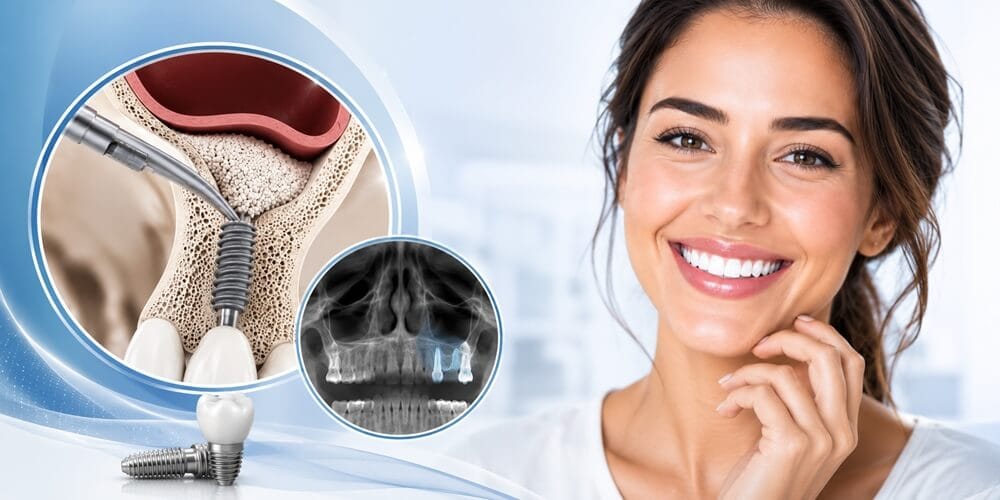
Sinus Lift procedures are indicated when insufficient alveolar bone exists for dental implants in the posterior maxilla. Diagnostic factors include bone height at the implant site, proximity to the maxillary sinus inferior wall, Schneiderian membrane characteristics, and alveolar ridge contour. Differing clinical environments may use alternative approaches, such as staged implant placement or graftless solutions. Local practice patterns vary from the established guides in imaging modalities, target population, technique selections, and complication rates. Zaren Health delivers Sinus Lift services and tracks patient journeys, treatment outcomes, and satisfaction metrics in an institutional framework that emphasizes continuity of care.
A Sinus Lift is a procedure that raises the floor of the maxillary sinus and restores lost bone in the posterior maxilla. This provides adequate bone support for dental implants, allowing for immediate implant placement at the same time as the Sinus Lift or at a later date. An insufficient amount of bone occurs for various reasons: bone resorption after the loss of teeth, the presence of a cyst or previous infection, or an unusually large maxillary Sinus Lift Turkey. Other reasons may include pathology of the sinus membranes and floor, such as an increase in size due to smoking or chronic sinusitis, or small-sized alveolar bone blocks due to congenital problems, trauma, or excessive cortical bone prerequisite to other implant areas (especially between the upper canine and the first premolar) or tooth extraction.
With Zaren Clinic, you can get the best Sinus Lift in Turkey. For this operation, you just need to contact Zaren Health, the best health counselor in Turkey. With Zaren Health, you can have a new smile.
Zaren Health provides Sinus Lifts as part of a comprehensive approach to complex dental implants, especially in remediation and post-trauma scenarios requiring bone grafting. Sinus Lifts are routine procedures, but certain thresholds must be considered: the floor of the maxillary sinus should not be within the length of the intended implant, and a minimum height of 4 mm is recommended. The indications and approach are therefore determined by probing, diagnostic imaging, and specific factors such as gum condition, mobility, diversion, referral, and the status of neighbouring teeth.
Estimating a successful Sinus Lift requires careful consideration. Predisposing factors are diabetes and smoking, while sufficient bone volume, an acute angle between the sinus and the implant, and no history of sinus disease or surgery are favorable. The presence of a Schneiderian membrane or any other sinus disease is a strong contraindication. Extra care is appropriate, particularly in the presence of Schneiderian membrane alterations. Survival and success rates are favorable, but failure when placed in conjunction may indicate an insufficient volume of grafted bone for implant placement. Staging is therefore recommended.
Among patients seeking a Sinus Lift in Turkey, a significant proportion come from the nearby Middle East and Europe. Turkey has emerged as a popular destination for medical tours, but the legal and administrative framework governing these visits remains somewhat vague. Many facilities operate under accredited hospitals and fulfill a substantial share of the local demand. Zaren Health is one such well-established health institution that integrates Sinus Lift services into a multidisciplinary framework within a hospital accredited by the Ministry of Health in Turkey. The patient journey, postoperative follow-up, and tracking of clinical outcomes and patient experiences have been described and reported.
On a larger scale, medical care—particularly in the area of dental implants—represents an important and profitable income for many countries, generally for those that can offer high-quality health care and a cost structure that supports attractive price offers as compared to neighboring markets. The sustained demand for bone grafting in dental implants favors the supply of different techniques of Sinus Lift in the countries offering these services. Global Sinus Lift Surgery in 2023, a report published by the IMARC group, shows that the global market report on advances in maxillary Sinus Lift Turkey augmentation surgery is projected to grow at a healthy rate over the next decade.
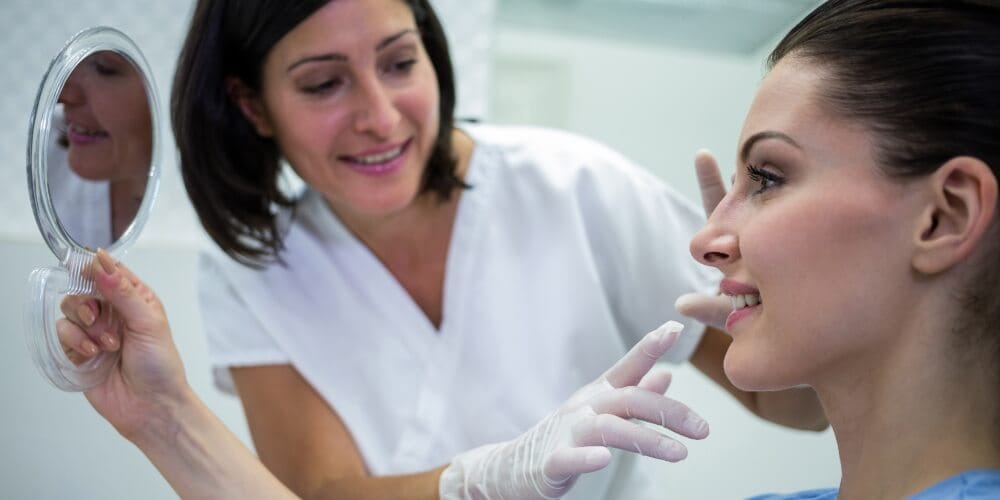
Zaren Health provides Sinus Lifts as part of a comprehensive set of dental implant Turkey services. To ensure quality, an institutional framework supports integrated care provision for international patients. Individual patient pathways are precisely mapped, while outcome data and satisfaction metrics from various sources are summarized.
Surgical sinuses preclude dental implant placement in the posterior maxilla, a condition commonly resolved with a Sinus Lift. These procedures reshape the surrounding anatomy and augment bone volume; during transantral (lateral) implants, bone grafting may occur, whereas osteotome (closed) Sinus Lifts are staged. Factors associated with increased graft loss include greater sinus pneumatization, cysts, and Schneiderian membrane thickening. Diabetes has no material effect, and normal mucosal thickening should not preclude surgery; however, a smoking history may represent a relative contraindication.
Zaren Health operates within a well-defined institutional framework that enables comprehensive patient support before, during, and after treatment. The organization recognizes that many patients require multiple procedures before complete functional restoration. Therefore, Zaren Health personnel facilitate every step of the journey, coordinate care across various specialties, and ensure continuity of service, even when surgery requires postponing planned treatments. As the establishment matures, greater emphasis is being placed on gathering and monitoring data relating to patient outcomes, satisfaction, and quality of care.
The patient journey begins with a referral for evaluation and treatment of a specific condition. A dentist or oral and maxillofacial surgeon considers the full range of patient needs and initiates the process within the Zaren Health framework. Once indications for surgical intervention have been established, patients receive a clear and concise explanation of the procedure, risks, and benefits. The risks of conducting treatment in individuals with specific medical conditions are described, and that consent is obtained prior to anesthesia. For implants, patients receive specific information about the procedure, warnings, and precautions to be followed; prescribed medication; and advice on dietary adjustments before and after surgery.
Turkey’s healthcare system allows stringent quality standards and better outcomes, and patient satisfaction is generally high. A published study assessed 20 Sinus Lifts conducted on 16 patients by a single oral surgeon. The mean follow-up was 12 months. Bone biopsies demonstrated a mean bone width gain of 5.3 mm and height gain of 5.9 mm, with all samples revealing mature bone, and no complications were reported. Another study tracked 109 patients undergoing 113 lateral window Sinus Lifts over a mean follow-up of 23.7 months—with mean age 61.62 years, and 29.6% diabetes mellitus prevalence. The authors reported no graft loss, membrane rupture, or infections, and overall patient satisfaction of 95.75%. One study considered 102 Sinus Lift patients referred for implant surgery, focusing predominantly on oxygenation levels and the duration of valley or fork syndrome. It concluded that additional cardiovascular stress may be associated with oxymetry levels of below 95%, but there were no other complications. Notably, a substantial proportion of the reviewed studies relied on implant success rather than sinus graft-specific data as the primary assessment endpoint.
A Sinus Lift is required when the height of the bone above the upper jaw’s back teeth is insufficient to allow for the predictable placement of a dental implant. Clinical judgement remains essential. Other strategies, such as bone grafts or the staged placement of an implant after bone grafting, should be considered before resorting to a Sinus Lift.
A patient with less than 6 mm of bone in the upper jaw behind the molars, especially if the bone’s quality is poor, will normally require a Sinus Lift. CT imaging is the best way to assess the requirement for a Sinus Lift. The prognosis, based on the patient’s clinical history rather than on imaging criteria, can also influence decision making. A patient showing a tendency for poor bone integration, be it for reasons of general health, smoking, previous bad dental location or poor hygiene during tooth extraction, may, as a precautionary measure, be asked to undergo a Sinus Lift in order to reduce the risk of future complications in a planned implant.
Among the sinus-related factors that can affect dental implant success, Schneiderian membrane thickness is the most studied. Although the optimal membrane thickness for osseointegration of implants placed in the maxillary sinus is unknown, a reasonable indication for sinus elevation is when the membrane thickness approaches or exceeds 2 mm. A more recent study evaluated the thickness of the Schneiderian membrane measured by cone beam computed tomography, relating it to factors such as age, posterior maxillary residual bone height, and sex with conflicting results. The study proposed a cut-off value of 3.2 mm for sinus elevation.
Other factors have also been proposed as predictive of the need for Sinus Lift surgery, such as the distance from the alveolar ridge to the sinus floor, maxillary Sinus Lift Turkey volume and shape, and the bucco-palatal width of the residual edentulous ridge. A simplified approach, however, comprises two predictive ultrasound parameters: height of the maxillary sinus floor and distance from the floor to the alveolar crest. The indication for a pre-implant Sinus Lift can be based on analysis of these two parameters and/or on cone beam computed tomography evaluation of the Schneiderian membrane. An osteotome-assisted Sinus Lift can often be performed when these suggest the need for sinus grafting; in such a case, it is possible to place the dental implant at the same time.
Alternative approaches to Sinus Lift or variations of technique may be considered by the oral surgeon depending on the specific clinical situation that is applicable to the patient. For example, if the patient has some remaining bone height, i.e. 5-7 mm of Bone quality that allows it, an osteotome sinus floor elevation can be done. In this situation, the vestibular cortical bone is perforated with a Bur to a certain depth, allowing the use of an Osteotome to raise the Schneiderian membrane and place the implant together with some bone graft for dental implants Turkey material at the same time. However, the ideal situation would always be to perform a sinusal elevation at least 7-8 mm or more to achieve a better primary stability. The contraindications for this type of procedure are when there is an active infection in the area. Osseointegration of the implant can be achieved and loaded at the same time as no sinus floor elevation can be performed, In this case placement of the implant in canines, incisive and in-premolar area and in the first molar is advisable and restorated with the removable prosthesis (mobile prosthesis)in the edentulous areas of the maxilla.
If the maxillary dentition has already been absent for a number of years, the maxillary sinus may become hypoplasctic due to the loss of function and so the residual alveolar ridge may be of sufficient height to accommodate implants. For these patients the proximal conical portion of the sinus acts as the vestibule of the nose. In these circumstances, the maxillary sinus area should remain unimplanted or the implants should not be preferentially loaded until adequate bone density has been established by bone healing without local infection. If, after placement of the implants supporting a fixed prosthesis of the maxilla, the Schneider membrane is broken, postoperative infection in the region may delay the osseointegration of the implants supporting the maxillary prosthesis but will not necessarily compromise the loading of those placed in the mandible.
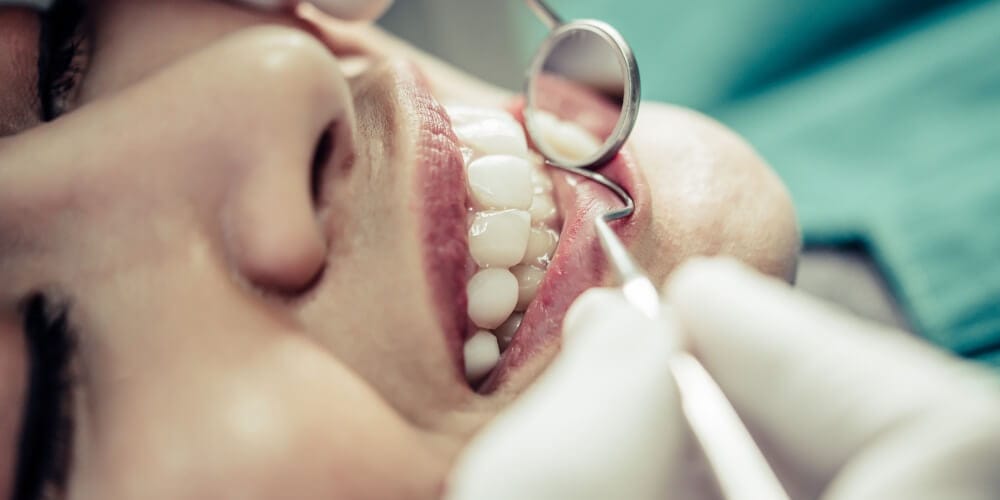
Four sequential elements define the Sinus Lift procedure: preoperative assessment, surgical conduct, and postoperative recovery. The first segment encompasses preoperative protocols, assessment criteria, and diagnostic imaging. The second segment outlines intraoperative phases, addressing dental implant preparation Turkey, grafting, and risk management. The third segment details postoperative recovery, spanning care, return to normal function, and follow-up.
The preoperative workup must encompass medical history, clinical examination, imaging, and the acquisition of appropriate consent. Medical history must define the presence of any medical condition that would compromise the safety of the procedure. Clinical examination must assess the degree of tissue quality in the region where the Sinus Lift is to be performed. Radiological evaluation is essential for precise surgical dental implant planning. An adequate amount of remaining bone should be present in the anterior-posterior dimension that allows the placement of the dental implant. If the remaining bone in this dimension is less than 6 mm, a Sinus Lift may be indicated to gain additional bone width. In surgical treatment planning, the Sinus Lift may be performed through a staged approach. This means that during the same surgery, the Sinus Lift may be done, and a dental implant may be placed adjacent to the Sinus Lift. Appropriate consent must comply with the center’s protocol.
The surgical procedure can be divided into three steps. The first phase entails the access flap, exposing the lateral wall of the maxillary sinus, and osteotomy preparation. The second phase is the elevation of the Schneiderian membrane and grafting the augmented site. The final phase consists of flap closure. A transantral (lateral) approach is most commonly adopted for the sinus floor elevation. It necessitates an adequate incision that allows direct access to the depressed area of the maxillary bone overlying the sinus. The use of this technique may be beneficial for cases with a thinner Schneiderian membrane, a drastically obstructed sinus, and when it is deemed unsafe to elevate the Schneiderian membrane through a closed technique. During surgery, patients usually receive light sedation. Restion and NSAIDs are prescribed after surgery.
Preoperative assessment ensures robust treatment planning. Presence of contraindications must be noted. Panoramic X-ray is essential for initial assessment; seeing sinus position can assist in deciding later stage for implant placement and quantity of implants. 3D radiology is required for dental implant planning, including orientation of mirror images. Knowing the graft quantity required is important for selection of graft material and overall dental implant preparation Turkey. Sagging or resorption are prognostic indicators for very early stage procedure.
Patient consent for anaesthesia and surgery is required, especially as these procedures are performed under local anaesthesia. Complete and clear explanation is essential for major surgeries. For transantral Sinus Lift, transverse incision is made at retromolar area. For closed technique, incision must extend to first molar in order to see the cortical bone. Graft placement is done from anterosuperior border of the sinus, needing proper angulation in order to see floor of the other side. It is very important to see the sinus membrane during graft placement. Bone augmentation is done with caution to avoid post-operative problems. In closed method, the lifting osteotome must be placed in medial to lateral orientation.
The Sinus Lift procedure consists of three distinct surgical phases: making access to the maxillary Sinus Lift Turkey, lifting the Schneiderian membrane to allow space for the graft material, and filling the space with graft material. Access to the maxillary sinus can be gained via a lateral vestibular wall approach or via an osteotome approach, as described later. The lateral approach is the gold standard and is preferred when the gain in height is >3 mm. A trapezoidal flap is raised, the vestibular bone is thinned, and then a bone window is made in the lateral wall of the maxillary sinus using a bur. An opening in the sinus is made, and care must be taken not to perforate the Schneiderian membrane. If perforation does occur during dental implant preparation Turkey of the window or subsequently, it is usually better not to patch it. It may heal spontaneously, and if it does not, a communication will form with the nose, which may be a lesser evil than having a part of the graft communicating with the nose and getting infected.
The Schneiderian membrane is lifted in an apical direction using any convenient instrument, and the space is filled with the graft material. A resorbable membrane may be placed over the graft, but this is not essential. The flap is then closed in the usual manner. Local anaesthesia is usually sufficient. General anaesthesia may be required if the procedure is prolonged, an osteotome approach is used, or patient apprehension necessitates it. This is particularly relevant for patients who have difficulty breathing with their mouth open and prefer to breathe through the nose during surgery. The procedure is usually carried out as day surgery.
Detailed postoperative instructions will be issued before discharge, and it is important to adhere to them. Avoid intensive activity for a few weeks after the operation. Climbing, heavy lifting, sweating, and exerting yourself should be avoided. Make sure there is no pressure on the upper jaw and no blows to the face, cannot sneeze with a closed nose, nor pick the nose. Additionally, do not brush the teeth of the operated area during the first week and do not drink any hot liquids (tea, coffee) through a straw. Liquid or food should not come into contact with the crater opening in the cheek or nose. Food should not be taken that requires a great deal of chewing. A mild diet is preferred.
The pain can vary; some do not feel pain at all, while others feel a strong pain. Normally, half a tablet to one tablet of paracetamol (1g) is enough. The pain usually disappears within two days. In case of swelling, a cold compress will help. If the swelling persist or becomes worse, it is recommended to contact the clinic. Bleeding is a natural part of the surgery. If it is excessive, try to lie still, breathe through the mouth and lift the face up. If the incision has bled for more than 20 minutes, if blood is leaking from the nose, or if it is black, the office should be called.
Transantral (lateral) Sinus Lift—indications, access, grafting approach, and expected gains
This variant of Sinus Lift is indicated when there is insufficient donor bone in the maxillary molar region and the sinus cavity is at least 8 mm from the alveolar ridge. The lateral wall of the maxillary Sinus Lift Turkey is accessed via the canine fossa, although variations (e.g., through the labio-buccal vestibule) are indicated by anatomic constraints. The graft can be positioned around the Schneider membrane and into the sinus cavity for maximum lift, and bone can be collected from the tuberosity or the iliac crest and combined with other bone grafts. Bone substitutes such as allograft, xenograft, or alloplast can be employed, yielding a lift of 2 to 6 cm, satisfactory for proximal extension of a wide reconstruction.
In patients with recent implant placement in the sinus cavity, it should also be checked whether their removal is advisable, as reinfection can occur when the graft is perfused. At the other extreme, close placement can be seen in atrophic conditions of the tuberosity and zygoma on the affected side, leading to difficulties with malar projection.
An osteotome or closed Sinus Lift involves preparation at the bone floor of the maxillary sinus using an osteotome to elevate the sinus membrane, creating a space for graft material above. The key incision of this technique is placed in the crestal bone of the maxilla, with the preparation extending a distance equal to the sinus height. A specialty osteotome having the same diameter as the anticipated implant is used to conduct the preparation and elevate the sinus membrane.
Options for grafting material are similar to those used in the more common transantral/lateral augmentation grafting. Elevation of the sinus membrane may be limited in comparison, but this closure technique does reduce surgical time, and the increased graft area may assist the option of delayed implant placement in a separate procedure. A closed Sinus Lift should be considered when there is residual bone height at least equal to the height of the planned implant above the sinus floor and it should be avoided when there are any other factors that could limit flap closure without tension.
The transantral (lateral) Sinus Lift is the most common form of sinus augmentation, providing access to the lateral wall of the maxillary sinus and facilitating grafting of the sinus floor. A bone height gain of up to 5 cm is possible. If the upper jaw bone is still at least 2–3 mm thick near the sinus, an osteotome (closed) Sinus Lift can be performed as an alternative at the time of implant placement. This procedure involves the sinus floor being elevated through a guided perforation with a bone chisel without directly opening the sinus. The gains are smaller (c. 1.5 cm) and must be less than half the remaining bone height. Cases with high inflammation levels (acute sinusitis, cysts, etc.) are better served by the transantral approach. A bone graft for dental implants Turkey is often used to support the sinus floor directly at that stage.
Other types of Sinus Lift surgery can be used when the quantity and quality of bone in the region of the zygomatic buttress allow for it. An alternative to Sinus Lift surgery and/or the use of bone grafts is the insertion of zygomatic root implants, whose distal end is anchored in the zygomatic bone. Autologous bone grafting from the mandibular ramus region offers volume close to the zygoma and may be faster to recover. Zygomatic implants are immediately loaded with a fastened prosthesis.
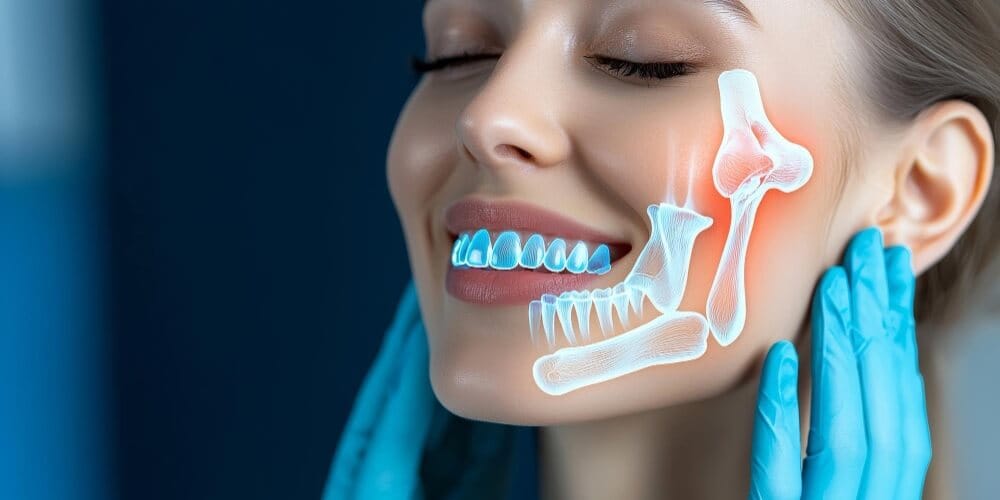
Sinus Lift cost Turkey hinges on various factors. Facility type, materials, surgeon expertise, anesthesia, imaging, and postoperative care all shape pricing dynamics. Common payment structures encompass uninsured private payments, comprehensive travel packages, and health insurance coverage; attention to detail and transparent photography at the advertising stage can yield better patient inquiries. While costs may fluctuate in response to competitive, political, and economic pressures, Turkish service prices remain modest relative to those in Western Europe, North America, and Oceania.
Assessment of Sinus Lift in Turkey reveals the array of influences shaping costs. Discounting tourism-related overhead, the following factors exert a downward or upward influence on pricing: a) Private, general hospital, and private clinic privileges favor reduced prices, as state-hospital billing rates apply; b) Non-European graft materials typically incur lower prices; c) Sinus Lift performed as a secondary procedure within a wider surgery (e.g., implant placement, ridge augmentation) generally commands a lower cost; I) Experienced surgeons with a focus on surgery typically charge higher fees than general clinicians; e) Monitored sedation and general anesthesia incur additional expenses; f) Preoperative imaging (e.g., sinus CT) before consultation may reduce total travel costs if performed locally.
In addition to the parameters summarized above, clinic location within Turkey can create noticeable differences in sinus-lift pricing. First, Turkey is geographically juxtaposed between Europe, Asia, and the Middle East, and travel remains relatively simple across land, sea, and air. Second, Turkey is a wonderful travel destination; therefore, the cost of treatment will be influenced by the local interest/opportunity cost. These two points combine to provide pricing advantages to treatments within the areas favored by tourists; in the case of Sinus Lifts, especially in Antalya, Istanbul, and Izmir/Bodrum. There appear many more dental clinics than in other regions, and treatment price generally aligns with the hyper-competitive/affordable travel-dynamic. There are many travel bundles on offer, providing all-inclusive service, including surgery and travel. They tend to focus around these popular destinations, with the largest volume being to Antalya.
Cost comparison across Turkey, Bulgaria, Romania, and Hungary supports the pattern that prices tend to be lower than in Western European countries.
The following factors play an important role in determining the cost of a Sinus Lift in Turkey:
To summarize, costs depend on the following: facility type, implant materials, surgeon’s skill level, anesthesia type, imaging tests, and postoperative medications.
Cost in Turkey varies by provider type, reflecting facility characteristics, surgeon expertise, treatment volume, and patient pathway complexity, including anesthesia. Estimated expenses segregated by facility type and listed by Zaren Health illustrate the potential range within Turkey. Neighboring MENA countries exhibit similar Sinus Lift pricing in private clinics and hospitals, complemented by summary cost variability across the region.
Sinus Lift cost Turkey depends predominantly on facility type (private clinic, hospital, or dental department), considering factors such as surgeon skill level, frequency of procedure performance, dissection difficulty, material expenses, anesthesia requirements, and reimbursed postoperative care. For specific private hospitals and clinics, factors affecting cost are broken down below, with price ranges included.
Sinus Lift recovery follows a predictable course based on the nature of the procedure, patient health, and any complications. Cheek swelling commonly occurs, particularly with lateral access, usually peaking around days two or three before subsiding. During this phase, chewing on the opposite side is advisable to minimize discomfort. While bruising is rare, excessive swelling can indicate infection or hematoma, with pus or fever also sounding alarm bells. Managing postoperative pain typically requires simple oral analgesics, but if symptoms worsen or do not improve, professional assessment is warranted. Resuming normal daily activities typically occurs during the first week, as dictated by pain levels. After week one, swimming, diving, or activities generating excessive pressure differences in the sinus region should be avoided, alongside physical exertion.
Abnormal taste sensations, temporary perforations, or velopharyngeal insufficiency may occur but typically resolve spontaneously. Healing proceeds with routine dental controls until bone volume is sufficient for implant placement, generally achieved within four to nine months. Intraoral bone grafts can be considered after eight weeks, while breathing function often improves by four weeks. Control CT scans can confirm Sinus Lifting and volume gain around months four to six. Once healed, dental implants can be placed in the new bone, often within a week. Facilitating simultaneous Sinus Lift and implant placement minimizes risks, with success rates exceeding 90%, especially for healthy patients without complication history.
Sinus Lift recovery follows a predictable timeline of healing milestones based on the nature of the procedure, patient characteristics, and any complications. Cheek swelling is a common occurrence when the lateral (transantral) approach is used, usually peaking around days two or three and subsequently subsiding. During this phase, it is advisable to chew food on the side opposite the surgical site, so as to minimize discomfort. Although bruising is rare, excessive swelling may suggest developing infection, hematoma, or another complication, especially if accompanied by pus or fever. Postoperative pain is typically manageable with simple oral analgesics, but if pain worsens or fails to improve, radiological or clinical assessment should be sought.
Recovery toward normal daily activities usually takes place within the first week and is determined by the level of discomfort. After this point, swimming, diving, or engaging in activities that create excessive pressure differences in the sinus region should be avoided, as should physical exertion. Altered taste sensations, temporary nasal or oral perforations, or velopharyngeal insufficiency can occur but are typically short-lived. Routine dental examinations allow ongoing monitoring of the healing process, which must progress until sufficient bone volume develops for implant placement—a goal generally achieved within four to nine months. Intraoral bone grafts may be contemplated after eight weeks, while restoration of normal breathing function often occurs by four weeks. Control CT scans can confirm Sinus Lifting and volume gain between months four and six. Once healed, dental implants can be inserted into the new bone, often within a week. Facilitating simultaneous Sinus Lift and implant placement minimizes risks, with success rates exceeding 90%, especially for healthy patients with no history of complications.
Sinus Lift surgery results in different healing responses, with septal and lateral grafts healing more quickly than bone walls on non-antral sides. Typical recovery involves complete healing within four to twelve months, depending on the procedure and patient factors. Monitoring for complications is essential, with early warning signs linked to graft exposure, infection, and excessive resorption.
Healing tends to progress without significant issues, with no imaging follow-up usually needed until implant placement. In the first week, patients are advised to avoid blowing their nose, lifting heavy loads, or engaging in sports. By the end of this period and with adequate analgesia, resumption of work is generally possible. The main milestones for regaining full function are emptying the sinus, full insulation from the oral cavity, and sufficient bone volume around the grafts.
Following a Sinus Lift, both the bone graft and Schneiderian membrane will undergo healing over several months. For the new bone to integrate with the natural bone at the jaw, the grafted bone should be physiologically comparable to the natural bone. Grafts typically will heal without any complications. Nevertheless, it is critical that the person be aware of postoperative warnings and that they call a doctor for further examination if any of these conditions appear until six months postoperation.
Complications can affect the sinus cavity, the Schneiderian membrane, or the grafted bone. Signs of possible complications can include nasal congestion, foul-smelling nasal discharge, and an increase in pain after a few days. The development of complications related to the sinus cavity can occur as a result of the introduction of bacteria into the sinus cavity, or as a result of a displacement of the graft material.
Common solutions for complications include: Antibiotics and anti-inflammatory medications. Infections that do not respond to antibiotics might require surgical exploration. The direct connection between the nose and the mouth requires careful monitoring of these areas and patient education about maintaining oral hygiene and avoiding manipulation of these regions. Additionally, nasal sprays can assist in promoting better healing by keeping the nose moisturized.
Zaren Health is accredited by the Turkish Ministry of Health and JCI International, assuring full compliance with national and international standards. The team combines experienced specialists with a broad range of skills, providing integrated support to international patients from the first contact through all stages of treatment. Multilingual coordinators assist in logistical planning, offer on-the-ground support during the stay, and help monitor long-term recovery through periods without formal follow-up. Patient satisfaction is systematically tracked through post-treatment surveys. Zaren Health is also listed among potential providers by Health-Turkey, the Turkish government agency responsible for promoting health tourism.
The comprehensive range of services covers the entire care process, from diagnostic workup to postoperative follow-up care, including any necessary surgery or treatments. Multidisciplinary coordination ensures that all specialists required to prepare, perform, and monitor the procedure are available during the scheduled visit. Individual patients can therefore be guided through the treatment by a single coordinator. Translator support is available in major languages, helping to ensure a good patient experience throughout the stay. To facilitate the early detection of potential complications, patients are contacted several times in the first days after return home. Such follow-up interactions are often extended over longer periods, enabling patients to receive assistance and advice even months after transplant surgery. Patients report a high level of satisfaction with the care received.
Accreditation, expertise, and patient support are crucial factors underpinning any surgical care, and even more so for elective procedures that entail longer recovery times, such as a Sinus Lift. Zaren Health operates three clinics certified by the Turkish Ministry of Health in accordance with World Health Organization guidelines for safety and hygiene. All surgical and implantological interventions are performed by board-certified maxillofacial surgeons. Patients from abroad are supported during transit with dedicated assistance in their native language, ensuring continuity of care from initial assessment through any required follow-up.
Sinus Lift surgery is performed at Zaren Health Clinic, complemented by associated services in other partnered clinics. To guarantee safe treatment, surgeons monitoring healing and potential complications after discharge keep in contact with patients. Recovery status and any persistent questions are addressed through a video clinic established a month after surgery. Patients are informed that after recovery, long-term follow-up care is available at Zaren Health Sinus Lİft Clinic in Turkey, and educational materials complete the package.
Quality assurance protocols evaluate results against benchmarks and track adverse events during and after treatment. Follow-up occurs in person or via electronic media starting at one week. Routine examination of the surgical site, oral cavity, and adjacent teeth occurs. Aftercare advice includes smoking cessation and healthy dietary practices that reduce the risk of complications such as peri-implantitis and mucositis. Long-term follow-up after prosthetic restoration is recommended to monitor the functional and aesthetic outcome. Long-term follow-up aims to educate patients on preventive measures for their oral health and implant longevity.
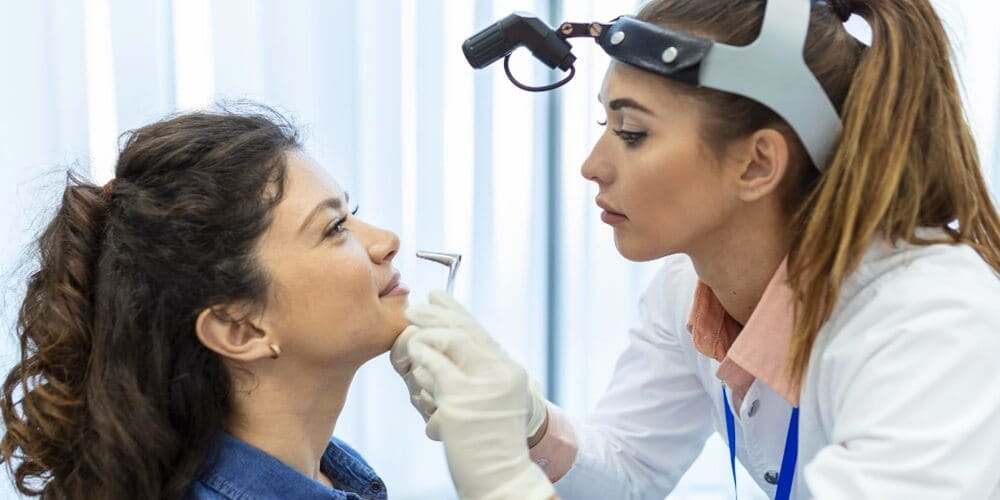
A typical Sinus Lift in Turkey costs between $1,500 and $2,500. The factors shaping pricing include the type of healthcare facility (hospital, private clinic, or boutique center), accreditation status, graft material, the surgeon’s level of specialization, anesthesia technique, any associated imaging, and postoperative care. Wider variability reflects broader regional trends, such as a minimum fee of $1,300 in Antalya and a wider bracket of $1,000 to $3,500 in Istanbul.
Offshore fertility care attracts patients globally, driven by competitive pricing coupled with quality assurance for clinical operations and treatment outcomes. Surrogacy offers the most pronounced dent in the bank balance—the cheapest centre charges $68,000—but both female and male patients are attracted by other assisted reproductive technologies. Turkey has emerged atop dental tourism for similar reasons, with costs at or below half those of the UK, even favourably positioning certain procedures against Poland or the Czech Republic.
A common query from prospective patients is whether Sinus Lift surgery Turkey is painful. Although anesthetics are used throughout the procedure to ensure patient comfort, whether discomfort is experienced afterwards is difficult to predict, as pain tolerance varies from person to person.
When a Sinus Lift is performed under local anesthesia, patients are awake for most of the procedure and only feel pressure for the most part. When a longer bone augmentation is performed, they might not feel the surgery itself, but the long time of retraction generates a feeling of tiredness. Most people give a score between 0 and 2 out of 10. Nevertheless, it is logical that patients will feel discomfort as the anesthetics subside after surgery, and patients usually follow a routine with painkillers for 3-4 days. There might be a bit more soreness when sleep position changes after the procedure, as well as when sneezing and chewing on the side of the graft.
In case of an osteotome Sinus Lift under local anesthesia, patients feel the initial injections, which is the strangest part of the entire operation. When the anaesthesia begins to lose its effect, there will be a little discomfort, but it is short-lived and feels like soreness. In both approaches, some swelling and possible bruising can be expected, but they will resolve on their own and are nothing to worry about.
Healing timelines vary and are influenced by several factors, including type of Sinus Lift, patient-specific healing rates, and complications. For transantral (lateral) Sinus Lift, full bone graft for dental implants Turkey integration usually takes 6–12 months. Healing after osteotome (closed) Sinus Lift tends to be faster; exposure to the sinus and local blood circulation facilitate initial recovery. Routine follow-up imaging—CT scan or 3D view—is critical to assess bone graft for dental implants Turkey status before implant placement. The patient should also monitor for swelling, pain, or adverse symptoms and seek professional advice should these occur.
Combining Sinus Lift and implant placement has potential advantages, but clinical judgment and imaging are crucial to prevent complications. Distinguishing between “immediate” and “simultaneous” approaches is essential, with the latter being generally safer.
A dental implant requires adequate bone volume and quality. In the posterior maxilla, tooth loss is associated with the pneumatization of the maxillary Sinus Lift Turkey, leading to further bone loss. When bone is insufficient in height and density, a Sinus Lift procedure is typically needed prior to implant placement. However, placing an implant simultaneously with a Sinus Lift can offer a particular advantage since a second surgical procedure is avoided. This approach, often called an “immediate” implant placed in conjunction with a Sinus Lift, bypasses the need for a second surgical procedure; however, it does carry an increased risk of potential complications.
The timing and terminology associated with the procedure can be a point of confusion. The literature refers to two different but closely related concepts. The term immediate implant refers to an implant placed in a surgically created site at the time of surgery that is not a tooth extraction, mainly referring to teeth other than maxillary molars. Conversely, a simultaneous Sinus Lifting and implant placement procedure is called a simultaneous (or conjunctive) Sinus Lift and implant placement. A simultaneous Sinus Lift and implant placement should be regarded as a separate procedure, although it is also sometimes referred to as an “immediate implant” as well. It is considered safer than an immediate implant in the sense that an antral membrane has not been manipulated during the surgical procedure. Distinction between the terminology immediate or simultaneous Sinus Lift and implant placement is essential for dental implant planning and discussion with patients. A detailed review of the safety guidelines for this procedure is warranted and covers factors that can help in the decision-making process.
Surgical intervention in areas of the body so richly innervated with sensory nerves and supplied with immune cells such as the sinus cavity is always accompanied by the concern of whether the operation can be conducted without causing complications or sensory disturbances. The answer is that the surgery is indeed safe, provided it is performed by an experienced surgeon using the proper techniques. The severe complications are rare.
Causative or contributory factors can usually be identified for cases that are described in the literature, and ill-advised maneuvers during surgery are often identified. Thus, there is no restriction on Sinus Lift surgery Turkey in the hands of a qualified and experienced surgeon. It is also noteworthy that Sinus Lift surgery Turkey with immediate placement of an implant in the lifted sinus simultaneously has a success percentage similar to that when the procedure is performed in a staged fashion.
A Sinus Lift is a surgical procedure performed to increase the amount of bone in the posterior maxilla (upper jaw bone) in the area of the molars and premolars. Sinuses located above this area may be too close to allow placement of dental implants. A Sinus Lift is usually necessary when the existing bone is insufficient for a dental implant. Loss of a back tooth can often be due to bone loss in the area. Non-restored, missing teeth tend to undergo bone resorption, thus making it necessary to build and restore this area with a Sinus Lift before placing a dental implant restoration. Patients would need to stay in Turkey for 7 days when combining dental implants and Sinus Lift surgery Turkey.
A Sinus Lift is a highly advanced surgical procedure where a dentist moves the line of bone in the upper jaw in the area of missing teeth and at the same time elevates the membrane lining the sinuses. This procedure adds bone for dental implants in the back of the upper jaw and thickens any existing bone in that area. When teeth are lost, the jaw bone begins to resorb back toward the sinuses. In some cases, where a back tooth has to be replaced with a dental implant, there may not be sufficient bone left to support the implant.
Careful dental implant planning is of paramount importance for an optimal outcome after Sinus Lift surgery Turkey, especially when considering also an implant installation. Dental implant preparation Turkey requires co-ordination of dentists with each other, with the implant manufacturer, with imaging services and with the hospital. Central to success is the surgeon’s assessment of anatomical factors influencing the outcome prediction of Sinus Lift and the choice of the best approach for the patient.
The suitability of Zaren Health for the procedure is reinforced by a well defined patient pathway involving multidisciplinary input and oversight, and an integrated service model ensuring pre-operative dental implant preparation Turkey and post-operative monitoring. Zaren Health’s procedures are designed to monitor clinical and quality outcomes to support ongoing quality assurance.