Home » Why Gastric Sleeve Surgery in Turkey Is Rising in Popularity: Cost, Care & Safety

Gastric sleeve surgery—also known as sleeve gastrectomy—has become one of the world’s most sought-after weight loss procedures. As global demand increases, gastric sleeve in Turkey has emerged as a top choice for international patients seeking affordable treatment, expert care, and safe medical standards. Turkey has quickly become a major destination due to its competitive pricing, highly trained bariatric surgeons, state-of-the-art hospitals, and patient-centered medical tourism services.
Below is a complete and comprehensive guide covering everything you need to know about gastric sleeve surgery, from preparation and cost to risks, diet, recovery expectations, real gastric sleeve results, and long-term lifestyle changes.
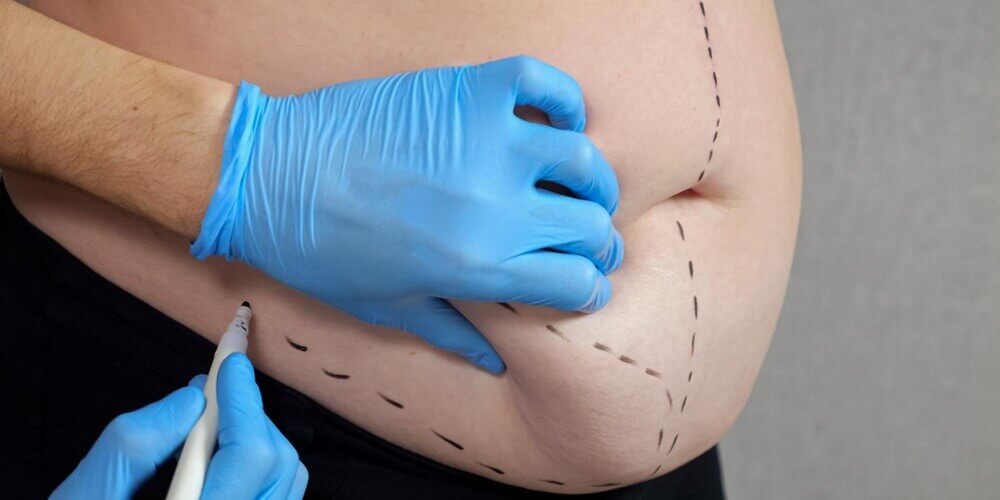
Gastric sleeve surgery is a minimally invasive bariatric procedure where approximately 70–80% of the stomach is removed, leaving a narrow “sleeve-shaped” stomach. The reduced stomach size:
Because it doesn’t reroute the intestines, sleeve gastrectomy is safer and more natural than many other weight-loss surgeries.
Turkey has gained worldwide recognition for bariatric procedures due to several key factors:
While the average gastric sleeve surgery cost in the US or UK ranges between $10,000–$22,000, the gastric sleeve cost in Turkey is typically $3,000–$5,000, including:
Surgeon fees
Anesthesia
Hospital stay
Pre-op tests
Post-op medications
VIP transportation and accommodation in many packages
This cost advantage makes Turkey especially appealing.
Many Turkish bariatric centers hold:
JCI accreditation
ISO certifications
Advanced laparoscopic and robotic surgical facilities
These ensure high-level safety standards.
Turkey’s bariatric surgeons often:
Perform thousands of gastric sleeve surgeries
Use the most advanced techniques
Provide multilingual patient care
Offer structured aftercare programs
This combination makes Turkey a global leader in success rates and patient satisfaction.

Doctors typically recommend sleeve gastrectomy for individuals with:
Even patients who previously tried dieting, exercise, and medication may find lasting success through weight loss surgery.
One of the key reasons gastric sleeve surgery has become one of the most popular forms of weight loss surgery is its balance of safety, effectiveness, and long-term results. The procedure permanently reduces stomach size by approximately 70–80%, which helps patients feel full faster and consume fewer calories without the need for implanted devices or intestinal rerouting. This makes the sleeve gastrectomy less complex than other bariatric procedures while still producing dramatic and sustainable gastric sleeve results.
Patients typically experience significant weight loss within the first 12–18 months, and many also see improvements or complete remission of obesity-related conditions such as type 2 diabetes, high blood pressure, sleep apnea, and joint pain. Another major advantage is that digestion remains normal—nutrient absorption is not altered—making long-term dietary management easier than with malabsorptive surgeries. For individuals seeking an effective, lower-risk solution that supports a healthier lifestyle, the gastric sleeve offers a powerful combination of simplicity, safety, and transformative outcomes.
Most patients achieve:
25–35% total body weight loss
60–70% excess weight loss
Major improvements within the first year
The procedure can significantly improve or resolve:
Type 2 diabetes
Hypertension
High cholesterol
Fatty liver disease
Joint pain
PCOS symptoms
Patients report:
Higher energy levels
Better mobility
Increased confidence
Improved mental health
Unlike gastric bypass, sleeve gastrectomy:
Does not alter digestion
Does not cause dumping syndrome
Has fewer long-term complications
Like any surgery, sleeve gastrectomy involves risks, including:
Infection
Bleeding
Staple line leakage
Acid reflux
Nutrient deficiencies
Temporary hair thinning
Nausea after eating too fast
Choosing an experienced surgeon and following aftercare instructions reduces the likelihood of complications.

Patients typically undergo:
Doctors may ask you to follow a pre-operative diet to reduce liver size and improve surgical safety.
The surgeon uses small keyhole incisions for minimal scarring and faster recovery.
Around 70–80% of the stomach is removed with advanced stapling devices.
A narrow, tube-shaped stomach remains, restricting food intake.
The surgery usually takes 45–90 minutes.

Post-operative recovery is typically smooth and includes:
Hospital Stay
1–3 days in most cases.
Gastric Sleeve Diet Progression
The diet progresses in stages:
Clear liquids (first 2–3 days)
Full liquids & protein shakes
Pureed foods
Soft foods
Regular healthy diet (by week 6–8)
Activity
Patients walk the same day and resume normal activities within 1–2 weeks.
First Month
Noticeable weight loss begins immediately.
3–6 Months
Rapid transformation—patients often drop multiple clothing sizes.
1 Year
Final results show dramatic improvements in:
Patients must adopt:
These practices ensure lasting gastric sleeve results and prevent weight regain.

Most procedures take 45–90 minutes using laparoscopic techniques.
Patients lose around 60–70% of excess weight within 12–18 months.
Complications are rare when performed by an experienced surgeon.
No, the stomach reduction is permanent.
Affordable prices, expert surgeons, modern hospitals, and strong medical tourism infrastructure.
Zaren Clinic stands out as a trusted medical tourism provider specializing in weight loss surgery, including gastric sleeve, gastric bypass, and gastric balloon procedures. With internationally certified surgeons, modern hospital facilities, personalized care, and all-inclusive packages, Zaren Clinic ensures that patients receive world-class treatment at accessible prices. Their comprehensive care—from pre-operative tests to post-operative follow-up—makes them a top choice for anyone considering gastric sleeve in Turkey.