Home » How Did Hollywood Smile Dental Aesthetics Originate? History and Evolution

The term Hollywood Smile is now widely used in cosmetic dentistry to describe a bright, symmetrical, well-aligned, and aesthetically pleasing smile. Today, people choose Hollywood Smile treatments not only to improve tooth color but also to enhance facial harmony, confidence, and overall appearance.
Searches such as Hollywood Smile history, origin of Hollywood Smile, history of cosmetic dentistry Hollywood Smile, when did Hollywood Smile start, evolution of dental veneers, history of dental aesthetics, porcelain veneers history, and cosmetic dentistry development timeline show that many people are curious about where this famous smile concept came from.
The story of the Hollywood Smile begins in the film industry, but its development is closely connected to the evolution of modern cosmetic dentistry, dental veneers, porcelain technology, and aesthetic treatment planning.
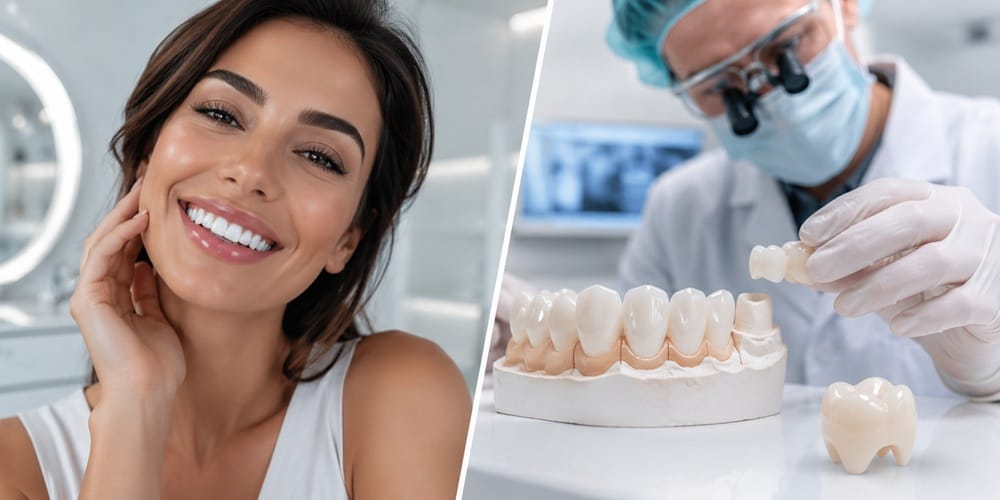
A Hollywood Smile refers to a customized dental aesthetic design that aims to create a brighter, more balanced, and more attractive smile. It usually focuses on the appearance of the visible teeth when smiling and may involve several treatments depending on the person’s needs.
A Hollywood Smile may include:
The main goal is not simply to create very white teeth. A successful Hollywood Smile should look balanced with the person’s face, lips, gums, skin tone, and natural expression.
The origin of Hollywood Smile is closely linked to the early years of American cinema. During the Golden Age of Hollywood, actors and actresses were expected to appear flawless on camera. As film quality improved and close-up shots became more common, teeth became an important part of a star’s image.
In early cinema, dental imperfections were more visible under studio lighting. A beautiful smile became a symbol of charm, health, elegance, and success. This demand pushed dentists to develop temporary cosmetic solutions for actors.
The phrase “Hollywood Smile” developed from this visual culture. It described the perfect-looking smiles seen on movie stars, especially those with bright, even, camera-ready teeth.
The Hollywood Smile concept began taking shape in the early 20th century, especially during the 1920s and 1930s, when the film industry was rapidly growing.
At that time, cosmetic dental solutions were not as advanced as today. Dentists used temporary materials to improve the appearance of actors’ teeth during filming. These early smile enhancements were not designed for long-term daily use. They were created mainly for the camera.
The modern version of the Hollywood Smile developed much later, as dental materials, adhesive technologies, and porcelain veneers became more durable and natural-looking.
Cinema played a major role in shaping beauty standards. In silent films, facial expressions were essential because actors had to communicate emotion without spoken dialogue. A bright and attractive smile helped create a strong screen presence.
Later, as sound films and close-up cinematography became more common, facial details received even more attention. Teeth became part of the actor’s identity. A clean, symmetrical, and bright smile suggested youth, success, confidence, and glamour.
This is why the entertainment industry became one of the earliest forces behind modern dental aesthetics.
The development of dental veneers is one of the most important parts of Hollywood Smile history.
Early veneers were created to temporarily cover imperfections such as discoloration, gaps, uneven tooth shape, or visible dental flaws. These veneers were often placed on actors’ teeth for filming and removed afterward.
They were not as strong or permanent as modern veneers because bonding technology was limited. The materials could improve appearance for a short time, but they could not reliably remain attached for long periods.
Even though these early veneers were temporary, they introduced a revolutionary idea: teeth could be artistically redesigned to improve the entire smile.
The evolution of dental veneers transformed Hollywood Smile from a film-industry trick into a reliable cosmetic dental treatment.
Early Temporary Veneers
The earliest veneers were mainly used for actors. Their purpose was visual improvement under studio lighting. They were temporary and not suitable for long-term function.
Development of Acrylic and Composite Materials
As dentistry advanced, acrylic and composite materials were used to reshape or improve teeth. These materials made cosmetic changes more accessible, but they still had limitations in terms of strength, color stability, and natural appearance.
Porcelain Veneers
The introduction of porcelain veneers marked a major turning point. Porcelain provided a more natural shine, better durability, and improved resistance to staining.
Bonding Technology
The development of stronger adhesive bonding techniques allowed veneers to stay attached to teeth more reliably. This made porcelain veneers a practical long-term solution rather than a temporary cosmetic cover.
Digital Smile Design
Today, digital planning allows dentists to design smiles with much greater precision. The shape, size, color, and alignment of the teeth can be planned according to facial proportions before treatment begins.
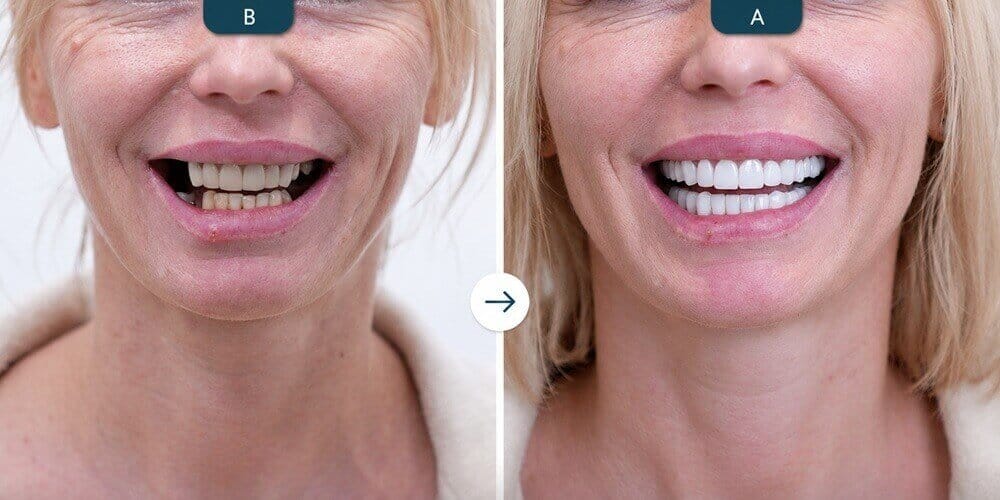
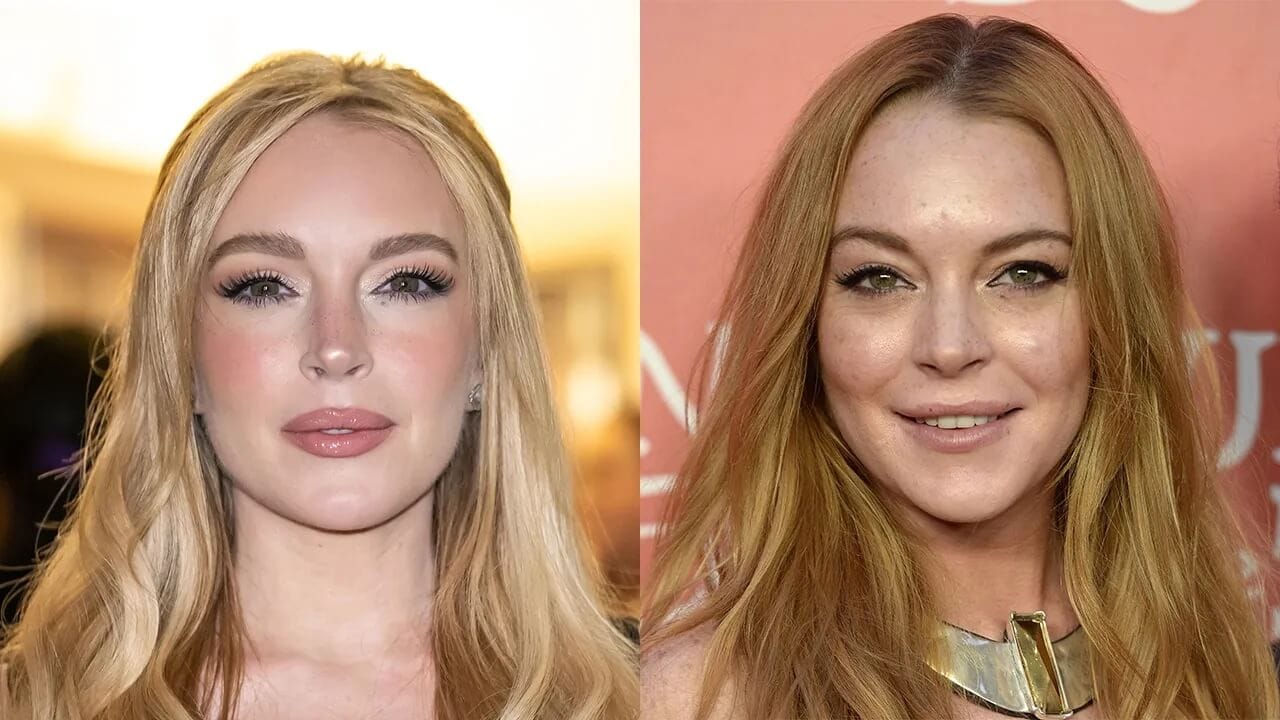
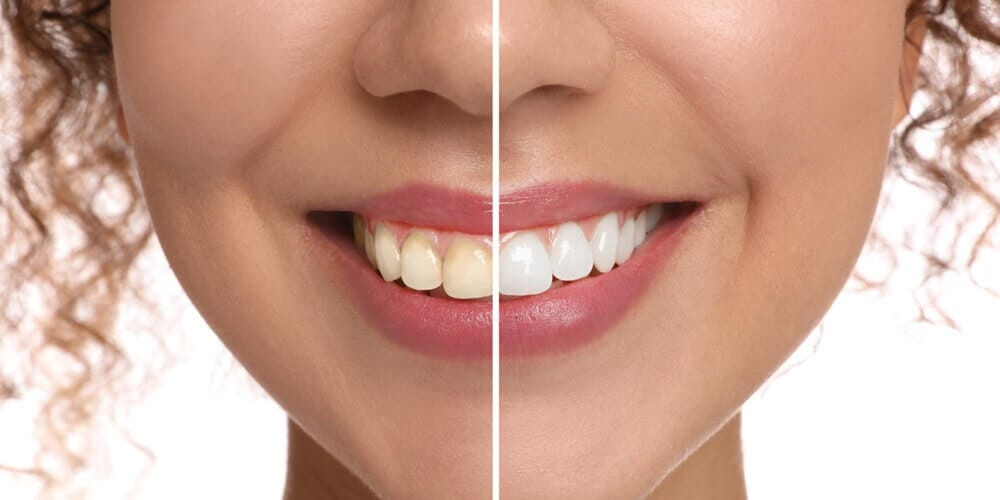
Before and after images of Hollywood Smile treatments clearly show how dental aesthetics can improve the overall balance, brightness, and symmetry of a person’s smile. In the “before” stage, patients may have concerns such as discoloration, uneven tooth shape, gaps, worn edges, misalignment, or old dental restorations. In the “after” stage, the smile typically appears brighter, more harmonious, and better matched with the person’s facial features. These visual comparisons help patients understand the potential impact of treatments such as porcelain veneers, zirconia crowns, teeth whitening, gum contouring, and digital smile design. However, the best Hollywood Smile results are not only about creating white teeth; they are about achieving a natural, confident, and face-compatible smile transformation.
The porcelain veneers history is central to the modern Hollywood Smile. Porcelain became popular because it closely resembles natural tooth enamel. It reflects light in a way that looks more realistic than many older materials.
Porcelain veneers became a preferred solution because they can address multiple aesthetic concerns at once, including:
As porcelain technology improved, veneers became thinner, stronger, and more natural-looking. This allowed dentists to create bright smiles without making them look artificial or overly bulky.
The history of dental aesthetics is much older than Hollywood. People have tried to improve the appearance of their teeth for centuries. In ancient civilizations, dental appearance was associated with status, beauty, and health.
However, modern dental aesthetics became more advanced with the development of professional dentistry, restorative materials, whitening techniques, and cosmetic treatment planning.
The Hollywood Smile represents a key stage in this history because it brought smile aesthetics into popular culture. It changed the public’s understanding of dentistry from something focused only on health and repair to something also connected with beauty, confidence, and personal image.
The cosmetic dentistry development timeline can be understood in several major stages.
Early 20th Century: Film Industry Influence
The first smile-enhancing dental solutions were developed for actors and actresses. The goal was to create camera-ready teeth for movie roles and public appearances.
Mid-20th Century: Improved Restorative Materials
Dentists began using improved materials to restore and reshape teeth. Cosmetic dentistry became more practical, but results were still limited compared to modern standards.
Late 20th Century: Porcelain Veneers Become Popular
Porcelain veneers became more reliable due to advances in bonding technology. This allowed long-lasting smile makeovers with more natural results.
1990s and 2000s: Smile Makeovers Become Mainstream
Cosmetic dentistry became more popular among the general public. Patients began requesting brighter, straighter, and more symmetrical smiles inspired by celebrities.
2010s: Digital Smile Design
Digital tools changed the way dentists planned aesthetic treatments. Smile design became more personalized and predictable.
Today: Natural-Looking Hollywood Smile
Modern Hollywood Smile treatments focus less on creating extremely white, identical teeth and more on facial harmony, natural translucency, and personalized aesthetics.
It is called a Hollywood Smile because the concept became famous through the movie industry. Hollywood actors were known for their flawless smiles, and those smiles became a global beauty standard.
Over time, the phrase moved beyond cinema and became a common term in cosmetic dentistry. Today, patients all over the world use the term Hollywood Smile when they want a smile that looks polished, bright, symmetrical, and attractive.

People choose Hollywood Smile treatments for many reasons. The motivation is often both aesthetic and emotional.
The most obvious reason is to improve the appearance of the teeth. A Hollywood Smile can correct several visual concerns at once.
Patients may choose it because of:
Instead of treating only one tooth, Hollywood Smile design considers the smile as a whole.
Tooth color is one of the main reasons people request Hollywood Smile treatments. A whiter smile is often associated with youth, cleanliness, health, and attractiveness.
However, modern smile design does not always mean choosing the whitest possible shade. The best shade should match the person’s skin tone, facial features, and desired level of naturalness.
A smile affects the entire face. The size, shape, and position of the teeth influence how the lips, jawline, and facial expression appear.
A well-designed Hollywood Smile can help create better harmony between:
This is why modern cosmetic dentistry focuses on personalized smile design rather than using the same tooth shape for every patient.
Many people feel self-conscious about their teeth. They may avoid smiling in photos, covering their mouth while laughing, or speaking confidently in social situations.
A Hollywood Smile can improve self-confidence by helping patients feel more comfortable with their appearance. For many people, the emotional benefit is just as important as the physical change.
Teeth can affect how young or aged a person appears. Over time, teeth may become darker, shorter, worn, or uneven. These changes can make the smile look older.
Hollywood Smile treatments can help create a more youthful appearance by improving:
A brighter and more balanced smile can make the face appear fresher and more energetic.
Many patients choose Hollywood Smile treatments before major personal or professional events.
These may include:
A polished smile can help people feel more prepared and confident in moments where appearance matters.
Some patients do not choose Hollywood Smile only for cosmetic reasons. They may have old crowns, fillings, or restorations that no longer match their smile.
Hollywood Smile planning can help renew old dental work while improving aesthetics. This may involve replacing outdated restorations with more natural-looking porcelain veneers or zirconia crowns.
Smile symmetry plays a major role in facial attractiveness. Even small differences in tooth size, gum level, or alignment can affect the overall look.
Hollywood Smile treatments can help improve:
The result is often a cleaner, more organized, and more balanced smile.
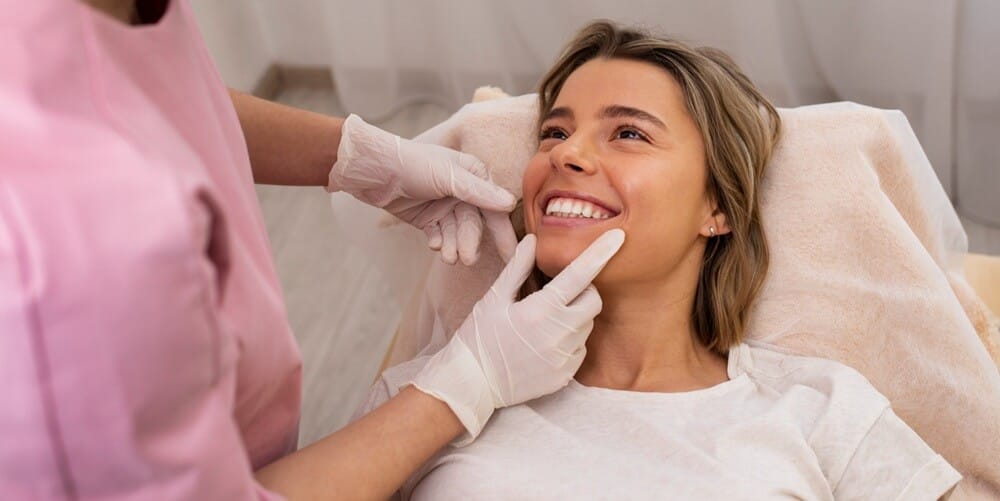
A Hollywood Smile is not one single treatment. It is a customized plan that may include different procedures depending on the patient’s teeth and goals.
Porcelain veneers are thin shells placed on the front surface of the teeth. They are commonly used to improve color, shape, length, and symmetry.
They are one of the most popular treatments in Hollywood Smile design because they provide a natural shine and long-lasting aesthetic improvement.
Laminate veneers are thin porcelain restorations designed to preserve as much natural tooth structure as possible. They are often preferred when the patient wants a refined and natural-looking result.
Zirconia crowns may be recommended when teeth need more coverage or structural support. They are strong, durable, and commonly used in smile makeover cases where both function and aesthetics are important.
Whitening may be used when the teeth are healthy but discolored. It can brighten the smile without changing tooth shape.
The gums play an important role in smile aesthetics. If the gum line is uneven or too visible, gum contouring may help create a more balanced smile.
Composite bonding can correct minor chips, gaps, or shape irregularities. It is often a more conservative option for smaller cosmetic changes.
In some cases, teeth need to be aligned before veneers or crowns are placed. Orthodontic treatments such as braces or clear aligners may be part of the process.
If a patient has missing teeth, dental implants may be included in the Hollywood Smile plan to restore both function and appearance.
The Hollywood Smile has changed significantly from its early origins.
In the past, the focus was often on very white, uniform teeth. Many smile makeovers looked bright but sometimes artificial. Today, patients increasingly prefer natural-looking results.
Modern Hollywood Smile design focuses on:
The goal is no longer to create the same smile for everyone. The goal is to design a smile that looks beautiful on that specific person.
Early Hollywood Smile
The early Hollywood Smile was created mainly for the camera. It was temporary, bright, and designed to make actors look flawless on screen.
Traditional Cosmetic Smile Makeover
Later, smile makeovers became more available to the public. The focus was often on straight, white, symmetrical teeth.
Modern Hollywood Smile
Today, the best Hollywood Smile results are more natural and customized. Dentists consider the patient’s face, personality, age, and natural tooth structure before designing the final result.
One of the biggest misunderstandings about Hollywood Smile is that it only means very white teeth.
A true Hollywood Smile considers:
A smile can be bright but still look natural. Choosing the correct shade is essential. If the teeth are too white for the patient’s face, the result may look artificial.
A person may be a good candidate for Hollywood Smile design if they have:
However, dental health should always come first. Before cosmetic treatment, the dentist should evaluate gum health, tooth structure, bite condition, and oral hygiene.
Hollywood Smile became popular globally because it connects dental aesthetics with confidence, beauty, and social image.
Several factors increased its popularity:
Today, patients do not need to be actors or celebrities to request a camera-ready smile.
Digital technology has made Hollywood Smile planning more precise and personalized.
Modern clinics may use:
These tools help patients see the planned result before final treatment begins. They also help dentists create more accurate and natural restorations.
Many patients travel abroad for Hollywood Smile treatments because cosmetic dentistry can be more affordable in some countries while still offering high-quality materials and experienced dental teams.
Patients often look for:
This has made Hollywood Smile one of the most requested dental treatments in medical tourism.
The Hollywood Smile history begins in the early days of cinema, when actors needed camera-ready teeth for the big screen. What started as a temporary solution for film stars gradually became one of the most popular concepts in modern cosmetic dentistry.
The origin of Hollywood Smile is connected to glamour, film culture, and the desire for a perfect screen presence. Over time, advances in porcelain veneers, bonding technology, digital smile design, and aesthetic dentistry transformed it into a reliable and personalized treatment option.
People choose Hollywood Smile today because they want a brighter, more symmetrical, more confident smile. However, the best results are not simply the whitest or most dramatic. A successful Hollywood Smile should be natural-looking, face-compatible, functional, and designed specifically for the individual.
The Hollywood Smile concept began in the early 20th century, especially during the rise of the film industry in the 1920s and 1930s.
The origin of Hollywood Smile comes from early cosmetic dental work created for movie stars who needed bright, camera-ready teeth.
The history of cosmetic dentistry Hollywood Smile includes early temporary veneers, improved dental materials, porcelain veneers, bonding technology, and modern digital smile design.
People choose Hollywood Smile to improve tooth color, shape, symmetry, confidence, facial harmony, and overall smile appearance.
Hollywood Smile results can last many years depending on the treatment type, material quality, oral hygiene, and regular dental care.
A well-designed Hollywood Smile can look natural when tooth shape, shade, gum line, and facial proportions are carefully planned.