Home » Weight Loss Surgery Turkey
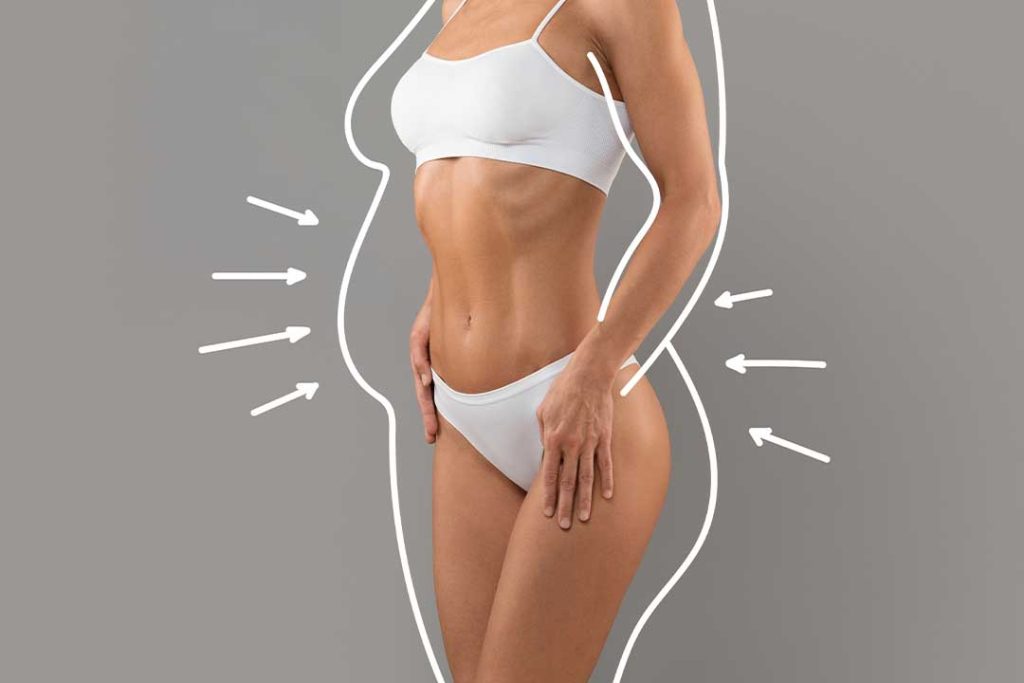
Recently, weight loss surgery Turkey has become one of the most preferred treatments for those who lived other countiries. Today, many people suffer from obesity. Therefore, there are many different treatment methods. Diet, exercise, and more solve your height problem. People also choose surgical operations for solving their height over problem. So, many question come in mind, such as what is it, how is it performed, what kinds of bariatric surgeries and also most important where should be it performed. Here, you can get the answers of all these questions.
Sometimes, performing any surgical procedure may be very difficult for you. Therefore, you should get more information about procedure, cost, location, doctors, and more. And, you well criticize all of these before decision. Turkey is the best option for you to have bariatric surgeries. Turkey bariatric surgeries include gastric sleeve, gastric balloon, tube stomach, and duodenal switch respectively. Each one is performed in different conditions. First, we began to explain what is weight loss surgery, or bariatric surgeries.
Weight loss surgery, or bariatric surgery, is the surgical procedure for solving obesity. This procedure is performed many different ways. These ways may differ depending on patient’s conditions. Recently, Turkey has become the best health-tourism location in the world. So, many people, who have a surgical procedure, prefer Turkey. With the affordable cost and experienced surgeons, Turkey provides you with the best treatment opportunity. Especially, Zaren Health is the best choose for you.
Zaren Health offer many opportunity;
Bariatric surgeries contain many variety operations. The operations are;
Thus, you can find the best suitable treatment for yourself. Now, let’s delve into them.
Gastric sleeve procedures in Turkey are conducted by skilled bariatric specialists employing cutting-edge surgical methods and tools. Zaren Health specializes in a variety of obesity treatments and provides comprehensive care to patients, ranging from pre-surgery consultations to post-operative monitoring. Zaren Health boasts the top sleeve surgery expert in Turkey.
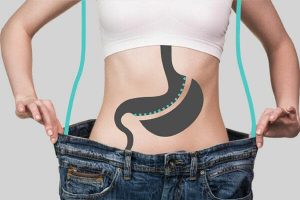
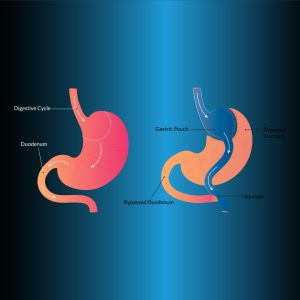
Gastric bypass and mini gastric bypass are both bariatric surgeries aimed at reducing the size of the stomach and rerouting part of the small intestine to facilitate weight loss. Here’s an overview of both:
Procedure: In the Roux-en-Y gastric bypass: The stomach is divided into a small upper pouch and a larger, lower pouch. The small intestine is then rearranged to connect to both. The top portion of the small intestine (the duodenum) remains connected to the lower stomach pouch, while the next portion (the jejunum) is directly connected to the small upper pouch. This rerouting causes food to bypass a large portion of the stomach and the initial section of the small intestine.
Results: This procedure significantly reduces the volume of food the stomach can hold, and it decreases the absorption of nutrients, which can lead to rapid and significant weight loss. It also induces changes in gut hormones that promote satiety, suppress hunger, and reverse one of the primary mechanisms by which obesity induces type 2 diabetes.
Risks: Potential risks include surgical complications, nutritional deficiencies, and “dumping syndrome,” where food is “dumped” directly from the stomach pouch into the small intestine without being digested.
Procedure: The mini gastric bypass is a simpler procedure than the RNYGB: The stomach is divided into a tubular stomach along the lesser curvature, similar to the gastric sleeve, but then the intestine is brought up and connected to this tube (anastomosed), bypassing a larger length of the intestine than in the RNYGB. This results in both restrictive (smaller stomach volume) and malabsorptive (decreased nutrient absorption) effects.
Results: Studies have shown that the mini gastric bypass can be as effective as the RNYGB in terms of weight loss and improvement or remission of comorbidities like diabetes.
Risks: Along with the general surgical risks, there’s a potential for bile reflux because there’s no “Roux limb” to prevent bile from flowing back into the stomach pouch. Bile reflux can cause gastritis and increase the risk for gastric ulcers and possibly esophageal cancer in the long term. However, long-term studies are still ongoing to understand these risks better.
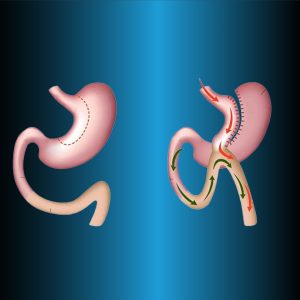
The Biliopancreatic Diversion with Duodenal Switch (BPD/DS), commonly known as the Duodenal Switch (DS), is a more complex bariatric surgery that combines both restrictive and malabsorptive elements. The surgeons less commonly perform than the gastric bypass or sleeve gastrectomy but can result in significant weight loss and improvements in health.
Weight Loss Surgery Turkey Biliopankreatik Diversion and Duodenal Switch (BPD-DS)
Biliopankreatik Diversion and Duodenal Switch (BPD-DS)
Procedure:
Restrictive Component: The surgeon remove a large portion of the stomach, similar to the gastric sleeve procedure, but the pylorus (the valve that releases food to the small intestine) remains. This results in a smaller stomach and reduced food intake.
Malabsorptive Component: The small intestine is rearranged to separate the flow of food from the flow of bile and pancreatic juices until they meet in the last 18-24 inches (45-60 cm) of the intestine. This results in significantly reduced calorie and nutrient absorption.
Results:
Weight Loss: BPD/DS often results in a greater weight loss when compared to other bariatric procedures. It’s common for patients to lose 70-80% or more of their excess weight.
Comorbidity Resolution: Due to the substantial weight loss and hormonal changes post-surgery, many obesity-related health conditions, such as type 2 diabetes, hypertension, and sleep apnea, see improvement or complete resolution,.
| Surgery Type | Minimum Price (USD) | Maximum Price (USD) |
| Gastric Sleeve | $3,500 | $6,500 |
| Gastric Bypass | $4,000 | $7,500 |
| Duodenal Switch | $5,000 | $8,500 |
Please keep in mind the following:
Lastly, it’s essential to prioritize your health and safety over costs. Ensure the clinic and surgeon have proper certifications, positive reviews, and relevant experience.
When it comes to transformative weight loss solutions, Turkey has emerged as a global hotspot, boasting state-of-the-art medical facilities, internationally-acclaimed surgeons, and competitive prices. But among the myriad of options, there’s one name that consistently stands out – Zaren Health.
It’s not just about shedding pounds; it’s about regaining confidence, health, and a zest for life. At Zaren Health they believe in transformative experiences, and their success stories speak for themselves. For anyone considering weight loss surgery in Turkey, Zaren Health is more than a choice; it’s a promise of excellence. Book your consultation today and embark on a journey to a healthier you.
Yes, weight loss surgery in Turkey is generally safe when performed by qualified surgeons in accredited medical facilities. Many Turkish hospitals have international accreditations and certifications. It’s essential to research and choose a reputable clinic or hospital, and ensure that the surgeon is board-certified and experienced in the procedure you’re considering.
The cost of weight loss surgery in Turkey is typically lower than in Western countries, making it attractive for medical tourism. The exact cost depends on the procedure (e.g., gastric bypass, sleeve gastrectomy, or gastric balloon), the facility, and other factors. On average, prices can range from $4,000 to $15,000, but it’s always best to get a personalized quote from the chosen facility.
The recovery time can vary depending on the specific surgery. Generally, patients may spend 2-3 days in the hospital after a surgical procedure. After operation, we recommend that you stay in Turkey for at least another week for post-operative check-ups. Therefore, complete recovery and return to normal activities might take a few weeks.
Major hospitals in Turkey, especially those catering to international patients, often have English-speaking staff, including doctors and nurses. Additionally, many facilities offer translation services or assistance for foreign patients to ensure smooth communication.
Yes, Zaren Health offers comprehensive post-operative care, including nutritional counseling, psychological support, and follow-up medical check-ups. It’s essential to maintain communication with your medical team and follow their guidance for a successful long-term outcome.
The recovery time can vary depending on the specific surgery. Generally, patients may spend 2-3 days in the hospital after a surgical procedure. After operation, we recommend that you stay in Turkey for at least another week for post-operative check-ups. Therefore, complete recovery and return to normal activities might take a few weeks.

Hello!