Home » All-on-4 Dental Implants in Turkey for Full Smile Restoration
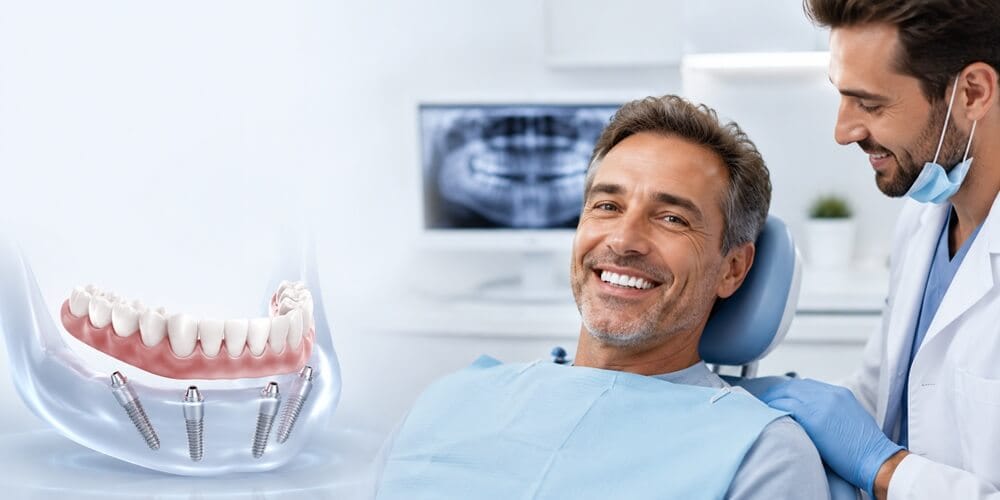
Turkey is evolving as an accessible and reliable destination for demanding dental treatments, with All-on-4 implants among the most frequent interventions sought. These implants are intended to restore an entire dental arch using four prosthetic implants per jaw, exploiting the biomechanical advantages of imposing axial axial forces on the implants. Supported by several studies, All-on-4 implants exhibit favorable clinical outcomes. Nevertheless, patient selection considerations differ from those employed for traditional bone-graft-angle-augmentation approaches. An overview of the surgical procedure and postoperative recovery period offer information for potential patients and a thorough appraisal for clinicians, complemented by an economic discussion. All-on-4 cost Turkey components are detailed to furnish prospective patients clear communications. No element of the work, including the cost perspective, is driven by commercial considerations. Turkey’s emerging appeal as a destination for All-on-4 implants relies on the convergence of clinical, technological, economic, and site factors.
The All-on-4 approach permits installation of a non-aesthetic provisional prosthesis within 48 h and minimal postoperative discomfort, allowing immediate functional recovery. Immediate restoration with non-occlusal loading by means of a reinforced acrylic denture within a week is often achieved, and considerable soft tissue healing permits installation of the definitive prosthesis within 4 months. While general satisfaction is reported across studies, only a few have assessed aesthetic outcomes. Furthermore, information on long-term fitted prosthesis maintenance remains limited. Nevertheless, All-on-4 implants provide a valid, safe, and predictable solution for patient unfit for reconstructive surgery and patients with bone atrophy.
All-on-4 Implants in Turkey implant prices in Turkey are very affordable for you. If you do not like your dental appearance and want to change it, you can easily get all-on-4 implants in Turkey by contacting Zaren Health. At Zaren Health, we offer you the best dental treatment consultancy.
All-on-4 implants in Turkey are a treatment option for patients with fully edentulous arches to receive fixed prostheses supported by four implants with minimal bone preparation. The distal implants are tilted 30° to avoid the maxillary sinuses in the maxilla or the inferior alveolar nerve in the mandible, facilitating the use of longer implants (A Minase et al., 2024). Providing immediate loading reduces the number of clinical appointments, with favourable aesthetic and functional outcomes, and high implant survival rates (Harishchandra Gaonkar et al., 2021). Prospective studies report mean survival rates of 99.8 % after 24 months’ follow-up for maxillary and mandible reconstructions with the All-on-4 technique.
The All-on-4™ concept begins with a conceptual framework centred on the use of a reduced number of implants placed in a specific manner. Brånemark et al. were pioneers in proposing that a full mouth dental implants Turkey supported prosthesis could be achieved on four implants (A Minase et al., 2024). They defined specific locations and inclinations to maximise overall biomechanics. Mandibular implants are placed almost parallel to the angulation of the jaw while maxillary placement is tilted to 30° enabling a longer engagement into the denser maxillary cortical bone. In addition, the maxillary implants are placed in the opposing anterior without covering the maxillary sinus. Axis skeletal references are established by independent radiographic tracing in order to carry out implant planning on a study model. Consequently, directly drawing the horizontal reference on the model saves time on the computer. The All-on-4 concept allows imediate prosthetically guided implant placement and unloading at the same time of extraction. Additionally, implant length can be maximised in areas where bone is available allowing distribution of functional loading under the multi-unit abutment. Full mouth dental implants Turkey rehabilitations in cases of complete edentulousness account for a considerable proportion of treatment modalities. Treatment requires a comprehensive understanding of the biomechanical considerations engaged in such comprehensive dental rehabilitation (Chandrashekhar Kelkar et al., 2021).
All-on-4 refers to the methodology of extracting irreparably damaged teeth from a completely edentulous arch, subsequently placing four implants in suitable positions and angulations within the residual bone, and asynchronously attaching an interim prosthesis or a fixed teeth in Turkey multi-unit framework containing an interim prosthetic solution (Harishchandra Gaonkar et al., 2021). All-on-4 dental implants are substitute teeth anchored into the maxillary or mandibular bone using the All-on-4 concept. All-on-4 implants are indicated for patients with signficantly compromised dentition in need of immediate functional replacement. An oral evaluation, imaging analysis, and medical history review are essential for effective treatment implant planning (A Minase et al., 2024).
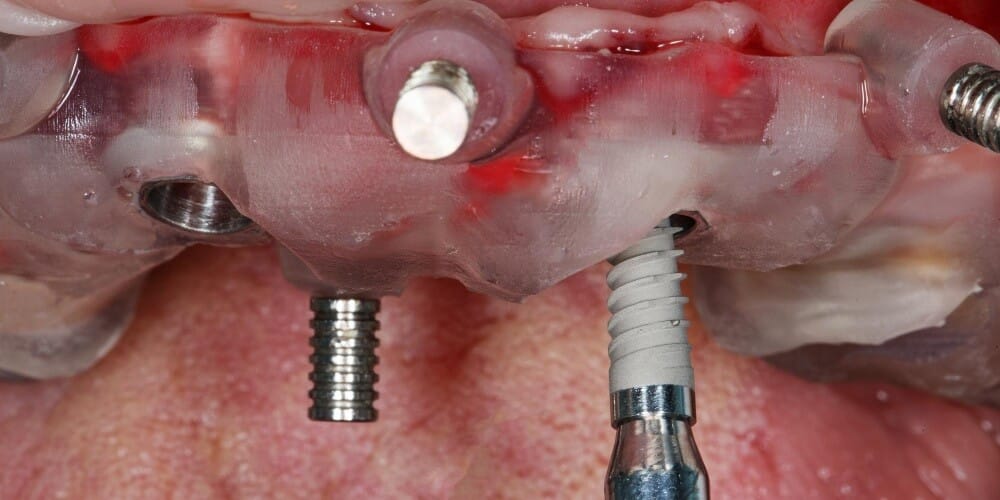
The All-on-4 concept uses tilted implants, positioned at a preferred angle depending on the maxilla or mandible and available bone, to provide support while avoiding unnecessary bone grafting. Guided surgery techniques can increase the accuracy and quality of implant placement. All-on-4 dental implants can be proposed when there is sufficient support to place four or more implants, if the interarch gap for prosthetic components is at least 12 mm, and whenever provisional measures cannot be used.
The All-on-4 treatment concept emerged in the late 1990s. In 1999, Malo and co-authors presented their treatment protocol at the American Academy of Osseointegration (AAO) annual meeting, where they described the concept of tilting the distal implants in the edentulous maxilla and mandible in an attempt to increase the number of patients who could receive a fixed teeth in Turkey rehabilitation positioned on only four implants. The first publications followed in 2003, and protocols for immediate loading of edentulous arches were introduced in 2004 (A Minase et al., 2024). Because the internal connection type promotes a secure and safe three-dimensional relationship with the prosthesis, the concept has been widely disseminated and used for all types of bone and occlusal conditions with both straight and tilted implants.
Research supporting the All-on-4 concept has been conducted since shortly after its origin (Harishchandra Gaonkar et al., 2021). Since 2009, 50 and 64 studies regarding axially loaded and tilted implants, respectively, have been published. Over 50% of angles of completely edentulous restoration papers focus on the All-on-4 concept; however, prospective clinical studies examining tilted implants are non-existent. Consequently, comparisons between the survival and success peri-implant parameters of axially and tilted implant systems in the All-on-4 concept cannot be performed. Furthermore, the Park et al. classification system, based on only two studies, enables the implant planning and prediction of clinical outcomes following early, immediate, and conventional load concepts.
The All-on-4 treatment protocol has gained immense popularity and has undergone evolution during the past decade. As the rehabilitation of edentulous patients necessitates enormous time, communication, and logistical effort, the concept of All-on-4 became an attractive and treated option.
The All-on-4 treatment concept is indicated in fully edentulous arches, especially in patients with insufficient bone volume or quality (A Minase et al., 2024). Since up to 30% of maxillary bone volume may disappear following a tooth extraction (Harishchandra Gaonkar et al., 2021) , an accurate assessment of the hazard is required. Risk stratification of surgical procedures permits the adopting of a global perspective and patient-tailored, appropriate treatment implant planning.
Clinical oral examination includes a general check-up, along with an evaluation of the dentition and dental tissue. A comprehensive description should be provided of the occlusion class, overbite, overjet, and presence of parafunction habits such as clenching or bruxism. Tooth wear or coronal fracture involving a restoration is also significant…
Implant therapy is a contemporary dental restorative alternative, widely used to reinstate aesthetic appearances, restoration of teeth and improve the chewing capacity of an individual. One of the common treatment used all over the world to replace multiple teeth in a single visit is the All- on-Four dental Implant concept. Following permanent teeth loss, all the remaining teeth are replaced with fixed teeth in Turkey conventional dentures supported by Remaining natural tooth
The treatment concept allows as an alternative to classical full mouth dental implants Turkey rehabilitation with a combination of four implants placed in the same clinic. The fixed complete denture fixed teeth in Turkey on the four implants is called All-On-Four. Zygomatic implant is of value to circumvent the sinus elevation surgical procedures by distal loading at the location, support for both restoration and aesthetic is maximized Feasibility of operation of the All-On-Four is enhanced. (Harishchandra Gaonkar et al., 2021)
Patient candidates for the All-on-4 procedure should undergo comprehensive clinical and radiological assessments. Careful oral examination provides the most reliable data to establish a preliminary diagnosis. Typical signs and symptoms include severe caries, loss of periodontal support, dental mobility secondary to advanced periodontitis, or maxillary or mandibular neoplastic lesions. Preoperative imaging procedures must determine the facial skeleton’s anatomical relationships and support the diagnosis of conditions preventing surgical intervention, such as disease of the inferior alveolar nerve canal.
The most widely accepted preoperative imaging procedure is cone beam computed tomography (CBCT). When combined with a digital patient record, it allows 3D surface detection and simulation of the whole surgical procedure, including the change of the dental arch forms. Procedure simulation combined with the all-on-four technique permits better quality and timing in maintaining upper and lower jaw relationships, allowing the use of an implant-retained complete denture in its early stage with proper aesthetics. The main contraindications to using CBCT images are the impossibility of determining jaw relationship and gonial angles and the difficulty in detecting radiolucent lesions affecting the soft tissues.
Potential All-on-4 patients often present multiple medical conditions or comorbidities that may affect treatment. Decision-making, therefore, requires an in-depth evaluation of overall health and a comprehensive risk analysis to determine the benefit-cost ratio of prostheses and the justification for performing such extensive surgery given the presence of medical conditions. Established indices like the American Society of Anesthesiologists (ASA) Physical Status Classification System can help assess the risk associated with surgery (Harishchandra Gaonkar et al., 2021).
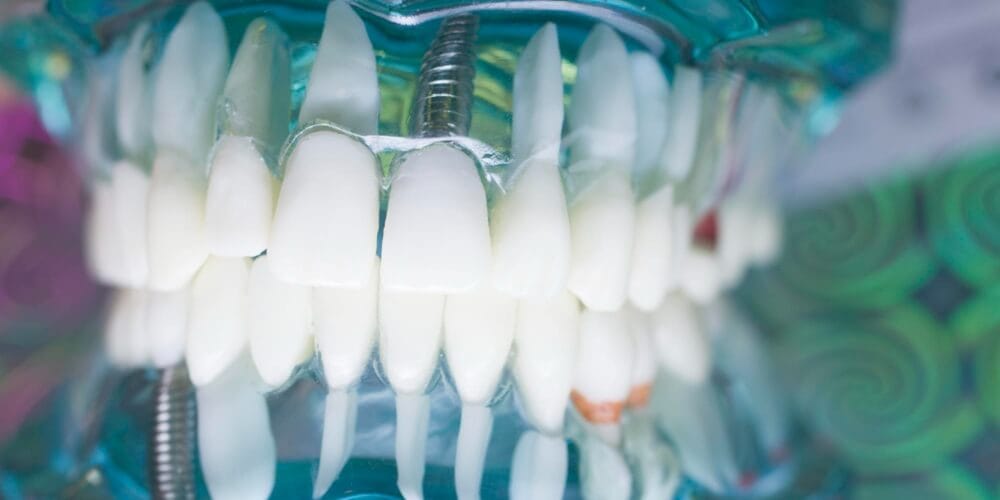
The All-on-4 technique maximizes the use of existing bone and minimizes cantilever extension. The implants are strategically located in areas with sufficient bone and the framework is designed so as to avoid loading parts that are not supported by artificial roots. Four strategically placed implants will be inserted in the middle arch, with two axial ones to bear the majority of vertical loading and two tilted ones in the posterior position. Tilted implants will support the distal cantilever and add a posterior extension to the framework (A Minase et al., 2024).
Unlike the Maxillary Bridge, which relies on a single short implant, the All-on-4 without bone grafting employs four implants instead of two. A precise evaluation of the surgical field reveals that additional augmentation is required in the anterior area to perform the Maxillary Bridge, because the horizontal bone height is too low to accommodate any restoration. At the maxillary sinus, either conventional graft augmentation or instrumentation of Osteology is an option. The All-on-4 method conserves bone, preserves the anatomical contour, and requires less surgical manipulation.
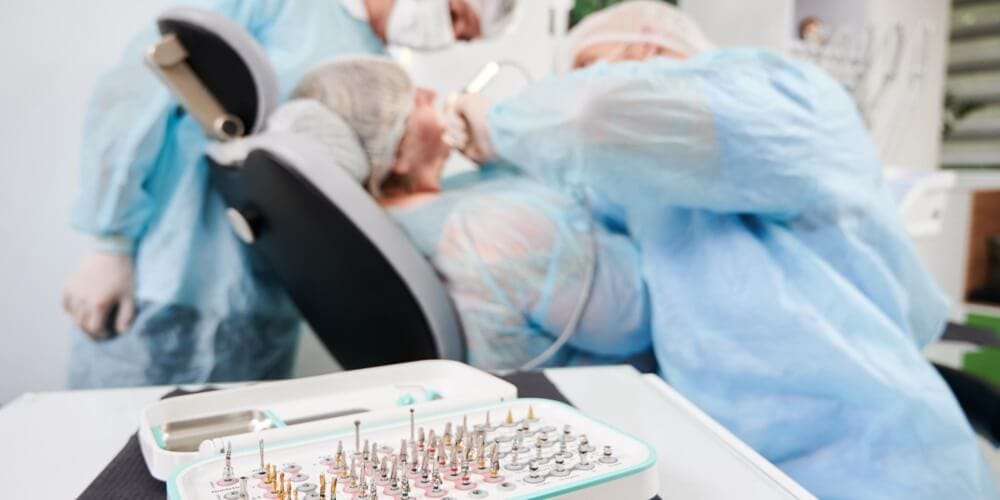
The All-on-4 procedure begins with the placement of an intraoral scanner and a pre-planned surgical guide. Following the regional anesthesia procedure, implants will be inserted according to the surgical guide. Pre-framed resin surface teeth will be applied in accordance with an existing set of teeth or simulated projected set of teeth.
To accomplish both prosthetic and fixed solutions in totally edentulous patients, preliminary pre-operative implant planning is mandatory. A first idea of the ideal implant position can be achieved through the use of a wax rim occlusal plane : fixing this on the maxilla — as in the classic prosthetic adaptation protocol adapted to the use of a denture filled with mucose lubricant — an intuitive idea of occlusal level can be established, allowing subsequent angular modulation through transversal and sagittal directions to reach preciser positions. It is recommended to use radiographic stents before surgical intervention to collect three-dimensional coordinates of the proposed approaches. This stage is crucial to comply with the objective of the surgical technique and to offer permanent prosthesis horary in patients included in the All-on-Make program. A position determined by a few steps that enhances the effort of the clinician by limiting additional surgical and prosthetic pointers, thus finishing the whole clinical path in a shorter time. Radiographic excavation of a 4-4-2.5 configuration of non-coiling film leads to a similar implant position even in the absence of a 3D scanner. Implant installation then proceeds outside the guided model. The more quadrantal penetrating the locating equipment, the more intuitive the independent surgical step remains when approaching the implant installation. Two points of view, both from a prosthetic and a surgical path, around a similar location constitute useful references that maintain excellent mutual orientation during manoeuvres.
The procedure may be performed under local anesthesia, sedation, or general anesthesia, according to the clinic and patients’ needs (A Minase et al., 2024) ; Lopes et al., 2020). Local anesthesia generally involves the administration of articaine, and sedation usually includes diazepam or midazolam. General anesthesia is rarely used, but when required, tracheal intubation and inhalation anesthetics are preferred to prevent respiratory obstruction from blood or aspiration of bone fragments.
Surgical access to the maxilla can be achieved through a mucoperiosteal flap (Lopes et al., 2020). This approach enables a panoramic view of the alveolar ridge for necessary procedures such as tooth extraction, crestal bone widening, and implant placement. A mucoperiosteal flap is also required for access to the same site in the mandible. Generally, buccal releasing incisions are made and elevated bucco-lingually nearly to the vestibule with an elevator. A more complex flap design involves a lingual releasing incision in the mandible to improve access to the lingual aspect of the ridge using the lingual flap. General anesthesia may be vital in cases requiring this more advanced flap design.
Immediate loading of implant-supported dentures Turkey restorations in the edentulous maxilla and mandible has been shown to achieve satisfactory outcomes 2- to 5 years after placement (Daas et al., 2015). The All-on-4 protocol is designed to maximize primary stability, allowing immediately loaded fixed restorations to be placed 2 hours after surgery. Four implants are used for the complete rehabilitation of an edentulous jaw and can be placed using a flapless technique.
A full-arch implant-supported dentures Turkey restoration can be attached to an edentulous mandible and maxilla rehabilitated 6 days or more after the extraction of the remaining teeth. This All-on-4 approach is a clinical treatment alternative to single-tooth implants where conventional full arch restoration rehabilitation using more than 4 implants is not possible. The reconstruction of a full arch restoration on day 12 in patients with poor bone quality, severe bone resorption related to previous dental infections, or fibrous containing cyst or bone infected with actinomyces is suitable (Cercadillo-Ibarguren et al., 2018).
Immediate loading of implants involves placing implants and attaching prostheses shortly after placement, often in the same appointment. Studies have shown successful outcomes with immediate loading in edentulous jaws and single-tooth replacements. Factors influencing success include primary stability, implant design, and patient bone quality. Proper case selection and surgical technique are essential for the success of immediate loading protocols.
After the completion of the surgical procedures, temporary teeth, full mouth dental implants Turkey restoration is generally provided to the patient. This restoration is specifically designed for immediate placement, allowing for a patient’s satisfactory functional and aesthetic rehabilitation until the final prosthesis is delivered (Chen et al., 2022). A meticulous assessment of the patient’s facial contour, smile line, occlusal plane, and phonetics is performed during the framework try-in. It is worth noting that these parameters must be stable and free from adjustments during the subsequent steps of bite registration, articulation, and delivery.
To optimize healing, patients are advised to follow a soft diet of mashed or pureed foods and to avoid biting on the interim prosthesis. The general progression begins 24 hours post-surgery and involves gradual reintroduction of normal solid foods over the subsequent two weeks. The patient should resume routine oral hygiene no later than one week after surgery, except at the surgical sites. After overdenture or prosthesis removal, foot care instruction is provided. The postoperative schedule is favorable for follow-up control visits.
In addition to check-ups for clinical permanence or progressive evolution of specific conditions, health professionals such as diabetic-compliant patients, those with cardiovascular risk factors, and uncontrollable smokers warrant follow-up after surgery. As needed, the occlusal relationship and the need for provisional prothesis control are made for patients with prominent occlusal teeth in detras between dental arches, yet the post-op schedule remains fair. Surface curing light compliance and habitual plaque evaluation should be routinely monitored, increasingly in diabetic patients.
Seven days after the surgery, during plaque evaluation and under the indicated conditions, occlusal control and provisional prothesis resumption require verification. After one month of permanence for the provisional prothesis material, occlusal systematic checks are typically respectable, paragraph replacement consideration remains adverse among standard specifications firm.situations, occlusal fingerprints and/or need for occlusal admixture refinement purposes are strongly desired (A Minase et al., 2024).
Rehabilitating a completely edentulous arch using conventional fixed prostheses may require multiple implants and bone grafting due to anatomical constraints imposed by the sinus in the maxilla and the mandibular canal, along with insufficient inter-arch space for an appropriate prosthesis design. The All-on-4 treatment concept aims to simplify the restoration of completely edentulous arches and reduce patient morbidity by requiring fewer implants, avoiding bone grafting, and immediately loading the prosthesis; 70% of dentate patients aspire to become edentulous without removable prostheses due to the low satisfaction experience with lower dentures. The All-on-4 concept prescribes inserting two straight implants in the anterior region and two posterior implants tilted at 30° to the occlusal plane, permitting a fixed immediate-loaded prosthesis to be inserted on the same day and suitable for both completely edentulous patients and those longing for an alternative to lower removable denture. The long-term survival rates for implants inserted using the All-on-4 treatment concept yield favorable results and become a viable treatment option for completely edentulous jaws (A Minase et al., 2024). The All-on-4 treatment strategy facilitates early rehabilitation, reduces overall treatment duration, and improves patient satisfaction and quality of life (Harishchandra Gaonkar et al., 2021).
Immediate or early loading of full arch restoration, fixed-segment rehabilitation eliminates several conventional therapy procedures involving inter-maxillary fixation, fewer contacts, bite registration and transfer, the surgical stent and implant impression. Immediate loading of complete rehabilitations facilitates an evolution from conventional to digital façade design with dental CAD/CAM systems for tooth preparation or a full reconstruction, where the reconstruction is driven by the occlusion, anatomic profiles and wax-up (A Minase et al., 2024). Eliminating void generation and accumulation of fat- and dust-like foreign materials from the external environment through proper sealing, intra-oral hydraulic builds a jointly-pressurised soft-tissue mass close to 7.0 kPa, enhancing the soft-tissue integrity. The total physiological and biological load-to-load averagely holds at 0.28 within of the All-on-4 constraints, helping minimise the over-loading problem of varying localised surfaces surrounding the implants and maintain the long-term peri-implant tissue biocompatibility and contour (Harishchandra Gaonkar et al., 2021). In regenerative cases involving compromised geometry, the All-on-4 concept is considered to be more favourable for better peri-implant preservation, simplified case analyses, lowered surgery aspects, minimised biological possibility, reduced overall expenditure in terms of money, time and material, and less opportunistic problems related to pre-operation cases.
All-on-4 prostheses reportedly improve patient satisfaction and quality of life (A Minase et al., 2024) , but a lack of focused investigations into their aesthetic outcomes exists. Analysis of explicitly aesthetic-related postoperative parameters remains scarce—such as soft-tissue appearance, implant and denture visibility, and gingival contour—underlining the need for patient-centered evidence (Wittneben et al., 2018).
Aesthetics represent a determinant factor in patient satisfaction. Initial expectations are therefore considered crucial, as they inform both final assessment and treatment perception. The All-on-4 protocol requires a different conceptual framework than traditional approaches—and aesthetics might appear critically compromised at first glance. Nevertheless, patient perspective and understanding of long-term sequence are vital for their appreciation of the aesthetic progression involved.
Several prosthetic techniques such as conventional fixed partial dentures, removable partial dentures and complete dentures exist for treating patients who are completely edentulous or have lost multiple teeth. However, these traditional approaches have some severe drawbacks, leading to compromised aesthetics and limited denture stability. Patients are often impacted by the troubles of changing parameters of the prosthesis owing to a shortage of associated residual teeth. All-on-4 implants offer more advantages than conventional methods since rehabilitation associated with bone grafts and resources of post-operative height is eliminated. Remaining teeth are not involved in rehabilitation, and the provision of articulation is improved over conventional dentures (A Minase et al., 2024) ; (Chen et al., 2022).
To determine the all-on-4 cost Turkey and price variations, there are four key factors. The price trends among 64 countries show that the average cost of an All-on-4 implant is approximately €9168, with Turkey ranking among the most affordable in the European spectrum (A Minase et al., 2024). In Turkey, where dental and health care costs are considerably lower, the price range is €2500 to €4500. The overall all-on-4 cost Turkey includes components such as scans, models, surgery, and platform protocol. For international patients, insurance plans generally do not cover or reimburse All-on-4 implants; therefore, the personal expenses involved are entirely out-of-pocket. Furthermore, from the perspective of time and money, the All-on-4 approach is comparatively economical because it requires only four to six dental implants and a single jaw level, combined with a one-time jawbone support surgery. The additional advantages—such as savings and a quicker procedure—are appealing (Harishchandra Gaonkar et al., 2021).
Turkey appears to be a prominent choice for dental implants when the country is contrasted with others in the region. Data on the market reveal that Turkey stands out for its technological advancements, competitive prices, and elevated service quality.
Assessment of All-on-4 implant procedures in Turkey indicates that the cost of the components varies between clinics and manufacturers. Adversely, the price of care offered in Turkey is frequently lower than that available in Western Europe and North America, chiefly because of differences in overheads, providing an economic incentive to travel abroad. Globally, all-on-4 implant treatment costs tend to be lower in Saudi Arabia, Jordan, and Brazil (M. Elbuluk et al., 2017).
Multiple reasons account for price variation in all-on-4 restorations. Firstly, implant systems employed differ. Even within the same brand, configuration, and abutment count, device features, guarantees, and protocols vary. As a result, materials incurring extensive preparatory costs for study and development, prototype construction, and verification naturally attract a premium price.
Secondly, extraoral prosthetic components can be used to connect supports or stabilising structures. The possibility of reduced or even omitted laboratory intervention for a screw-retained denture lengthens the elaboration time in the absence of these items and significantly reduces the price. Thirdly, laboratory materials for open- and closed-architecture dentures differ widely, and the trend of time-consuming free-hand modelling using acrylic mass prevails over the speedy and drastically cheaper CAD-CAM solution.
Health-related travel for aesthetic and implant dentistry, although generally limited in Europe, has become more common among residents of the United States, Canada, Australia and certain parts of the Far East. Turkey is among the most popular, partly due to marketing and pricing (A Minase et al., 2024). However, even without travel, overseas clinics have been rapidly gaining clientele in the past two decades.
One particular overseas offering has piqued interest in patients with multiple edentulous arches: “All-on-X” dental implants are positioned to restore an arch of teeth on as few as four implants, guided by prosthodontic principles based on where the occlusal loads occur rather than conventional notions of implant position. Pricing for each of the four implants and their components is listed on the clinic’s website (Losenická et al., 2021).
Despite significant improvements in the quality of life created by All-on-4 implants, they have not been widely adopted for officially published economic evaluations. Estimates indicate that the all-on-4 cost Turkey restoration ranges from Ara.TL 26,000 to Ara.TL 46,000 (Van de Winkel et al., 2021). Van de Winkel et al. proposed a societal perspective for estimating cost-effectiveness, suggesting that patient satisfaction (measured in terms of the willingness to pay for an All-on-4 implant restoration) might be the most useful indicator of the added value of an All-on-4 implantation. While All-on-4 procedures have a large set of different outcomes (Losenická et al., 2021) , a single value that can summarize the satisfaction obtained through any given set of oral health improvements is thus degenerate. In nearly all implant patient populations, the implant type is frequently changed during studies, along with the implant substance (the most used in the literature being titanium) and the technical follow-up. Because of the widely diverging outcome parameters measured, no single metric can summarize the performance of implant concepts in the All-on-4 protocol.
The postoperative healing period may vary among individuals, dependent not only on the complexity of the procedure but also on the presence of underlying medical conditions, smoking habits, and adherence to postoperative recommendations. Healing generally occurs in three stages, running along a timeline similar to that for conventional implants. The first few days can be marked by mild discomfort and tissue swelling. These symptoms subside progressively, after which restoration, if not already placed, can occur. The swelling often persists longer in conjunction with the provision of prosthetic restoration, but this is not an impediment to temporization. The residual bone tends to fill in adjacent to the implants, with the rate of filling potentially influenced by the dimension of the restoration at the time of loading (A Minase et al., 2024).
Complications can still arise. In the early stages, failure may occur as a result of screening errors or a lack of experience. Consequently, a thorough medical history evaluation should be conducted prior to surgery. Later complications may involve the loosening of screws or prosthetic elements, which must be managed at an early stage, especially if associated with discomfort or foul odour. In the longer term, careful consideration of occlusion and different loading protocols is required to prevent screw loosening. Regular maintenance can avoid further issues. When soliciting their client’s approval for tooth extraction and implant indication, it is beneficial to conduct a precise survey of regular medical follow-up (Harishchandra Gaonkar et al., 2021).
In general, the healing process after implant surgery can be divided into three overlapping phases: (1) initiation, formation, and stabilization of the bone-implant interface, (2) establishment of a functional relationship between the bone and the prosthesis, and (3) adaptation of the surrounding tissues to the emerging tissue and load (A Minase et al., 2024). During the first phase, which occurs from immediate loading until one month after surgery, the stability of the restoration is secured by the micromovement at the interface as the bony support develops. Additional grafting may interrupt this stabilization, so it is usually avoided. In the second phase, between one to two months after surgery, the augmented tissues gradually remodel, and the tissues around the restoration return to the former state. During this phase, proper loading on the restoration should be maintained to avoid excessive stress. Stabilization of the occlusion may be desired. Hence, in most cases, only denture-type restoration is adopted. Finally, the third phase starts two to three months later. The augmented tissues completely mature, and the healing of the surrounding tissues is essentially accomplished. The types of restoration then depend on the stimulus required by the existing tissue. CAD/CAM and 3D printers enable the fabrication of acrylic provisional and final restorations that replicate the original shape of the denture at low cost and high efficiency, allowing subsequent pre-surgical contour evaluation (Daas et al., 2015).
In 3.3 million cases, bone loss procedures enable immediate loading with satisfactory long-term outcomes. Despite advanced surgical techniques, postoperative complications remain frequent in rehabilitation procedures like All-on-4 implant therapy. Awareness of potential complications, together with timely follow-up vigilance, is essential to minimize complications. On average, prosthetic implants exhibit an accumulated survival rate of 97.0–100% after 12 months.
Awareness of complications following implant-supported dentures Turkey oral rehabilitation minimizes and enables their effective management (A Minase et al., 2024). The literature highlights multiple potential complications associated with All-on-4 treatments, including:
– Pain (occurring in 10–30% of patients)
– Bruising
– Swelling
– Sensory disturbances
– Implant mobility
– Fracturing of provisional adhesive
– Defects in provisional resin
– Marginal bone resorption
– Fracturing of resin prosthesis
The high incidence of both early and late complications draws attention to the distribution of complications between implant and prosthesis. Candidate selection is cited as an important factor influencing complications. Implants are placed frequently at the front of the jaws (minimum of two records 52% of implant) with angulatory orienting (tilt of more than 15 degree 26% of cases), which is believed to match the range of All-on-4 implantation procedure.
Osseointegrated implants in edentulous jaws have consistently demonstrated high survival rates over extended periods (Elpers, 2014). Following the initial healing period, ongoing care is essential to maintain peri-implant health. Comprehensive and consistent follow-up protocols are crucial for preventing the recurrence of bacterial biofilms, which can lead to peri-implantitis and compromise implant longevity. In addition to regular appointments, patients are encouraged to adopt a proactive approach to maintain first molars in the maxilla or mandible, enhancing overall dental hygiene.
Initial assessments for implant-supported dentures Turkey prostheses typically involve collecting data on systemic diseases, oral hygiene practices, and dental-care habits (A Minase et al., 2024). Such records serve as valuable references for subsequent check-ups and allow for early detection of potential complications.
A threefold rationale supports choosing Turkey for All-on-4 implants: the country’s well-established reputation for high-quality esthetic dentistry, its attractive treatment prices, and its growing specialization in All-on-4 rehabilitation.
Turkey boasts a substantial clientele seeking All-on-4 implants, and clinics focus heavily on the treatment. Accompanied by notable marketing, accessible information, straightforward travel procedures, and low rates, the service is increasingly international. Turkey’s reputation for high-quality esthetic dentistry also rests on All-on-4. Strong clinical outcomes inform a growing literature on both proven techniques and regional characteristics (Harishchandra Gaonkar et al., 2021) , and a sizeable community of practitioners engages in formal and informal collaborations and knowledge exchange.
Turkey benefits from an attractive ratio between dental treatment prices and overall visit costs. High-quality All-on-4 rehabilitation, including two to three nights in a hotel and local transfers, remains much cheaper than comparable treatment elsewhere. Total expenditures are lower still than those for less-accessible European destinations.
Clinicians’ skills directly influence the outcomes of All-on-4 implants (Harishchandra Gaonkar et al., 2021). Effectiveness and safety hinge on training, experience, continuing education, and up-to-date knowledge of dental implantology. Accreditation indicates that organizations have vetted clinicians based on their expertise and professionalism and can suffice as an external proxy to evaluate the quality of that expertise.
The general category of All-on-4 implants encompasses the use of a dental implant system with four implants per arch to immediately retain a provisional restoration following the extraction of failing teeth and placement of fresh implants. The strategic positioning of two vertical implants in the anterior region and two posteriorly tilted implants posteriorly minimizes the magnitude of cantilever and implant moments while maximizing the engagement of bone and the use of longer implants. Numerous additional approaches to removable partial and complete denture replacement, fixed teeth in Turkey hybrid prostheses, implant-retained dentures, and multi-implant systems exist; all of these require either a greater number of implants or extensive bone augmentation procedures (Chen et al., 2022).
The All-on-4 concept was developed by Malo and colleagues in 1998 as a simplified approach to full mouth dental implants Turkey placement. The use of long implants is encouraged because bone resorption typically occurs in a coronal direction, exposing any surrounding attached tissue. Aligning the occlusal plane with the patient’s natural post-extraction plane significantly improves the esthetic outcome. Increased correct inclination of the occlusal plane reduces increased vertical dimension and consequently improves the incentive of the patient to undergo bone-grafting augmentation (Elpers, 2014) and would also promote these implants installation technique (A Minase et al., 2024).
Turkey offers a large pool of qualified implant providers and multiple international flight options. The efficiency of the dental tourism flow, coupled with competitive implant prices, adds to Turkey’s appeal. Turkish practices provide comprehensive, patient-centered services that bundle implants with travel and recovery support. Many dental clinics offer a package that encompasses transportation, hotel accommodation, meals, and a local guide to assist patients during their stay. Local airport transport is generally part of an All-on-4 treatment package, along with a set number of hotel nights—typically with a choice of hotel grade—allowing patients to cover the entire implant procedure in the country’s major cities. A Turkish-speaking guide is often included to help non-Turkish-speaking patients communicate with dental professionals, avoid misunderstandings, and promote a sense of security. After surgery, hotels operated or associated with clinics may provide extra comfort and facilitate postoperative check-ups (A Minase et al., 2024).
The average time duration for All-on-4 implants is typically 3 to 4 days for the surgical and prosthetic procedures, with the possibility of same-day loading of temporary teeth prosthetics. Differentiated service providers ensure low pricing without sacrificing quality, brands, or materials. Academic evidence demonstrates a high success rate for this procedure, establishing it as a reliable solution.
Choose a provider offering a total price that includes travel fees, accommodation, and a guarantee. This eliminates unexpected costs after arrival.
Verify the provider’s Accreditation for Global Tourism or similar certification. Select enterprises whose management undergoes regular professional assessments.
Ensure the provider plans to use European-Union-grade implants, and surgery kits from certified European or American manufacturers, with a guarantee on the implanted product.
Prefer clinics allowing 48 hours for a second opinion with another specialized dentist who can review the treatment plan.
Clinicians, patients, and prospects may have various inquiries about all-on-4 implants in Turkey. Common questions cover the procedures performed, equipment, costs, treatment duration, long-term durability, and expected outcomes. Individuals seeking therapy abroad typically inquire about the safety of performing procedures outside their home countries, as well as the accreditation status and certifications of facilities and practitioners. Addressing these frequently posed questions and addressing the corresponding evidence is a key service for clinics that target international all-on-4 clientele.
Evidence-based responses to such questions are presented alongside (A Minase et al., 2024). All-on-4 therapy involves the placement of a restoration supported by four implants; using only four—rather than six—implants exploits favorable biomechanics and covers both jaws with well-distributed loads (Harishchandra Gaonkar et al., 2021). As all-on-4 implants offer predictable long-term outcomes, the extensive five-section overview of the topic includes discussions of feasibility, protocols, postoperative care, and economic considerations.
Clinical practice and outcomes internationally supply support for all-on-4 therapy and establish a rationale for serving overseas prospects. The procedure is performed exclusively within accredited clinics utilizing modern equipment; practitioners routinely support it with follow-up consultations conducted remotely. Arguments addressing the purported risks of obtaining treatment abroad stem from a critical analysis of the premises and veracity of the claims, leading to a counterposition. Emphasis is placed on encouraging prospects to evaluate individual situations comprehensively and seek first-hand information when formulating their own judgments.
The advancement of technology in the 21st century has challenged the paradigm of the dental profession, giving rise to a novel approach to treatment that does not rely on faith alone but is grounded on scientific research. Indeed, such advancements in science and technology are both the rationale and the means of staying abreast today and ensuring that the skills learned during the previous century continue to be transformed into beneficial reality for the patients of the present. The patient experience of the past modality differed significantly from the current reality, a major component being the overwhelming fear of the needle and the human hand. Such fears are now rarely mentioned. In fact, there are practitioners who profess to practice a “needleless” anaesthesia, using only a “wand” in situations where the previous approach of an arterial block commandeered two hours of treatment. The writing of Dr. Evans, et. al., from the Nineteenth, Twentieth and Twenty First centuries remains valid and encompassing. The world of “calcium” is still the main aspect of enamel caries and at the present moment glass ionomer cement is NOT a restoration but an appliance to permit delivery of a restorative material. Time will tell if Nanoconcrits hold up satisfactorily as a restorative since polishing is detrimental and detrimental restorations CANNOT BE CONSIDERED RESTORATIVE. Conclusively, thanx are extended to Dr. Evans J.R., Dr. Ryan H, Dr. Scott L.S., Dr. Hartmut G, and Dr. C.P. for furthering thought. Maintenance of DECAY PREVENTION would be of utmost importance before ANY type of restorative are consider.
Dr. Shih J. Phillips did not introduce the term “dental caries” as a millstone but rather as a sense of responsibility. The “dental caries” process selection marked the beginning of IVOD in the “Ninth” century stressing imagination in consideration of the five recommendations as to not only to preserve the learning of the previous “dental school” but to stimulate progress in that direction. Such progress initiated and maintained a sense of disbelief that the “dental” was not to be undertaken with a single file nor was that the criteria for proper access.
From the Victorian “penologists” to the current proliferation of publications, is “quindecennial” indeed a word. How many “dental schools” existed in the “Nineteenth” century that had moved “North” yet the markings continued.
All-on-4 dental implant therapy addresses a growing need for fast, affordable, and functional solutions to complete edentulism, while providing acceptable aesthetic and phonetic results. Indications for the All-on-4 procedure are expanding beyond the classical scenarios of terminal dentition and localized disease, making it an appealing treatment option for an increasingly diverse population. In Turkey, many domestic and international patients have turned to the All-on-4 protocol, and clinics across the country offer this procedure at prices often 50–70% lower than comparable EU and North American rates, including follow-up care (Harishchandra Gaonkar et al., 2021) ; (A Minase et al., 2024).