Home » Composite Bonding Turkey for Gaps, Chips and Tooth Reshaping
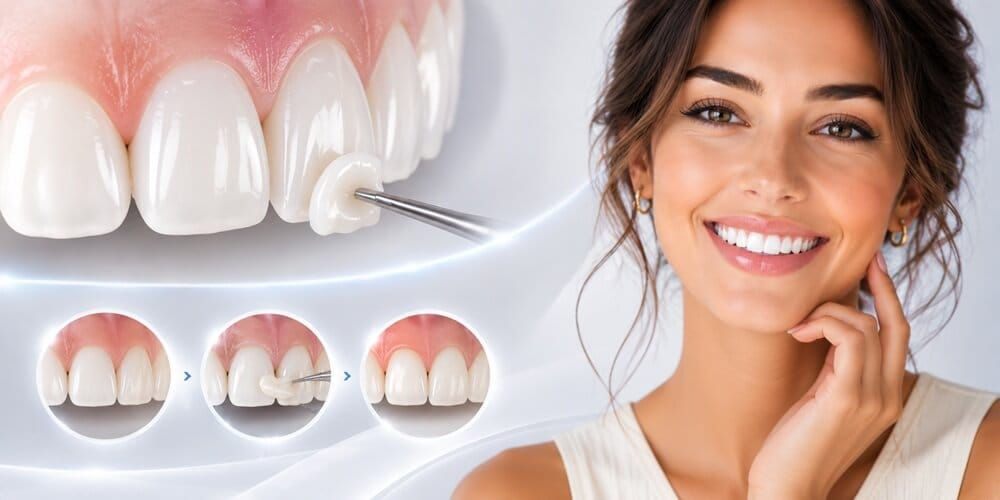
Composite bonding in Turkey has gained popularity in recent years, primarily due to aesthetic considerations and an expressive smile as a health symbol. Composite bonding is a process of applying resin to teeth with the aim of improving aesthetics and function. The current indications, expectations for success, and contraindications in undertaking the procedure are discussed based on evidence described in the scientific literature.
Composite bonding for esthetic enhancement of anterior teeth aims to repair caries or fractures, close diastemas, modify contours, or mask discoloration; it can also be used in select cases to protect or restore dentin hypersensitivity. The technique provides effective functional results, improving masticatory function, color match, and tooth symmetry. Composite bonding is not without risks; the main complications involve staining, hypersensitivity, and debonding of the material, although these can be minimized when contraindications are respected and adequate aftercare is implemented. Studies have concluded that the improvement in gingival health achieved after anterior tooth bonding Turkey contrast markedly with the changes caused by the placement of porcelain veneers.
The first stage in the process involves identification of the indications and careful examination of the teeth and surrounding structures. Teeth must be, or be made, caries-free, the occlusion must be stable, functionally balanced, and free from signs of premature contact, and the supporting tissue must be healthy. Careful analysis of dental shade, spacing, incisal length, wear, and lip position is essential, and a diagnostic wax-up is recommended before definitive treatment. During the preparation phase, a progressive desensitizing regimen may be indicated.
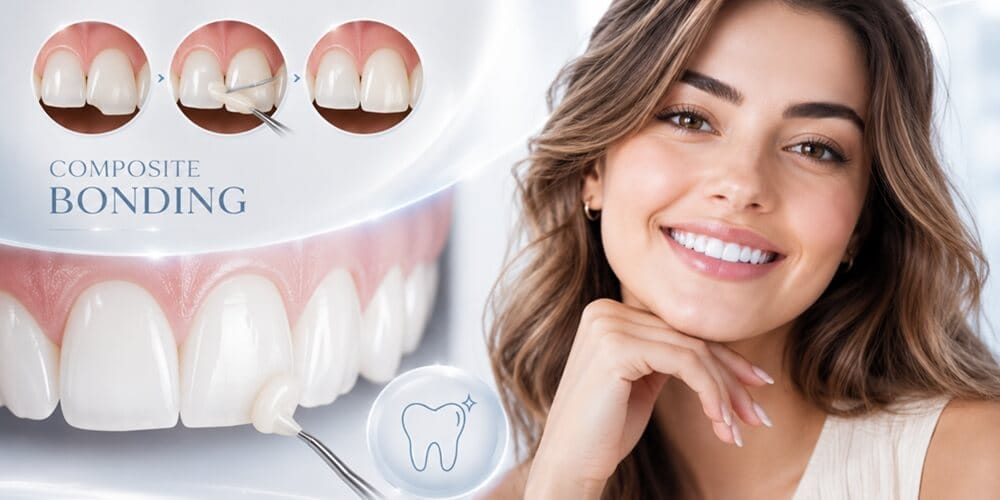
Composite bonding is a tooth-restoration procedure that directly affixes resin bonding material on teeth surfaces. Recent studies endorse composite bonding for building up teeth, treating incisal malpositions, and enhancing looks, provided patients are carefully selected. An optimal protocol covers patient suitability, diagnostic paths, the procedure in detail, and benefits to function and aesthetics.
Composite bonding is widely available in Turkey at a fraction of the normal composite bonding price in Turkey, with low-cost outsourcing driving price competition. Zaren Health markets cosmetic bonding Turkey and dental services, including composite bonding, offering pre- and post-treatment consultations and care coordination. Zaren’s practices have been documented in peer-reviewed studies and receive International Organization for Standardization accreditation.
Composite bonding has burgeoned as a fundamental facet of dental practice, yet scant attention has been dedicated to its tenor in Turkey. Initial methods, notwithstanding clinical benefits, lacked evidence support for specific indications and material choices. Recent developments have advanced clinical protocols and broadened the horizon of indications, diagnostic criteria, material selection, and procedural minutiae, with indications sharpening and evidence base strengthening.
Advances in adhesive technology ushered improved bonding to enamel and dentin. The facile use of composite materials dovetailed with liberalized bonding protocols and heightened patient demand for minimally invasive aesthetic enhancement. Substantial functional benefits were documented, with remarkable mastication improvement in indication-specified cases. Emerging data on symmetry and color matching, supported by aesthetically significant alterations in pentagonal ratios and gingival levels, paralleled increasing patient requests. Expanding indications encompassed tooth reshaping of malposed teeth, masking enamel opacities or stain, closing interdental spacing, and addressing localized enamel decalcification via color-matching robotically-independently layered composites.
Zaren Health provides dental, cosmetic dental bonding, and medical services to national and international patients in Turkey. Facilities are accredited by the Turkish Ministry of Health and the Turkish Standards Institute and ISO 9001-certified. The quality assurance process includes a sophisticated monitoring system, with peer-reviewed outcome data available for most services. Multilingual coordinators assist overseas dentistry patients, establishing initial direct contact, responding to preliminary inquiries, and facilitating treatment and payment arrangements.
Composite bonding follows standard protocols. The comprehensive patient journey begins with a remote consultation, allowing patients to share their goals and doctors to assess suitability. Patients may then book a personal consultation guided by a Zaren Health composite bonding coordinator, enabling detailed clinical assessment, further discussion of goals, and consent to proposed treatment. If composite bonding is indicated and the patient wishes to proceed, shade, shape, and occlusion can be planned, and new impressions taken. Treatment is performed in a single appointment, with tooth preparation minimising enamel removal; dental dams used for isolation; and bonding surfaces lightly roughened to promote retention of the resin. The adhesive system bonds the tooth to the resin bonding composite, and two different shades are used in a layering sequence to optimise aesthetics, with curing throughout. Finishing and polishing produce appropriate contours and surface smoothness, validated against natural teeth.
Zaren Health is a multidisciplinary assembler of dental care in Turkey. Located in the greater Istanbul area, the institution comprises six specialists in implantology, orthodontics, oral surgery, periodontics, and prosthetics. Accreditations include the Ministry of Health of the Republic of Turkey. Quality monitoring centers on patient satisfaction and the absence of postoperative complications—both routinely solicited from patients via digital form by the full-time patient coordinator.
Evidence-based protocols for composite bonding in oral surgery are implemented at Zaren Health. An initial consultation, which may be executed remotely, documents diagnostic findings, treatment goals, and consent. Patients are connected with a dedicated care coordinator fluent in their native language for support at every stage, including appointment reminders. Bonding processes adhere to up-to-date recommendations, and outcomes are documented through standardized photography, allowing both peer review and internal monitoring.
Zaren Health implements tailored, patient-centered care to composite bonding procedures through infrastructure, processes, and standard operating protocols designed to ensure that every patient receives the individualized care they deserve. The organization has been accredited by the Joint Commission International, a globally recognized body dedicated to improving the quality of healthcare in the world. JCI accreditation means that Zaren Health complies with the condition of the provision of healthcare. The outcomes reflect the priorities of the patients and caregivers.
Patients are assisted at every step of their journey by an experienced care coordinator, usually an English speaker. Zaren Health’s contact center guides each patient with information and responds to questions. The initial consultation is conducted using Zaren Patient, a specialized software that includes face-to-face contact via an online video conference. A dentist or orthodontist collects information about the patient’s condition, describes the treatment, and makes specific recommendations, including how many days to stay in Turkey, a detailed breakdown of the costs, and an estimate for expenses such as overnight accommodation, meals, local transportation, and travel.
A range of factors influence a patient’s suitability for composite bonding. Primary among these is the condition of the teeth concerned, which should be undamaged by caries or trauma. Patients should display sound oral hygiene, as well as motivation to maintain both the restorations and the adjacent gingival tissues in good health. Such factors can be evaluated through patient interview and clinical examination against the following basic criteria derived from the literature. Composite bonding is generally contra-indicated for patients with active carious lesions, bruxism, active periodontal disease, or poor oral hygiene, with greater likelihood of failure for those with a history of previous restorations in the same area, pulpitis or pulp necrosis, or cigarette smoking. Risk factors for reduced lifespan include the presence of cracks on the tooth surface, proximity to edentulous areas, and recurrent cervical caries.
The first step in evaluating the suitability of composite bonding is clinical examination and patient interview, with a focus on hygiene maintenance. If no major concerns are uncovered, the next stage is identifying the goals of the procedure. Preoperative photographs or visual-reference guides can be valuable tools for this discussion, ensuring that patient expectations are realistic and supported by the clinical picture. In particular, the accreditation of the providing practice can be verified, noting any quality-control reports available. Subsequent clinical documentation should monitor functional or aesthetic shortcomings that might motivate corrective work.
To determine suitability, diagnostic criteria should include clinical and radiographic examinations, periodontal conditions, patient goals, and a detailed history of temporomandibular disorders or parafunctional habits. Composite bonding is contraindicated in individuals with active tooth decay, active periodontitis, or those with unsuitable objectives. Supporting literature emphasizes the importance of selecting cases carefully, considering factors such as appropriate occlusal relationships, risk of occlusal interferences, shape and color of the different teeth; dental record; general health; and previous dental treatment.
As reported in the literature, patients who are not considered suitable for treatment or who fail to meet the expected treatment goals require other therapies, such as orthodontics, various prosthodontic options or an orthognathic surgical-plastic approach. Moreover, patients with bruxism habit and altered dental biofilm must be controlled by a dental professional. It is very important that the operator and patient clearly understand the limitations of the restorative technique so that the patient’s expectations and desires match the feasibility of the procedure.
Composite bonding is contraindicated in patients with bruxism or extreme wear traversing dentin. Dental bonding Turkey in these conditions may expose the adhesive interface to masticatory pressure, risking debonding and damage to the underlying substrate. Severe gingival recession diseases may additionally interfere with biological bonding via surface contamination. Laminate preparations covering a sound substrate should be considered in most cases of severe bruxism when other treatments would be deleterious.
Increased risk of dentin hypersensitivity must be considered when bonding composites in older patients with exposed dentin. Chemical desensitizers may reduce this risk. Oral hygiene must be improved prior to bonding treatment in patients with active gingivitis or periodontitis. Stained porous dentin may be treated with a lightening agent prior to bonding. Failure rates can be heightened in patients with hypermobility of lips or frena due to the challenge of designing an effective bond area.
Patients with mental conditions, psychological problems, or unrealistic expectations may benefit from psychological guidance, with treatment delay if necessary. Rubric K03B provides an evidence-based decision-making process for addressing contraindications when D006086462 (bond junction exposed to masticatory pressure) or R001023779 (greater risk of dentin sensitivity in bonded teeth) are flagged by the patient’s score.
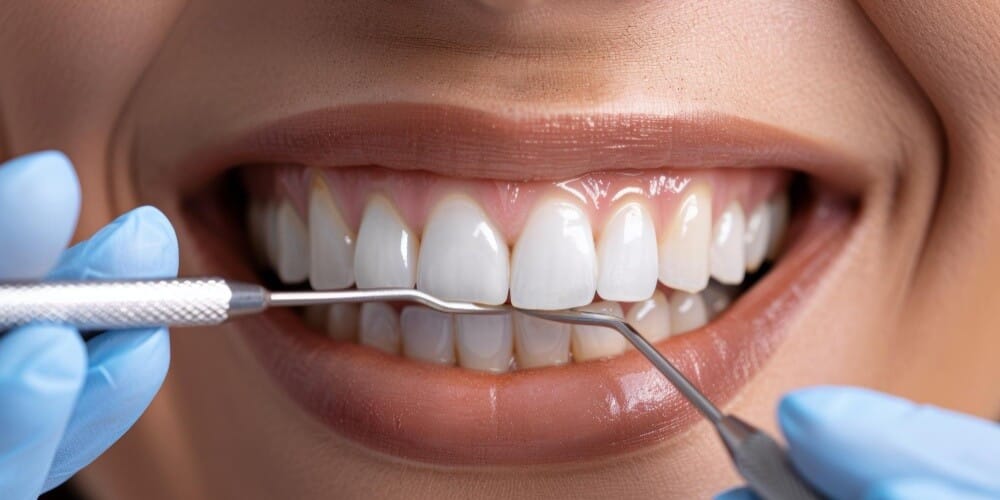
Composite bonding is a patient-centered procedure supported by requirements for accurate diagnosis, the application of suitable materials, and the conduct of each treatment phase according to appropriate guidelines and best practices. Failure to adhere to any of these elements can compromise patient expectations with respect to health, aesthetics, and longevity.
The patient’s situation, expectations, and motivation must be assessed through clinical examination and, where appropriate, radiologically, within the context of a differential diagnosis that includes non-restorative options. Shade, shape, and occlusion are agreed. Informed consent for the procedure, including the possibility of temporary trial restorations, is obtained. The procedure is then documented in the patient record. It is important that adequate tooth structure remains for bonding and that the limiting conditions in the tooth preparation serve to guide layering and good esthetics. Margin placement should be as far coronal as possible. External enamel, dentin, and internal enamel surfaces need to be properly conditioned, and adhesive bonding of the restoration to each of these layers should be performed. The choice of composite resin depends on the substrate to which it will be bonded and the desired optical behavior of the resulting color. Both light- and heat-cured materials enable the creation of incisal-like translucence. Secondary light curing through thin sections, however, lengthens curing times.
Composite bonding treatment Turkey begins with an initial consultation aimed at establishing the patient’s goals and performing a thorough examination of the face, smile, teeth, and gingiva. Special attention is directed toward determining the status of the incisors, presence and condition of existing restorations, and pattern of wear.
Once all information has been collected, the risks and benefits of treatment are presented and informed consent obtained. At this stage, the supervising dentist also selects the color and shape of the composite to be used, and a reference model for the occlusion is created.
Standardization of tooth preparation for composite bonding is uncommon in the literature, yet adoption of a set of basic principles is essential to minimize treatment risk and optimize outcomes. Preparation should aim to preserve natural tooth structure while allowing optimal bonding conditions and simple contouring. At a minimum, bonding surfaces should be free of plaque, calculus, and biofilm. Consideration should be given to the choice of surface-decontaminating agent, which must not inadvertently inactivate the adhesive system. Any surface that receives a bonding agent must, depending on the agent in question, be dried and not contaminated by water or oil. As dental tissues are highly porous, substantial impregnating and saturating with water is essential for optimal adhesion to natural teeth and increases bonding to some composite resins. However, prolonged watery conditions may lead to an increase in post-operative sensitivity. The dental professionals should therefore try to dry the dentine surface but maintain a water condition in the dentinal tubules before the application of the adhesive.
A common approach for shade selection is to take the shade of the adjacent teeth directly prior to the application of the resin material and to remove the artificial lighting where possible. In cases where the shade is anticipated to differ from that of the adjacent teeth, separate shade selection should be made for affected teeth. In particular, warmer shades are often observed in the area of the canines. The VITA Classical shade guide is often appropriate for natural teeth. It is also the most commonly used guide for shade selection of composite resin materials. The A and B groups of the VITA Classical shade guide are the most similar to the average shades reported for dentine and enamel in available literature.
The dental bonding Turkey procedure includes several steps for the application of the material. These procedures are as follows and should be followed carefully to serve satisfactory results for the patients.
The adhesive system used should contain a suitable desensitizing agent. Two different types of resin composites are recommended to be layered. An opaque dentine colour should be applied covering the dentine surface and screeded to the level of the enamel surface, and then the enamel and incisal layering should be done with appropriate colours. Incisal layering should be done with a cut-back technique and the enamel colour placed to match the surrounding teeth. The layering thickness must not exceed 2 mm, and the light-curing time increased for thicknesses over 1 mm. The light-curing units should emit a wavelength range of 340 to 500 nm and have an output intensity of 300 mW/cm2 or greater. The recommended light-curing time is 20 s.
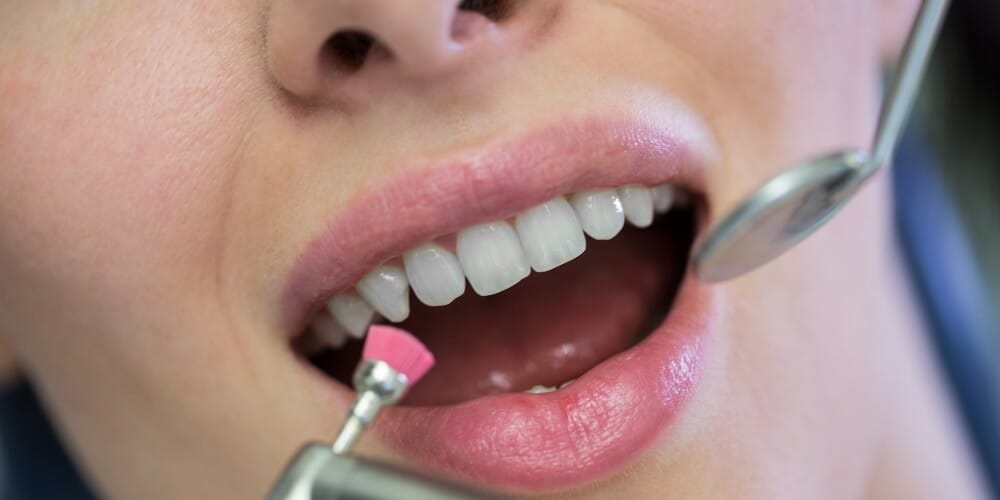
Finishing and polishing are critical steps that finalize the overall outcome of composite bonding treatment Turkey and contribute to its aesthetic longevity. Careful contouring of the resin surface enhances the health and maintenance of periodontal tissues, while using a polish system with diamond burs and paste attains a smooth surface finish.
Finishing should bring out the anatomical details of the tooth, while harmonious convexities and concavities should be produced to create natural-looking resin restorations that are also barely detectable on teeth. The polished surfaces should have a roughness of less than 0.2 μm in order to minimize biofilm accumulation, with the polishing time being longer in deeper areas of the restorations. Zaren practice recommends using medium-coarse diamond burs for contouring followed by a polish system with diamond paste applied with a rubber cup against a slow-speed handpiece. Final checks of the composite restorations should focus on restoring ovate papillae, detecting any over-polishing or over-contours that could alter dental arch symmetry or produce a discordant dental midline, and ensuring that the shade match is correctly perceived in relation to the adjacent gingiva and tooth.
Interdisciplinary studies affirm composite bonding’s potential to enhance both function and aesthetics. Improved colour matching, elevation of masticatory function, and occlusal symmetry have been statistically demonstrated, together with culture-normative preference for joined central incisors. Aesthetic advantages over orthodontic closure of diastemata, at half the cost, are underscored. Results surpass those of non-treatment and hold greater occlusal stability in the population at risk of compensatory movement.
Compared with full-coverage alternatives, Total Composite® bondings produce equivalent or superior outcomes with shorter chair time. Lower survival rate for restorations of older patients (≥50 years) may be linked to dietary factors and is thus non-inherent. Improved colour matching and occlusal symmetry with bonded compared to unbonded restorations are noted. Severe temporal lobe epilepsy, childhood cosmetic concerns, and probable connection to suicide further warrant investigation. Risks of enamel wear and marginal leakage are cited despite counter-indications in the body of work. Non-invasiveness and cost constitute bonding’s competitive advantages when front teeth bonding are involved.
Dental bonding Turkey enhances dentition function and material properties while improving aesthetic breathing and position. Masticatory function improves in 82% of patients. Estimated success rates reach 90% for color match, 92% for symmetry, and 96% for translucency; position is more difficult to assess. Color match and symmetry differ more significantly than translucency across raters. Natural teeth achieve better symmetry, but about half the patients still favour the bonded teeth in that respect.
Composite bonding is more conservative and less expensive than veneers and crowns, making it suitable for patients who seek a less invasive approach at a more economical composite bonding price in Turkey. It also enables the correction of anterior teeth positions, especially for minor tooth rotations or minor gaps; further corrections will normally require orthodontics. In such cases, composite bonding may remain an option for the post-orthodontic phase if the aesthetic results are not fully satisfactory and an additional treatment is desired. Such refinements should be carried out soon after debonding to minimise the risk of enamel staining, especially in patients with darker natural teeth.
Isolation of the treatment from patients’ other expressed goals while still fulfilling the goal of comprehensive care makes tooth bonding Turkey a less common intervention than some other esthetic treatments. While resin bonding composite veneers, crowns, or orthodontic tooth movement may provide better, longer-lasting, or even complete corrections for specific problems, composite bonding requires less time and is arguably less invasive and more cost-effective. Given the small amounts of tooth structure prepared, revision is possible if treatment fails or is less satisfactory than expected. Bonding when compared to veneers may also represent a conservative approach during periods of volatility in a patient’s overall dental plan. Periodic re-evaluation during long-term, multivalue oral health planning can prompt changes in therapy according to relative risk, costs, and esthetic priorities as they emerge.
Composite bonding remains an appropriate choice to solve specific clinical challenges, although the potential advantages of the procedure are not always fully utilized. Planned natural tooth color change should be just one of several key components considered in the treatment planning process to maximize the benefits of composite bonding and improve patient satisfaction.
Composite bonding is an elegantly simple process that enhances teeth and creates dazzling smiles. Yet patients rarely ask how much composite bonding costs because they do not see composite bonding as a distinct treatment; rather, they see it as a single step in a more complex process. For a patient considering bridging the gap between discolored teeth, for correcting symmetry or disproportion, or for covering small fractures, the advantages of composite bonding seem to outweigh the potential disadvantages. Since patients often accept such treatment without question, they are less aware of the composite bonding costs inherent in these steps and the investment required to maintain optimal aesthetics.
The total expense consists of the direct costs of materials and labor, a contingency to cover unforeseen challenges, and a margin. Zaren Health’s total cost for composite bonding is affected by the Turkish lira’s value, which fluctuates against the euro and pound. This impact is relatively modest compared with the savings compared to treatment in Western Europe or North America. Compared with alternatives such as crowns, veneers, or the placement of crowns, the cost of composite is rarely an obstacle to acceptance.
Initial costing depends on the number of teeth to be treated but generally includes composite bonding material, the dentist’s fee, and contingency charges to cover potential complications. Composite bonding costs in Turkey are significantly lower than in the US or the EU even when the price of travel and accommodation is taken into account. Careful planning guarantees a memorable holiday combined with a successful dental treatment at an overall lower cost.
The materials and labor involved in a treatment, along with the requested (or required) level of quality, determine costs. Poor-quality materials increase the risk of complications, while extremely cheap labor can compromise the procedures. In a dental clinic that consistently delivers a high level of quality, even standard labor costs are higher than the local average. Consequently, the cost of composite bonding treatments is still attractive compared with identical procedures in the US, Germany, the UK, Switzerland, or Belgium. Even for patients who apply the principle of “aesthetic value for costs,” the cost of coming to Turkey is considerably lower than having these procedures executed in their home countries.
Strategic Considerations for Investment. The financial outlay required for composite bonding depends largely on material costs and the duration of treatment. Composite bonding is a time-consuming procedure, and the cost of the dentist’s time is usually the single biggest expense. Although the cost of using composite is higher than that for other materials, these costs are balanced to a degree by the lower preparation requirements. Composite bonding is generally not covered by dental insurance, but the overall investment is often justified by the increased pleasure and satisfaction it brings — and the value of improved functionality.
When composite bonding is carried out by an experienced practitioner, the results are usually long-lasting. Stain penetration can, however, sometimes occur with composite restorations. Factors such as tobacco and beverage consumption can adversely impact color stability in the short term; good oral hygiene and avoidance of poor habits may therefore help maintain an attractive appearance. The cost of maintaining the long-term clinical behavior and color of these bonded restorations should be weighed against that of possible alternative treatment approaches, as they add to the potential of composite restorations being the “treatment of choice” where patients desire an aesthetic alternative that takes into consideration dental function, phonetics, and the preservation of sound dental structure.
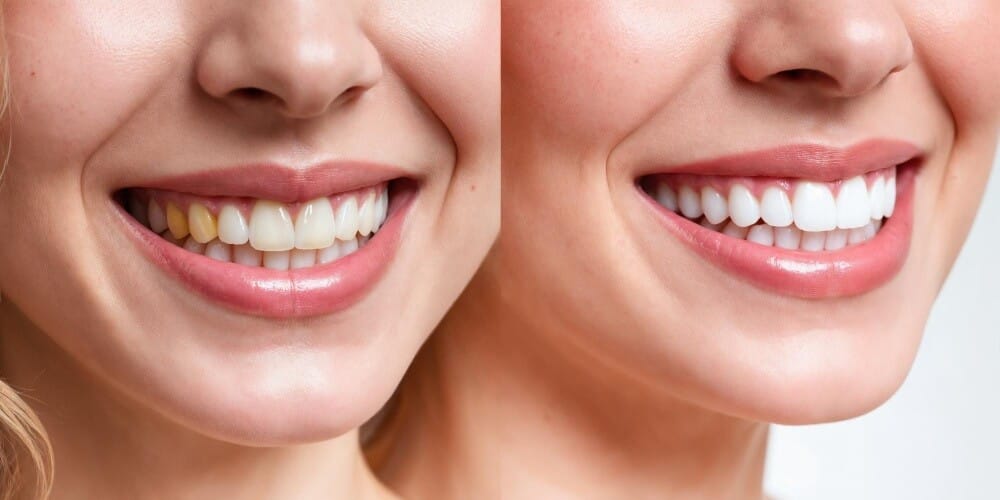
Composite bonding delivers striking visual improvements, including altered color, form, symmetry, and overall appearance. Masticatory abilities also tend to improve, especially in cases involving fractured teeth. Studies report good shade concordance between restored and adjacent teeth. Most patients find the composite layering technique esthetically superior to a single-layer approach; nevertheless, results may be more difficult to evaluate before-and-after because composite bonding cannot replicate the optical effects of enamel translucency.
Standard documentation involves taking pre-operative photographs with neutral expression, lips closed, and teeth on display; an arctic white background; and mouth open for occlusion-centering shots. Baseline appearance, edges of the preparations, and the restoring materials must be clearly visible. One- or three-year follow-up pictures help evaluate treatment stability. In cases of longer restoration time/resorption, the thickness of the restoration relative to the enamel surface of the adjacent teeth should be compared. Patients’ opinions, photographs showing the corrected aesthetic problem, and clinical evaluation of the restoration/adjacent teeth also serve as criteria for success.
Composite bonding achieves highly satisfactory results, with most patients reporting improvements in color matching, color stability, symmetry, and overall appearance. Typical esthetic changes include a lighter color, improved symmetry and contour, and reduced staining. Nevertheless, the degree of color enhancement correlates with baseline shade; considerable improvement is often impossible in darker teeth.
Clinical outcomes can be reliably assessed through high-quality standardized photographs taken before, during, and after treatment, following established protocols for positioning, lighting, and equipment settings. Composite bonding can also be judged by compliance with objective benchmarks derived from robust data analysis, such as the presence or absence of specific undesirable features (e.g., marginal discoloration). Efficacy, moreover, can be appraised using a composite index based on the incorporation of various parameters grouped into four categories: color match, functional and phonetic harmony, asymmetries, and contour deviations.
Composite bonding in Turkey is commonly performed in dentists’ surgeries, with the published evidence base evaluating procedures undertaken in clinics that do not specifically specialize in composite bonding. Furthermore, no studies indexed on PubMed have performed outcome analysis beyond 18 months, despite previous reports exploring five-year outcomes of bonding combined with bleaching or mandating regular checks.
Just of a growing volume of evidence relates specifically to the use of composite bonding to correct or improve a patient’s smile, with a focus on matching smile correction parameters with patient preference. Expected changes are grouped into symmetrical aspect of the maxillary anterior teeth, its harmony with the lower lip and its correspondence with the smile index. Common clinical parameters include natural tooth color, with respect to the cervical, middle and incisal thirds area of upper central incisors and relation with lower incisors. Clinical variables also include the presence of inter-incisal diastema and/or lack of vertical relationship between the upper lip and the incisal edges of the upper central incisors.
Appropriate aftercare for composite bonding maximizes longevity. Non-invasive cleaning methods that avoid excessive abrasion should be employed to mitigate extrinsic staining. At-risk patients may benefit from sodium fluoride applications to reduce dentin sensitivity. Dental follow-up is recommended within 6–12 months of treatment, with an annual review thereafter.
Composite bonding is highly resistant to loss of retention. If debonding occurs, it can be salvaged using any suitable re-bonding protocol. Staining and changes in color of the restoration can usually be removed by polishing. Progressive margin wear may happen in patients with occlusal interferences. To minimize this risk, an occlusal contact check is advisable after treatment, along with appropriate adjustments.
Due to the minimally invasive preparation protocol, composite bonding can be considered a conservative option for patients requiring an aesthetic improvement in their smile. Nevertheless, appropriate patient selection, meticulous treatment, and a thorough aftercare regimen are essential factors to guarantee satisfactory long-term results.
Proper aftercare is important to maintain bonded surfaces and extend longevity. Brushing should be performed with a fluoridated toothpaste at least twice a day; toothbrushes with matrices composed of neutral abrasives, which result in a more favourable worn surface roughness, appear to benefit the longevity of bonded restorations. Flossing is equally important, especially at proximal sites, to ensure long-term success of the restorations. In patients experiencing hot-cold sensitivity, topical application of desensitizers containing potassium nitrate and/or calcium phosphates has been recommended. Finally, regular visits should be scheduled with the dentist for professional hygiene every 6 to 12 months.
Several issues have been reported in the literature, including marginal discoloration, wear of the composite, and loss of tooth substance that can be attributed to temporary restorations. Some of these issues must be anticipated over the years and may be corrected during a routine visit. The risk of debonding remains, mainly at the gingival location, and when detected should be repaired as soon as possible to limit staining and secondary caries. Staining of the white areas is frequent due to the high porosity and low lamination of these zones. An appropriate technique is typically able to minimise such drawbacks but special care and regular polishing with a suitable kit are necessary for maintaining the bright shade.
Debonding, staining, excess marginal wear, and failure of the layered structure are four common complications of composite bonding. These complications and their management are discussed next.
Debonding of the composite resin bonding replaces only small sections of enamel and dentin and is, therefore, a less invasive option. However, the adhesion between the tooth and the enamel is more resistant than that of the resin bonding material. Therefore, if the tooth is not sealed well with an adhesive system in the bonding process, it may result in debonding. This situation can usually be corrected in the dental practice by a conservative approach. The cause, location, and appearance of the lesions usually lead to determining whether such defects can be repaired. When the lesions occur in areas with high masticatory function, they are repaired with composite resin.
Staining is another main complication of composite bonding. Composite resin stains are due to the absorption of pigmented substances that reach the resin porous through the surface. Maintaining acceptable color stability requires an adequate polishing technique. Polishing or polishing the anatomical form and dental elegance are parts of the maintenance required after the treatment. It needs to be done carefully to avoid losing the polish and surface smoothness of the resins. When staining persists, mild abrasives can be used. If successful, it will prolong the service life of the structure and retain aesthetics for a longer time. In long-term thin layer restorations, the external layer can lose the polish and present roughness, which favors the retention of color biofilm and, therefore, the appearance of stains.
Another frequent type of complication is the wear of the labial surface of anterior teeth, which can lead to the failure of the layered structure. Thus, if the surface location is a decisive factor for the treatment success, the use of a low-wear resin is strongly recommended.
Zaren Health—a multidisciplinary health group operating throughout Turkey—provides evidence-based dental and medical procedures to international patients. Zaren’s dental affiliation, Zaren Dental, is an international dental clinic with a Turkish Ministry of Health-approved accreditation program. Evidence-based practice is ensured by adherence to clinical guidelines set forth in the scientific literature and by documenting outcomes for peer-reviewed publication.
Composite bonding procedures are supported by photographic documentation and monitoring of esthetic and functional outcomes using evidence-based criteria. Multiple languages are spoken, including English, German, Arabic, Russian, and Turkish. Care coordinators provide detailed information during the initial consultation, including explanations of the procedure and the potential risks and benefits. Those who decide to proceed with care and course of treatment typically receive treatment within three days.
Evidence-Based Practices and Accreditation: Zaren Health composite bonding procedures align with the principles of evidence-based dentistry and fulfil many of the known, condition-correlated features of favourable clinical outcomes in composite bonding. A comprehensive analysis of the HCAHPS database underscores these factors across the full continuum of patient experience and satisfaction. Zaren Health is accredited by the JCI (Joint Commission International).
Patient experience and satisfaction drives the quality improvement of care services at Zaren Health Group. The validated HCAHPS methodology collects patient feedback and scores across seven domains. The survey data are analysed against the known determinants of satisfaction and quality to identify strengths and weaknesses for added attention internationally. The Zaren Health Group is easily accessible from anywhere in the world and offers a wide range of medical services through the latest medical technology and first-class facilities, with experienced doctors, nurses, and staff who speak multiple languages.
Patients opting for composite bonding with Zaren Health benefit from a customer service-oriented approach that minimizes the burden of travel and treatment. An initial consultation, examination, and quote are arranged via an online portal. Zaren Health then organizes the appointment with a partnered dental facility in Turkey, coordinating appointment and travel details. Multilingual coordinators assist throughout the journey, providing local information, escorting patients to appointments, and fielding queries.
Reassurance extends to the clinical care experience. The Turkish dental facilities are globally accredited and fulfill the management system requirements of the internationally recognized ISO 9001 Quality Management System Standard, reflecting Zaren Health’s foundational commitment to patient safety and satisfaction. Information concerning diagnosis, procedures, and aftercare is collected and recorded using a structured, evidence-based care pathway that standardizes quality across different dental professionals, clinic locations, and implant treatment cases. The results of composite bonding cases are monitored retrospectively, captured in an anonymized clinical database, and subjected to independent review and analysis.
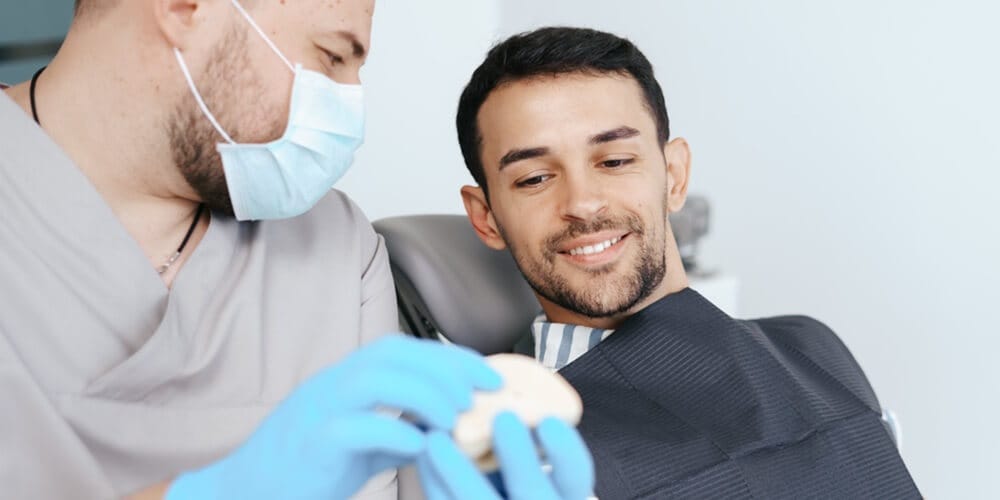
Composite bonding procedures are performed in Turkey for about one-quarter of the cost of similar treatment in the United Kingdom, with satisfactory outcomes. is expending resources to investigate the practice and related factors. The following frequently asked questions summarize this evidence.
Composite bonding procedure costs typically cluster around a charged ticket price that reflects basic material, labor, contingent, and regional variations. In Turkey, the cost of composite bonding starts at about 250 € and rarely exceeds 500 € per unit. The standard charge constitutes only a fraction of the price charged for alternatives, such as porcelain veneers or composite veneer facades. These high-value-enhancement and reconstructions are, in part, discounted by insurance providers, returning 25–50% of the treatment cost to the individual. Despite the general absence of dedicated allocations for dental treatments, the perceptible returns further extend the options of functional-aesthetic restorations presented by less-invasive methods.
In aesthetic bonding, the quality of the result is gauged by achieving complimentary improvements for different areas of aesthetic perception: unlike previous studies—which primarily assessed colour match, shape, alignment, symmetry, or thickness—, it is now essential for these areas to converge towards their optimum in order to ensure a pleasing composite-bonded restoration. The success of the restoration in its full integration with the surrounding environment must be evaluated considering smile correction and facial zone simultaneity.
Overall longevity is highly variable, limited by both materials and patient-specific conditions. The bonding material normally remains in good form for at least five years, although long-term clinical studies offer less compelling evidence of durability after several more years. Patient compliance with routine check-ups and desensitization therapy for hypersensitivity can enhance longevity. Furthermore, regular home care with low abrasivity products, gentle brushing motion, and judicious use of mouthwash with specific ingredients contribute to stain control. Composite bonding can stain but, if ideal aftercare is followed, generally appears less stained than natural dentition.
Maintaining the integrity of porcelain restorations poses a challenge for adhesive dentistry, particularly in managing microleakage and secondary caries. Composite bonding seeks to mitigate the need for large invasive preparations, instead using minimal tooth structure and allowing for easy replacement. Guidelines from the current literature help ensure a transparent, biological approach that meets patient needs and maximizes functional long-term value.
The bonding process does not damage the tooth itself and can be reversed at any time; however, it is advised not to use teeth treated in this way for prolonged chewing of hard foods, nor to overload them in bruxing habits. In the event of natural wear or a shock-related defect, new restorations of the same kind can always be placed. The evidence, albeit sparse, indicates that there are no damaging effects on the health of the treated teeth.
Composite bonding is considered a minimally invasive procedure that generally does not harm the natural teeth. In the majority of cases, careful tooth preparation is either unnecessary or conservatively performed on the facial surface only, creating only a minimal defect. When the procedure has been carried out with caution, the advantages and new life that patients enjoy far outweigh the minimal risk of damage to the natural tooth. However, it is important to understand some potential risks.
Debonding typically is not a clinical problem, although certain clinical situations may predispose to failure. The margins should be polished well to reduce plaque accumulation. In case of an unsightly stain, teeth can be suitably polished or even repaired. Mild-moderate wear of the restoration is relatively common but can usually be managed easily without the need for an invasive approach. Surface alteration of the light-transmitting character of the restoration also tends to occur and is usually acceptable; however, excessive alteration should be addressed with replacement. Recurrent caries after a longer period of time has been noted in some studies and requires a careful risk assessment, together with consideration of the location of the restoration and possible use of desensitizers during maintenance therapy.
Composite bonding can effectively close gaps and spaces between teeth (diastema). It is essential to determine the underlying cause of any spaces: for instance, if a gap exists because a natural tooth is too small, bondwork alone won’t solve the problem, as it would create a tooth bigger than the limit set by the other natural teeth. Any spaces remaining at the ends of the final result must also be treated—the bonding done in the middle will visually push the adjacent teeth apart if left unbonded.
Composite bonding enables the correction of gum levels for both teeth and the smile correction to help create a more harmonious appearance.
Composite bonding requires at most 2–3 days for the procedure itself. After initial consultation and treatment planning, the actual bonding work can typically be accomplished in a single session. However, a longer stay is recommended—ideally about one week. This allows time for pre-treatment preparations, such as whitening, as well as post-treatment refinements and final assessments. Issues such as adjustments to arch form and occlusion may also arise once the newly bonded teeth are in action.
A stay of just a few days may not afford sufficient time for contingency procedures, should these be necessary. Any travel or accommodation costs incurred in staying longer may quickly be offset by avoiding rushed decision making and the travel-related risk of complications.